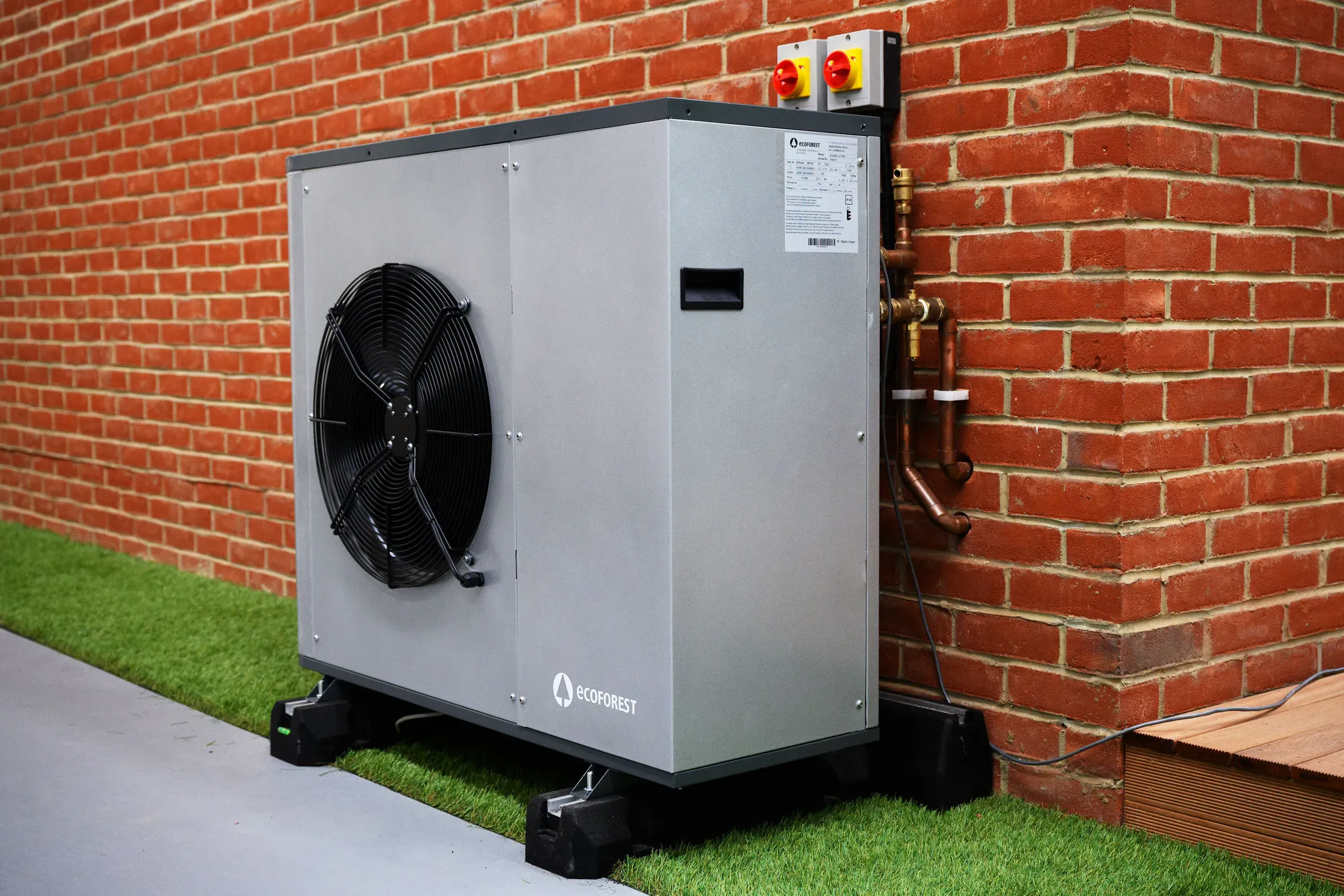
Heat pump technology is a method used to transfer heat from one place to another rather than generating heat directly. It exists because traditional heating and cooling systems often rely on combustion or high energy input, which can lead to inefficiencies and environmental challenges. Heat pumps use electricity and physical principles of thermodynamics to move heat from air, water, or ground sources into buildings or away from them, depending on seasonal needs.
This technology has been in use for decades, but its relevance has increased as energy efficiency and climate considerations become more important worldwide. Heat pumps are used in residential buildings, commercial spaces, and industrial environments where temperature regulation is required.
At a basic level, a heat pump captures heat from a lower-temperature source and releases it into a higher-temperature space. This process works even in cold climates because thermal energy exists in air and ground at low temperatures.
Importance
Heat pump technology matters today because it addresses several global challenges related to energy use, emissions, and building efficiency. Its importance can be understood through multiple perspectives.
Environmental impact and energy efficiency
Heat pumps are known for using less energy compared to systems that rely on direct heat generation. This efficiency helps reduce overall electricity demand and lowers greenhouse gas emissions when paired with cleaner power sources.
Relevance for households and infrastructure
Heat pumps affect homeowners, building managers, urban planners, and policymakers. They are increasingly considered in new construction projects and renovation planning because they provide both heating and cooling from a single system.
Problems heat pump technology helps solve include:
-
High energy consumption in traditional heating systems
-
Dependence on fossil fuels
-
Inconsistent indoor temperature control
-
Long-term sustainability challenges in urban housing
As countries aim to modernize infrastructure and improve building performance, heat pump technology plays a central role in meeting efficiency targets.
Recent Updates
Over the past year, heat pump technology has seen notable advancements and policy-driven momentum.
2024 efficiency improvements
In early 2024, manufacturers introduced next-generation compressors that improve performance in colder climates. These systems maintain stable output even when outdoor temperatures fall significantly.
2024 refrigerant transitions
Many regions accelerated the shift toward low-global-warming-potential refrigerants. New heat pump models released in mid-2024 comply with updated environmental standards aimed at reducing climate impact.
2025 smart system integration
By early 2025, smart controls and monitoring tools became more common. These allow users to track energy usage patterns and adjust performance automatically based on weather data and occupancy.
2025 focus on large-scale deployment
Governments and research institutions reported increased adoption of heat pump systems in multi-unit residential buildings and public infrastructure projects, especially in Europe and parts of Asia.
These updates reflect a broader transition toward electrification and energy-efficient building systems.
Laws or Policies
Heat pump technology is strongly influenced by national and regional regulations. These rules focus on safety, environmental protection, and long-term energy planning.
Energy efficiency standards
Many countries enforce minimum performance standards for heating and cooling systems. Heat pumps must meet specific efficiency ratings before being approved for use in buildings.
Environmental regulations
International agreements and regional laws encourage the reduction of high-emission heating technologies. This has increased support for electric-based systems such as heat pumps.
Building codes and planning rules
Updated building regulations in several countries now recognize heat pumps as a preferred option for low-energy buildings. Some local authorities require new developments to meet emissions benchmarks that heat pump systems can help achieve.
Public transition programs
In regions such as the European Union, government-led energy transition programs support research, education, and infrastructure planning related to heat pump deployment without promoting commercial activity.
These policies shape how heat pump technology is designed, tested, and implemented across markets.
Tools and Resources
A variety of educational and technical tools help people understand and apply heat pump technology effectively.
Energy performance calculators
Online calculators estimate heating and cooling demand based on building size, insulation level, and climate conditions. These tools are often used for planning and comparison.
Simulation and modeling software
Engineering software platforms simulate heat transfer, seasonal performance, and energy efficiency under different environmental conditions.
Educational platforms and learning portals
Universities, research institutions, and energy agencies publish guides, explainers, and training materials focused on heat pump fundamentals and system design.
Technical standards documentation
Organizations such as ISO and IEC provide publicly available documentation outlining testing methods, safety requirements, and performance benchmarks.
Data and research publications
Government energy departments and international energy agencies regularly publish reports analyzing heat pump adoption trends and technological progress.
FAQs
What is a heat pump in simple terms?
A heat pump is a system that moves heat from one place to another using electricity. It can warm indoor spaces in cold weather and cool them in warm weather.
Do heat pumps work in cold climates?
Yes. Modern heat pump systems are designed to operate effectively in cold conditions by extracting heat from outdoor air or ground sources.
How is a heat pump different from a traditional heater?
Traditional heaters generate heat by burning fuel or using resistance heating. Heat pumps transfer existing heat, which generally requires less energy.
Are heat pumps only used in homes?
No. Heat pumps are used in residential buildings, offices, hospitals, schools, and industrial facilities where temperature control is required.
What determines heat pump efficiency?
Efficiency depends on factors such as climate, insulation quality, system design, and correct installation. Performance is often measured using seasonal efficiency ratings.
Example Table: Types of Heat Pumps and Heat Sources
| Heat Pump Type | Primary Heat Source | Typical Application Area |
|---|---|---|
| Air-source | Outdoor air | Residential and urban buildings |
| Ground-source | Underground soil | Long-term energy-efficient buildings |
| Water-source | Lakes or groundwater | Specialized infrastructure projects |
Example Graph Description: Seasonal Performance Trend
A typical seasonal efficiency graph shows higher performance during mild weather and slightly reduced efficiency during extreme temperatures. Modern systems display flatter curves due to improved compressor and control technologies introduced after 2024.
Conclusion
Heat pump technology represents a practical and efficient approach to modern heating and cooling needs. By transferring heat rather than generating it, these systems address energy efficiency, environmental concerns, and long-term infrastructure challenges.
Recent developments in refrigerants, cold-climate performance, and smart integration highlight how the technology continues to evolve. At the same time, regulations and building standards increasingly recognize heat pumps as a key component of sustainable construction strategies.