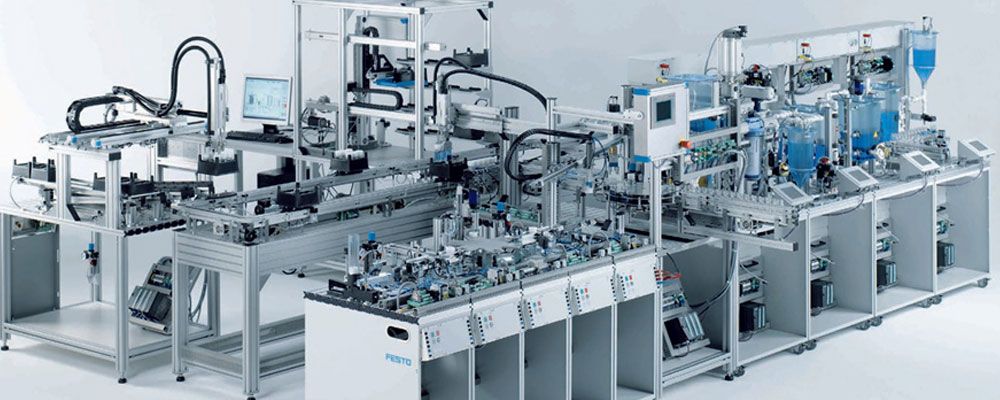
Industrial automation and control systems are the technologies, hardware, and software used to manage, monitor, and automate industrial processes. They include programmable logic controllers (PLCs), supervisory control and data acquisition (SCADA) systems, distributed control systems (DCS), human-machine interfaces (HMI), robotics, sensors, and industrial Internet of Things (IIoT) devices.
The primary purpose of industrial automation is to ensure operational efficiency, improve production quality, maintain safety, and reduce dependency on manual labor. In complex industries like manufacturing, energy, logistics, and infrastructure, automation allows organizations to handle tasks with precision and reliability while minimizing errors and operational risks.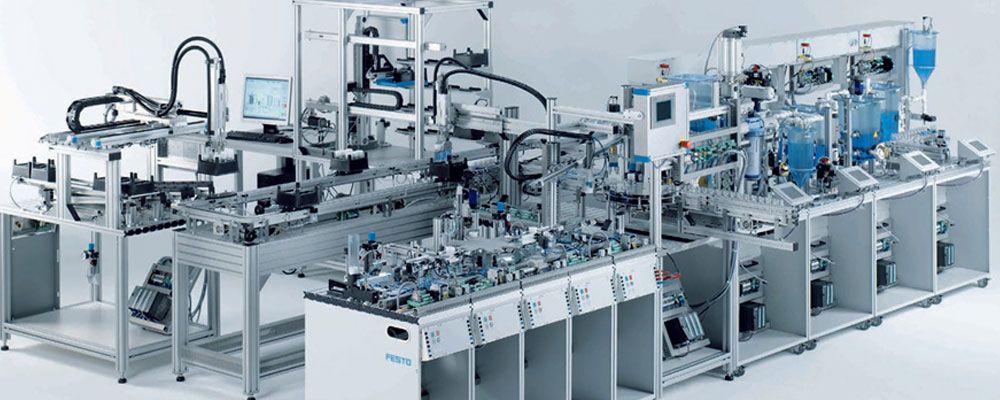
Automation also enables real-time monitoring, predictive maintenance, and data-driven decision-making, paving the way for smart factories and modern industrial operations.
Importance of Industrial Automation Today
The importance of automation and control systems has grown significantly due to several factors:
-
Operational Efficiency and Productivity: Automated systems reduce manual intervention, enhance workflow efficiency, and minimize downtime.
-
Consistency and Quality Control: Processes are standardized, ensuring consistent quality and reducing defects or wastage.
-
Safety and Risk Management: Automation handles hazardous, repetitive, or heavy-duty tasks, reducing workplace accidents.
-
Scalability and Flexibility: Systems can adapt to changing production demands without increasing labor costs.
-
Support for Smart Manufacturing: Automation integrated with AI and IIoT enables predictive maintenance, energy optimization, and resource management.
Industries ranging from automotive to pharmaceuticals benefit from these systems, along with engineers, plant managers, and supply chain professionals who rely on real-time process insights for decision-making.
Recent Trends and Updates (2024–2025)
The industrial automation market has seen significant growth globally and regionally:
-
Global Market Growth: The market is projected to grow steadily, driven by robotics, smart factory systems, AI-based controls, and IIoT integration.
-
Adoption of Industry 4.0: Companies are increasingly deploying AI, cloud analytics, and real-time monitoring, resulting in predictive maintenance and optimized operations.
-
Energy Efficiency and Sustainability: Automation systems now include energy monitoring and optimization features to reduce consumption and minimize environmental impact.
-
Collaborative Robots: Cobots are becoming more popular, allowing human operators to work alongside machines safely and efficiently.
-
Digital Twins and Simulation: Industrial processes are being simulated virtually to test, optimize, and predict outcomes before physical deployment.
Table: Key Market Drivers and Emerging Technologies
| Trend/Technology | Impact on Industry | Adoption Example |
|---|---|---|
| AI-based Control Systems | Optimizes operations and predicts failures | Smart manufacturing lines |
| IIoT Integration | Real-time monitoring and data analytics | Energy management and predictive maintenance |
| Collaborative Robots (Cobots) | Enhances human-machine collaboration | Assembly lines, small-scale industries |
| Digital Twin & Simulation | Reduces errors, improves planning | Process optimization and predictive testing |
| Energy Optimization Tools | Reduces consumption and environmental impact | Factories and power plants |
These trends reflect the shift toward digitalized, efficient, and intelligent industrial environments globally.
Policies and Regulations Influencing Automation
Industrial automation adoption is influenced by government policies, standards, and regulations:
-
Industrial Development Initiatives: Programs encouraging local manufacturing growth indirectly promote automation adoption to improve competitiveness.
-
Quality and Compliance Standards: Industries must follow global and national standards, driving automation to ensure consistent production and traceability.
-
Sustainability and Environmental Regulations: Automation helps monitor and reduce energy, water, and waste consumption to meet regulatory requirements and ESG goals.
-
Investment Incentives: Supportive policies and incentives for technology adoption encourage companies to implement modern control systems.
Such policies create a favorable environment for automation, particularly in manufacturing, infrastructure, and energy sectors.
Tools and Resources for Industrial Automation
Various tools, software, and resources support design, implementation, and monitoring of automation systems:
-
SCADA and HMI Platforms: Monitor and control processes, collect data, and display real-time metrics.
-
PLC and DCS Software: Core control system platforms for industrial automation.
-
IIoT Analytics Tools: Integrate sensors and cloud systems to enable predictive maintenance and operational optimization.
-
Digital Twin Simulators: Virtual replicas of physical systems for testing and optimization.
-
Design and Documentation Templates: Standardized wiring diagrams, safety interlocks, and control logic documentation.
-
Training Programs: Courses in PLC programming, robotics, IIoT, and industrial analytics for skill development.
These tools and resources are essential for engineers, plant managers, and technical teams aiming to deploy efficient, safe, and scalable automation solutions.
Frequently Asked Questions
What is the difference between PLC, SCADA, and DCS?
-
PLC is a programmable logic controller for process automation.
-
SCADA is a supervisory system that monitors and controls processes in real-time.
-
DCS is a distributed control system that manages complex, interconnected industrial operations.
Which industries benefit most from automation?
-
Automotive, pharmaceuticals, electronics, textiles, energy, infrastructure, and logistics sectors.
What is the role of IIoT in industrial automation?
-
IIoT connects sensors, machines, and analytics platforms to provide real-time insights, predictive maintenance, and improved efficiency.
How does automation improve safety?
-
Automation reduces human exposure to hazardous tasks and environments, while monitoring processes for errors and malfunctions.
Can small and medium enterprises (SMEs) adopt automation?
-
Yes. Modular systems, collaborative robots, and cloud-based tools make automation accessible to SMEs without large upfront investments.
Conclusion
Industrial automation and control systems are transforming how industries operate, offering efficiency, safety, scalability, and quality improvements. With the integration of AI, IIoT, robotics, and digital twins, industries are moving toward intelligent, predictive, and sustainable manufacturing. Government policies, compliance standards, and technological innovations continue to drive adoption worldwide, making automation a critical factor for industrial competitiveness today and in the future.
By understanding trends, tools, and best practices, businesses can plan and implement effective automation strategies that ensure operational efficiency, reduce risk, and position them for growth in an increasingly competitive market.