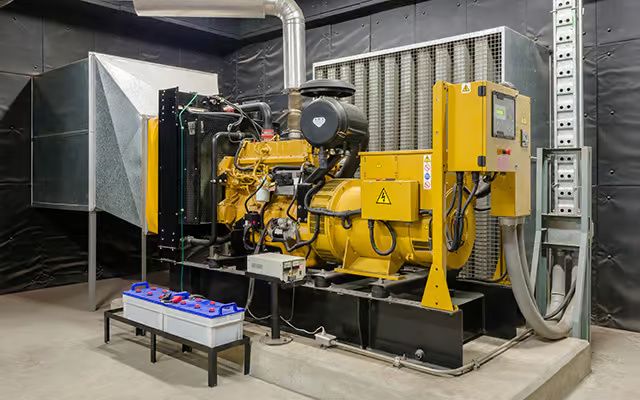
Industrial generators are machines designed to produce electricity for large-scale use. They are commonly used in factories, construction sites, hospitals, and data centers where a steady power supply is necessary. These systems convert mechanical energy into electrical energy through a defined generator working principle involving electromagnetic induction.
The need for industrial generators arises from the limitations of grid electricity. Power outages, unstable voltage, and remote locations often require alternative electricity generation equipment. As industries expand and rely more on continuous operations, the importance of reliable power systems becomes more evident.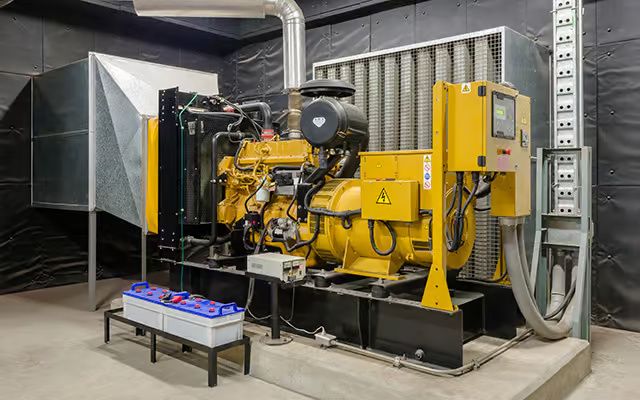
Understanding generator functions helps clarify how these machines support daily operations. From maintaining production lines to ensuring safety systems remain active, industrial generators play a foundational role in modern infrastructure.
Importance
Industrial generators are critical for maintaining continuity in environments where power interruptions can cause serious disruptions. Many industries depend on backup power systems to avoid downtime, protect sensitive equipment, and ensure safety.
Key Roles in Daily Operations
Industrial generators address several practical challenges:
- Power continuity: Backup power systems ensure operations continue during outages.
- Remote operations: Portable generators and diesel generators provide electricity in areas without grid access.
- Equipment protection: Stable voltage prevents damage to machines.
- Safety systems: Emergency lighting and alarms depend on uninterrupted power.
Who Depends on Industrial Generators
Various sectors rely on industrial power supply systems:
- Healthcare facilities for life-support equipment
- Manufacturing plants for continuous production
- Construction sites for tools and machinery
- Data centers for server uptime
Without reliable electricity generation equipment, these sectors would face operational risks and potential losses.
Recent Updates
The field of industrial generators has evolved with advancements in technology and environmental awareness. Recent trends reflect a shift toward efficiency, automation, and sustainability.
Technological Developments
Modern industrial generators now include:
- Smart monitoring systems: Sensors track performance and detect faults
- Automation features: Automatic startup during outages
- Remote control capabilities: Operators can manage systems from a distance
Shift Toward Cleaner Energy
There is increasing interest in reducing emissions from diesel generators. Hybrid systems that combine traditional generators with renewable energy sources are becoming more common. These systems improve fuel efficiency and reduce environmental impact.
Compact and Portable Designs
Portable generators are now more efficient and easier to transport. This trend supports industries that require flexible power solutions, such as construction and event management.
Laws or Policies
Industrial generators are regulated by various policies to ensure safety, environmental protection, and efficient energy use. These regulations vary by country but generally follow similar principles.
Environmental Regulations
Governments often set limits on emissions from diesel generators. These rules aim to reduce air pollution and encourage cleaner energy alternatives. Operators may need to use specific fuels or install emission control systems.
Safety Standards
Industrial power systems must comply with safety guidelines, including:
- Proper installation and grounding
- Regular maintenance checks
- Noise level control
These standards help prevent accidents and ensure safe operation in industrial environments.
Energy Efficiency Programs
Some regions promote efficient electricity generation equipment through guidelines and incentives. These programs encourage the adoption of modern generator technologies that consume less fuel and produce fewer emissions.
Tools and Resources
Understanding and managing industrial generators becomes easier with the help of digital tools and structured resources.
Common Tools Used
- Load calculators: Estimate the power requirements of equipment
- Fuel consumption calculators: Predict fuel usage for diesel generators
- Maintenance scheduling software: Track service intervals and inspections
- Monitoring platforms: Provide real-time data on generator performance
Educational Resources
- Technical manuals explaining generator functions
- Online courses on power systems and electricity generation
- Industry reports on trends in industrial power supply
Example Data Table
Below is a simplified comparison of common types of generators:
| Generator Type | Fuel Type | Typical Use Case | Mobility | Noise Level |
|---|---|---|---|---|
| Diesel Generators | Diesel | Industrial backup systems | Fixed | Moderate |
| Portable Generators | Petrol/Diesel | Construction, outdoor use | High | Higher |
| Standby Generators | Gas/Diesel | Emergency backup power | Fixed | Low |
| Hybrid Generators | Mixed | Energy-efficient systems | Variable | Low |
This table helps illustrate how different types of generators serve different operational needs.
FAQs
What are industrial generators and how do they work?
Industrial generators are machines that produce electricity for large-scale applications. They operate based on the generator working principle of converting mechanical energy into electrical energy using electromagnetic induction.
What are the main types of generators used in industries?
Common types of generators include diesel generators, portable generators, standby generators, and hybrid systems. Each type serves different purposes depending on mobility, fuel type, and power requirements.
Why are backup power systems important in industries?
Backup power systems ensure that operations continue during power outages. They help prevent data loss, equipment damage, and safety risks in critical environments.
How do industrial generators support power systems?
Industrial generators act as an alternative or supplementary source within power systems. They provide electricity when the main grid fails or when additional power is required.
What factors affect generator functions and performance?
Generator functions depend on factors such as fuel type, load capacity, maintenance, and operating conditions. Proper management ensures efficient and reliable performance.
Conclusion
Industrial generators are essential components of modern power systems, providing reliable electricity in various settings. They support industries by ensuring continuity, safety, and operational stability. Advances in technology and environmental awareness continue to shape the development of these systems. Understanding their functions, types, and applications helps clarify their role in everyday infrastructure.