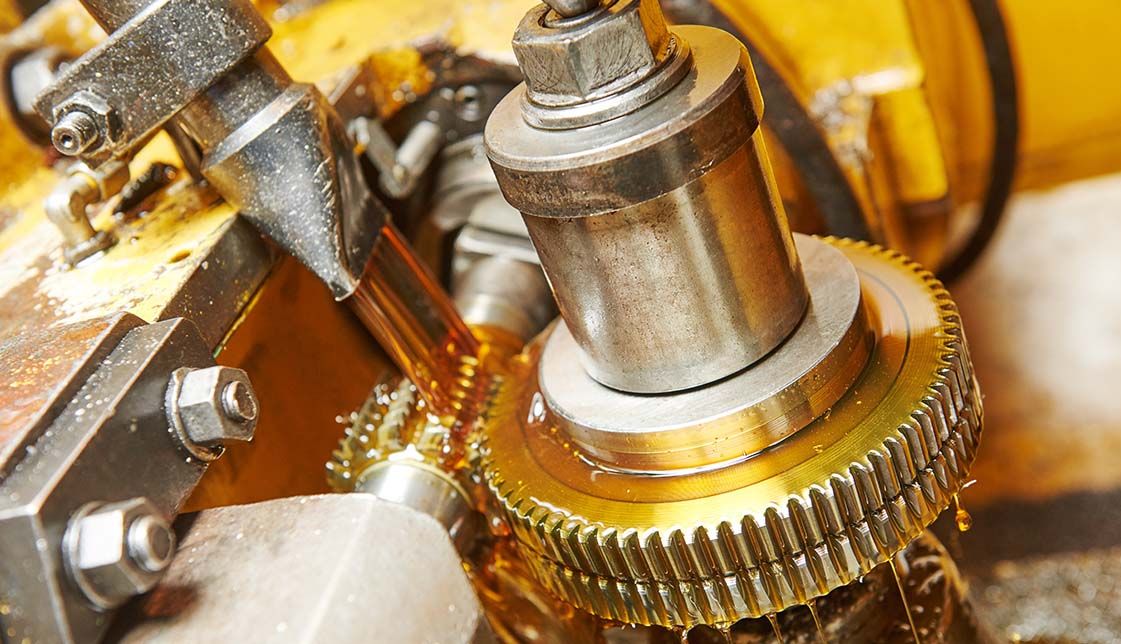
Industrial lubricants are specially formulated substances used to reduce friction, control wear, manage heat, and protect machinery components during operation. They play a fundamental role in ensuring that industrial equipment runs smoothly, efficiently, and reliably under varying loads and environmental conditions.
From heavy manufacturing plants to power generation units, industrial lubricants exist because moving mechanical parts inevitably create friction. Without lubrication, friction leads to overheating, excessive wear, corrosion, and premature equipment failure. Industrial lubricants act as a protective layer between surfaces, enabling motion while preserving component integrity.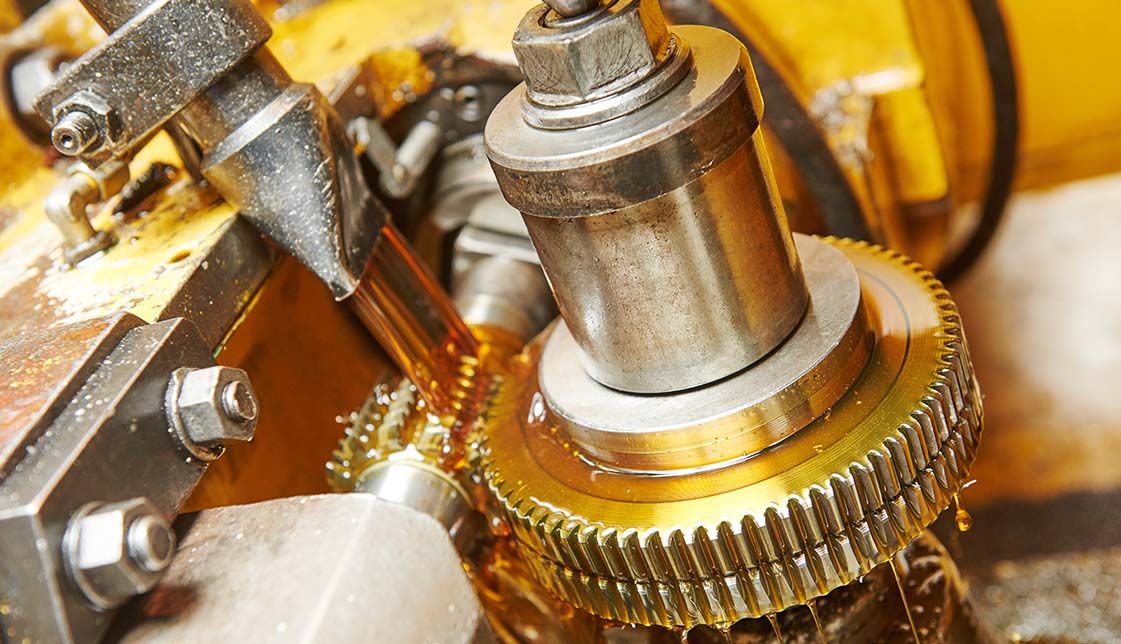
Over time, lubricants have evolved from simple mineral oils to advanced formulations that include synthetic bases, performance additives, and application-specific designs. This evolution reflects the growing complexity of industrial machinery and the need for predictable, long-term operational performance.
Why Industrial Lubricants Matter Today
In modern industrial environments, machinery is expected to operate continuously, often under high stress, pressure, and temperature. Industrial lubricants directly influence productivity, equipment lifespan, and operational stability.
This topic matters today because industrial sectors increasingly depend on automation, precision equipment, and uninterrupted processes. Lubricants affect a wide range of stakeholders, including plant operators, maintenance teams, engineers, energy producers, and infrastructure managers.
Industrial lubricants help solve several critical challenges:
-
Reduction of friction and mechanical wear
-
Control of operating temperatures in high-load systems
-
Protection against corrosion, oxidation, and contamination
-
Improvement of energy efficiency by minimizing resistance
-
Support for consistent machine performance over time
-
Extension of maintenance intervals through stable lubrication
Without proper lubrication, machinery downtime increases, efficiency drops, and safety risks rise. As industries aim for higher reliability and sustainability, understanding lubrication performance becomes increasingly important.
Types of Industrial Lubricants and Their Functions
Industrial lubricants are classified based on formulation, application, and operating conditions. Each type is designed to address specific mechanical and environmental requirements.
Common categories of industrial lubricants include:
-
Industrial oils used in hydraulics, compressors, turbines, and gear systems
-
Greases designed for bearings, joints, and components where oil retention is required
-
Synthetic lubricants formulated for extreme temperatures or long operating cycles
-
Metalworking fluids used during machining, cutting, and forming processes
-
Specialty lubricants developed for food-grade, marine, or high-vacuum environments
Each category balances viscosity, thermal stability, load-carrying capacity, and additive chemistry to match the demands of specific equipment.
Table: Comparison of Common Industrial Lubricant Types
| Lubricant Type | Typical Application | Key Performance Focus |
|---|---|---|
| Hydraulic Oil | Hydraulic systems | Pressure stability and responsiveness |
| Gear Oil | Gearboxes and drives | Load handling and wear protection |
| Grease | Bearings and joints | Long-term lubrication and sealing |
| Turbine Oil | Power generation | Oxidation resistance and heat control |
| Synthetic Oil | High-stress systems | Temperature stability and longevity |
Recent Updates and Industry Trends
The industrial lubricant landscape has seen notable changes over the past year, driven by efficiency goals, environmental considerations, and digital monitoring advancements.
Recent developments include:
-
Increased adoption of synthetic and semi-synthetic lubricants for extended drain intervals
-
Greater focus on energy-efficient formulations that reduce frictional losses
-
Growth in biodegradable and environmentally considerate lubricant options
-
Integration of lubricant condition monitoring using sensors and data analytics
-
Expansion of application-specific formulations for robotics and precision manufacturing
In 2024 and early 2025, many industries emphasized lubricant performance testing and predictive maintenance integration. Lubrication is increasingly viewed not just as a consumable, but as a strategic element of asset management.
Laws, Policies, and Regulatory Considerations
Industrial lubricants are influenced by national and international regulations related to safety, environmental protection, and workplace standards. While specific rules vary by country, common regulatory areas include:
-
Chemical handling and labeling requirements
-
Environmental guidelines for disposal and spill management
-
Workplace safety regulations for exposure and storage
-
Standards governing food-grade and pharmaceutical lubricants
-
Compliance with industrial equipment and machinery standards
Government agencies and standards organizations provide frameworks to ensure lubricants are used responsibly, minimizing environmental impact and protecting worker health. These policies encourage proper documentation, safe handling practices, and responsible lifecycle management of lubrication products.
Tools, Resources, and Practical References
A variety of tools and resources support effective lubricant selection, monitoring, and knowledge building across industries.
Helpful resources include:
-
Lubricant selection charts based on viscosity and application
-
Machinery manuals specifying lubrication requirements
-
Oil analysis and condition monitoring guides
-
Maintenance scheduling templates for lubrication intervals
-
Technical standards published by industrial organizations
-
Digital dashboards tracking lubricant condition and performance
-
Training materials focused on lubrication best practices
These resources help organizations align lubricant choice with equipment design, operating conditions, and maintenance strategies.
Performance Insights and Practical Knowledge
Understanding lubricant performance involves more than selecting the right type. Performance is influenced by how lubricants are applied, monitored, and maintained throughout their lifecycle.
Key performance insights include:
-
Viscosity stability is critical for consistent lubrication under temperature variation
-
Additive systems play a major role in wear protection and oxidation control
-
Contamination control significantly affects lubricant effectiveness
-
Regular condition monitoring helps identify degradation early
-
Compatibility between lubricant types must be carefully managed
Effective lubrication programs rely on data, observation, and continuous improvement rather than reactive responses to equipment issues.
FAQs
What are industrial lubricants used for?
Industrial lubricants reduce friction, manage heat, protect against wear, and ensure smooth operation of machinery in industrial environments.
How are industrial lubricants different from automotive lubricants?
Industrial lubricants are designed for continuous operation, higher loads, and specialized equipment, whereas automotive lubricants focus on vehicle engines and drivetrains.
Why is viscosity important in industrial lubrication?
Viscosity determines the lubricant’s ability to form a protective film. Incorrect viscosity can lead to increased wear or energy loss.
What happens if the wrong lubricant is used?
Using an unsuitable lubricant can cause overheating, accelerated wear, seal damage, or reduced equipment efficiency.
How does lubricant monitoring improve reliability?
Monitoring helps detect contamination, oxidation, or viscosity changes early, allowing timely corrective action before equipment damage occurs.
Conclusion
Industrial lubricants are a foundational element of modern industry, quietly supporting machinery performance, efficiency, and reliability. Their role extends beyond friction reduction to include heat management, corrosion protection, and operational stability.
As industrial systems become more advanced and interconnected, lubrication practices continue to evolve. Recent trends highlight a shift toward performance-focused formulations, condition monitoring, and environmentally responsible solutions. Understanding lubricant basics, types, and performance insights enables informed decision-making across industrial operations.
By recognizing lubrication as a strategic component of equipment management, industries can enhance reliability, reduce mechanical stress, and support long-term operational continuity in an increasingly demanding industrial landscape.