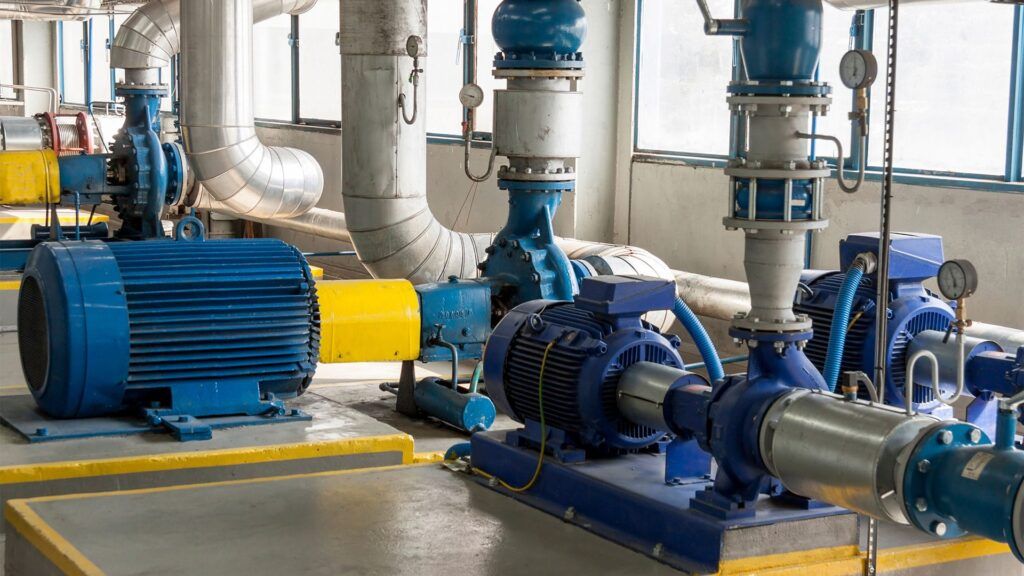
Industrial pumps and compressors are mechanical devices used to move or pressurize fluids (liquids or gases) for storage, transport, treatment, or industrial use. Pumps handle liquids like water, oil, chemicals, or sludge by creating flow, while compressors handle gases, increasing their pressure for storage, transport, or industrial applications.
These devices exist because many industries require efficient fluid or gas transfer. From municipal water supply, wastewater treatment, and irrigation, to chemical processing, HVAC, oil and gas operations, and manufacturing, pumps and compressors are essential for operational continuity and efficiency.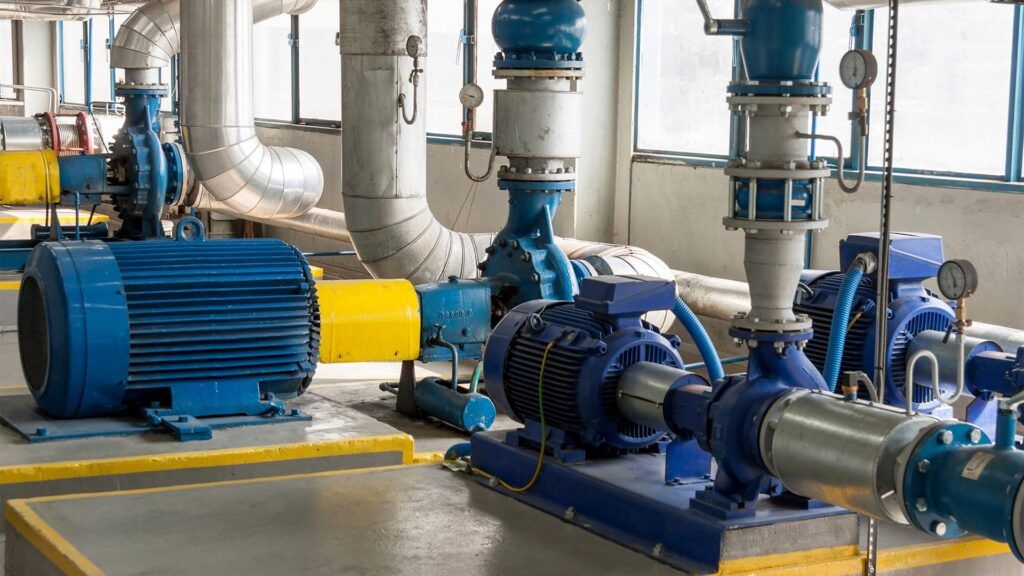
Industrial pumps and compressors range from simple centrifugal pumps for water movement to high-pressure compressors for industrial gases. Their design and function are tailored to specific operational needs, ensuring reliability and efficiency.
Importance – Why This Topic Matters Today
Industrial pumps and compressors are critical for sectors such as water management, manufacturing, energy, agriculture, and infrastructure. Their importance is reflected in the following aspects:
-
Infrastructure and urban development: Growing cities require reliable water supply, sewage treatment, and HVAC systems, all dependent on pumps and compressors.
-
Industrial operations: Factories, chemical plants, power plants, and food-processing units depend on fluid and gas transfer for production, cooling, and cleaning processes.
-
Resource conservation: Efficient pumps help reduce energy use and conserve water or chemicals.
-
Energy efficiency: Smart, energy-efficient designs lower electricity consumption and reduce environmental impact.
-
Operational reliability and safety: Properly functioning pumps prevent downtime, leaks, and hazards in industrial processes.
Knowledge about industrial pumps and compressors is essential for engineers, facility managers, environmental planners, and industries that rely on fluid or gas transfer.
Recent Updates – Industry Trends
Recent trends show a strong evolution in industrial pumps and compressors:
-
Market growth: The global industrial pumps market continues to grow steadily, driven by urbanization, infrastructure projects, and industrial expansion.
-
Smart technology adoption: IoT integration, real-time monitoring, predictive maintenance, and automation are increasingly used for operational efficiency and reliability.
-
Energy-efficient designs: Variable frequency drives (VFDs), optimized hydraulics, and advanced motor technologies are reducing energy consumption.
-
New applications: Pumps and compressors are used in renewable energy, electric vehicle cooling systems, mining, and chemical industries, reflecting diversification in applications.
These trends demonstrate a shift from traditional mechanical systems to digitally-enabled, energy-efficient, and connected industrial solutions.
Laws or Policies – Regulation and Compliance
Regulations ensure safety, efficiency, and quality in pumps and compressors:
-
Mandatory certification: Many countries require pumps and compressors to meet national safety and performance standards. Certification ensures that units are reliable, safe, and compliant with quality regulations.
-
Energy efficiency standards: Industrial compressors and pumps often need to meet energy consumption and efficiency requirements, reducing environmental impact.
-
Sector-specific regulations: For example, HVAC and refrigeration compressors are subject to safety and efficiency standards to protect users and support sustainability goals.
Compliance with these regulations is crucial to avoid operational risks, safety hazards, and legal penalties.
Tools and Resources – Helpful Resources for Industrial Pumps and Compressors
-
Technical manuals and guides: Manufacturers often provide manuals covering installation, operation, and maintenance.
-
Monitoring platforms: IoT-based solutions allow remote monitoring, fault detection, and predictive maintenance.
-
Compliance checklists: Standardized templates for certifications and inspections ensure adherence to safety and performance requirements.
-
Industry reports: Market reports provide insights on trends, technology adoption, and sector-specific applications.
-
Simulation and calculation tools: Software for pump sizing, flow calculation, and energy consumption estimation helps optimize operations.
Comparison Table – Common Pump Types and Applications
| Pump/Compressor Type | Typical Use Cases | Common Applications |
|---|---|---|
| Centrifugal pump | High flow, moderate pressure | Water supply, wastewater treatment, irrigation |
| Submersible pump | Fluid lifting from wells/tanks | Groundwater pumping, sewage, drainage |
| Positive-displacement pump | High pressure, consistent flow | Chemical dosing, oil transfer, food processing |
| Reciprocating compressor | High-pressure gas compression | Industrial gases, pneumatic tools, refrigeration |
| Rotary screw compressor | Continuous operation | HVAC, refrigeration, industrial gas supply |
| Centrifugal compressor | High-volume gas handling | Petrochemical, gas pipelines, industrial ventilation |
FAQs – Frequently Asked Questions
What is the difference between a pump and a compressor?
A pump moves liquids by generating flow, while a compressor increases the pressure of gases for storage, transport, or use.
Why are energy-efficient pumps important?
Energy-efficient pumps reduce electricity consumption, lower operating costs, and decrease environmental impact.
Can old pumps be upgraded?
Yes. Older systems can be retrofitted with variable frequency drives, sensors, and IoT modules for improved efficiency and predictive maintenance.
How often should pumps and compressors be maintained?
Maintenance depends on usage, fluid/gas type, and operating conditions. Regular inspections, sensor monitoring, and predictive maintenance are recommended.
What risks exist if pumps are non-compliant with regulations?
Non-compliance can result in legal penalties, unsafe operation, higher energy consumption, and equipment failure.
Conclusion
Industrial pumps and compressors are indispensable in moving fluids and gases across industries. They support water supply, wastewater treatment, chemical processing, energy, HVAC, and agricultural applications. As technology advances, smart, energy-efficient, and digitally connected pumps and compressors are becoming the standard, offering improved reliability, sustainability, and operational insight.
Understanding the types, applications, regulatory requirements, and emerging trends allows engineers, facility managers, and industry professionals to make informed decisions, ensuring efficiency, safety, and long-term performance.