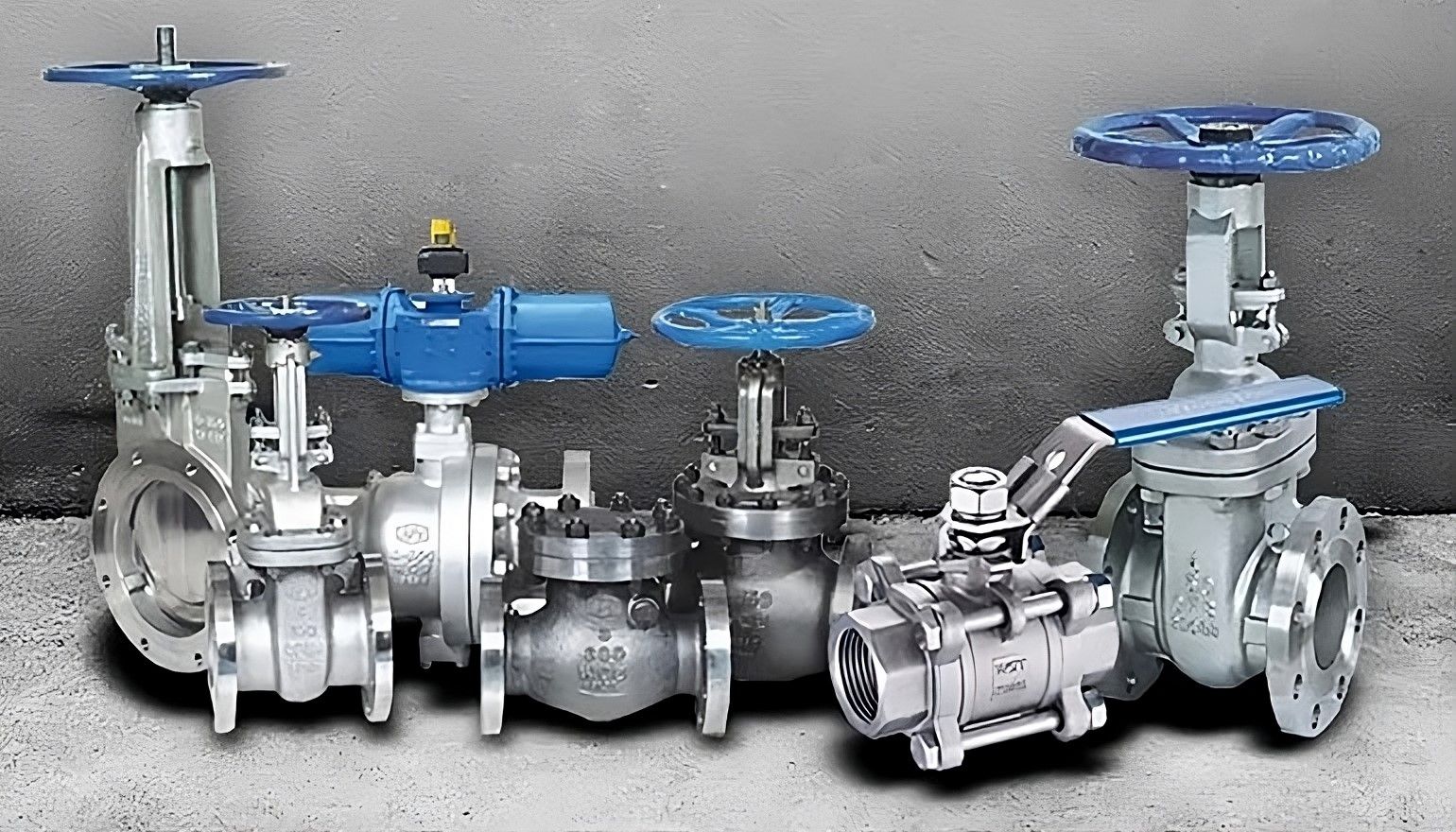
Industrial valves are mechanical devices used to regulate, direct, or control the flow of liquids, gases, or slurries within a system. These components are widely used in pipelines, machinery, and processing units across industries such as water treatment, oil and gas, manufacturing, and energy production.
The concept of industrial valves dates back to early fluid control systems where basic mechanisms were used to stop or allow flow. Over time, advancements in engineering introduced a wide range of valve types and designs suited for different conditions. Today, industrial valve systems are an essential part of modern infrastructure, helping manage flow rates, pressure levels, and safety conditions.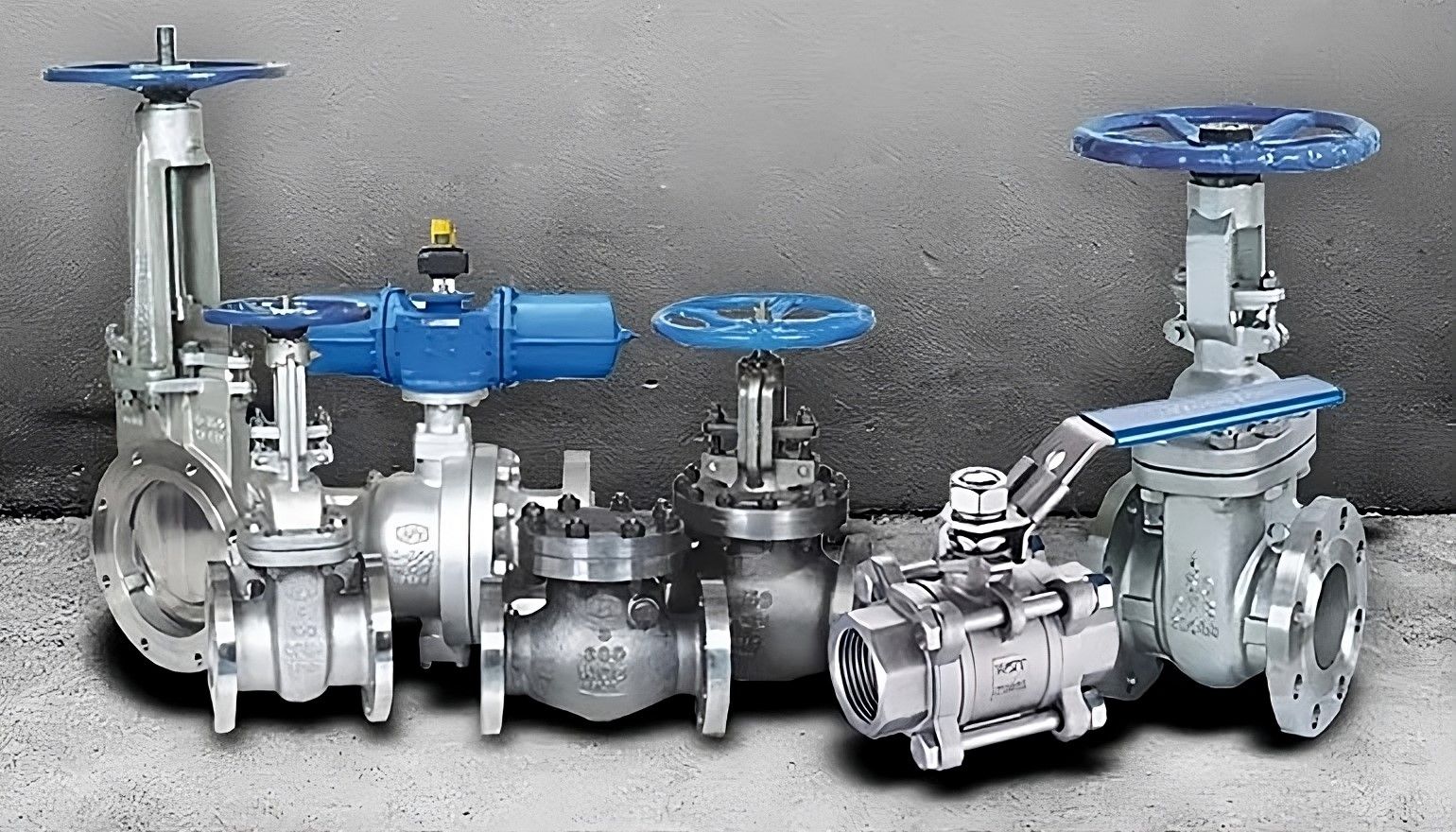
Understanding the types of industrial valves, their functions, and applications helps provide a clear view of how fluid systems operate in both large-scale industries and smaller technical setups.
Importance
Industrial valves play a critical role in maintaining safe and efficient operations. They affect industries that rely on fluid movement, including water supply networks, power plants, chemical processing, and food production.
Their importance can be understood through everyday challenges they address:
- Flow regulation: Ensures fluids move at the required speed and volume
- Pressure management: Prevents system damage due to excessive pressure
- Safety control: Helps isolate sections during maintenance or emergencies
- System efficiency: Improves overall performance of pipelines and machinery
Without proper valve functions, systems can experience leaks, pressure buildup, or operational failure. This can impact not only industrial processes but also public utilities such as water distribution.
Recent Updates
Recent developments in industrial valves focus on automation, efficiency, and monitoring capabilities. The shift toward smart infrastructure has influenced how valve systems are designed and used.
Smart valve technology
Modern industrial valve systems increasingly include sensors and automation features. These allow remote monitoring and control, improving response times and reducing manual intervention.
Energy-efficient designs
New valve types are being designed to reduce energy loss during fluid flow. Improved sealing mechanisms and streamlined internal structures contribute to better efficiency.
Integration with digital systems
Industrial valves are now often connected to digital platforms for real-time data analysis. This helps operators monitor valve performance and predict maintenance needs.
Materials and durability
Advancements in materials, such as corrosion-resistant alloys and high-performance polymers, have extended the lifespan of valves in harsh environments.
Laws or Policies
Industrial valves are influenced by safety standards and regulatory guidelines that vary by country. These rules ensure that valve systems operate reliably and do not pose risks to people or the environment.
Safety standards
Organizations such as the American Society of Mechanical Engineers (ASME) and the International Organization for Standardization (ISO) provide guidelines for valve design, testing, and performance.
Environmental regulations
Valves used in industries like oil and gas must comply with emission control regulations. Proper sealing and leak prevention are important for reducing environmental impact.
Quality and certification
Manufacturers often follow certification processes to ensure that industrial valves meet specific operational standards. These certifications indicate that the valves are suitable for particular applications.
Inspection and maintenance rules
Periodic inspection requirements help ensure that valve components continue to function correctly over time. This reduces the risk of system failures.
Tools and Resources
Various tools and resources help in understanding, selecting, and managing industrial valves effectively.
Design and simulation tools
Engineering software allows users to model valve behavior under different conditions. This helps in selecting suitable valve types and predicting performance.
Valve sizing calculators
These tools help determine the appropriate valve size based on flow rate, pressure, and fluid characteristics.
Industry standards documentation
Technical documents and guidelines provide detailed information about valve specifications, materials, and usage conditions.
Training and educational platforms
Online platforms offer courses and tutorials explaining valve functions, components, and applications in simple terms.
Types of Industrial Valves and Their Functions
Industrial valves come in different designs, each suited for specific purposes. Below is a simplified overview:
Common valve types and uses
| Valve Type | Function | Typical Applications |
|---|---|---|
| Gate valve | Starts or stops flow | Water pipelines, oil systems |
| Globe valve | Regulates flow | Cooling systems, fuel lines |
| Ball valve | Quick shut-off | Gas pipelines, industrial units |
| Butterfly valve | Controls flow in large systems | Water treatment plants |
| Check valve | Prevents backflow | Pump systems, pipelines |
| Pressure relief valve | Releases excess pressure | Boilers, pressure vessels |
Valve components overview
Most industrial valves include the following parts:
- Body: The main structure that holds internal components
- Seat: Provides sealing surface to prevent leakage
- Disc or ball: Controls the flow of fluid
- Stem: Connects the actuator to the internal mechanism
- Actuator: Operates the valve manually or automatically
Each component plays a role in ensuring proper valve functions and durability.
Tools and Resources for Valve Applications
Understanding valve applications requires practical tools and references:
- Flow control systems: Used to monitor and adjust fluid movement
- Pressure gauges: Help assess system conditions
- Maintenance checklists: Ensure regular inspection of valve components
- Digital monitoring systems: Track valve performance in real time
These resources support effective use of industrial valves in different environments.
FAQs
What are industrial valves and why are they used?
Industrial valves are devices that control the flow and pressure of fluids in a system. They are used to manage fluid movement, ensure safety, and maintain system efficiency.
What are the main types of industrial valves?
The main types of industrial valves include gate valves, globe valves, ball valves, butterfly valves, and check valves. Each type serves a different function depending on the application.
How do valve functions affect industrial systems?
Valve functions directly influence how fluids move within a system. Proper functioning helps maintain pressure balance, prevent leaks, and ensure smooth operation.
Where are industrial valve applications commonly found?
Industrial valve applications are found in water supply systems, oil and gas pipelines, power plants, and manufacturing processes where fluid control is necessary.
What factors determine the selection of valve types and uses?
Factors include fluid type, pressure level, temperature, flow rate, and system requirements. These help determine which valve type is suitable for a specific application.
Conclusion
Industrial valves are essential components in systems that handle fluid flow and pressure. Understanding the types of industrial valves, their functions, and applications provides clarity on how many industrial processes operate. With advancements in technology, modern valve systems are becoming more efficient and easier to monitor. Their role in safety, efficiency, and system control remains significant across multiple industries.