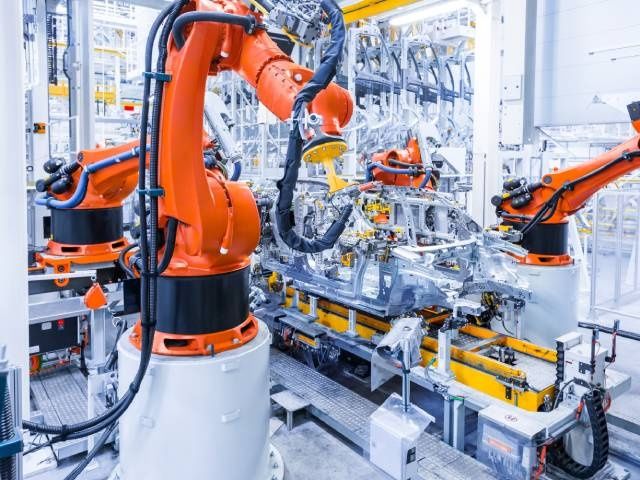
Linear actuator manufacturing refers to the process of designing and producing devices that convert rotational or other forms of motion into straight-line movement. These devices are widely used in mechanical systems where controlled linear motion is required. The concept originates from basic mechanical principles such as screw drives, fluid pressure, and electromagnetic force.
Linear actuators are found in everyday systems, from adjustable furniture to industrial machines. Their role is to move, lift, push, or position objects in a controlled manner. Over time, manufacturing methods have evolved to improve precision, durability, and adaptability for different environments.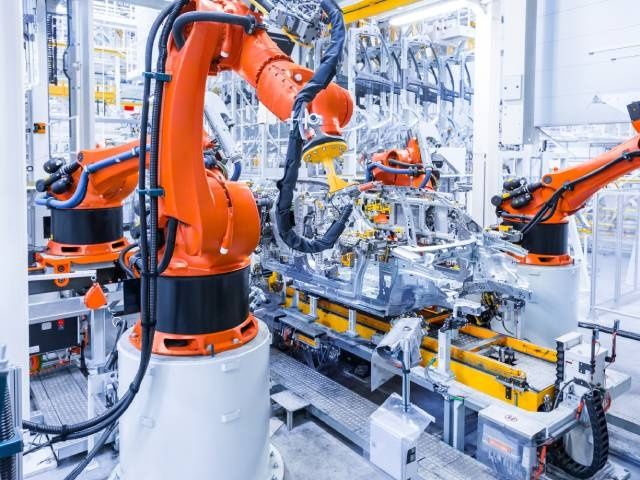
The development of linear actuator manufacturing has been influenced by advances in materials, automation, and control systems. As industries demand more efficient and reliable motion systems, actuators have become a core component in engineering and production.
Importance
Linear actuator manufacturing plays an important role in modern infrastructure and technology. These devices are essential in sectors such as healthcare, transportation, construction, and home automation. Their ability to provide controlled movement helps improve safety, efficiency, and accuracy.
For everyday users, linear actuator applications can be seen in adjustable beds, automated doors, and lifting systems. In industrial settings, actuators help move heavy loads, position equipment, and automate repetitive processes.
Key reasons why this topic matters include:
- Improved automation: Linear actuators support automated systems, reducing manual effort
- Precision control: They enable accurate positioning in machines and devices
- Versatility: Different types of linear actuators can be used in various environments
- Safety enhancements: Controlled motion reduces the risk of accidents in machinery
As industries continue to adopt automation, understanding linear actuator functions and their manufacturing becomes increasingly relevant.
Recent Updates
Recent developments in linear actuator manufacturing have focused on efficiency, integration, and sustainability. Manufacturers are improving designs to meet modern technological needs while reducing environmental impact.
Some current trends include:
- Smart actuators: Integration with sensors and control systems allows real-time monitoring and adjustments
- Energy-efficient designs: Electric linear actuator systems are becoming more common due to lower energy consumption compared to traditional systems
- Compact and lightweight materials: New materials help reduce size and weight without affecting performance
- Integration with automation systems: Actuators are increasingly used in robotics and automated production lines
Another noticeable trend is the shift toward electric linear actuator solutions in applications where precise control and low maintenance are required. At the same time, hydraulic linear actuator and pneumatic linear actuator systems continue to be used in heavy-duty and high-force environments.
Laws or Policies
Linear actuator manufacturing is influenced by various regulations and standards, particularly in industrial and safety contexts. These rules help ensure that products operate safely and meet quality requirements.
In India and many other countries, manufacturing standards are guided by organizations such as the Bureau of Indian Standards (BIS) and international frameworks like ISO. These standards cover aspects such as material quality, electrical safety, and performance testing.
Key regulatory considerations include:
- Electrical safety standards: Important for electric linear actuator systems
- Pressure system regulations: Applicable to hydraulic linear actuator and pneumatic linear actuator devices
- Workplace safety norms: Ensure safe integration of actuators in industrial environments
- Environmental guidelines: Encourage efficient use of energy and materials
Compliance with these policies helps maintain consistency and reliability in linear actuator applications across different industries.
Tools and Resources
Several tools and resources support understanding and development in linear actuator manufacturing. These resources are useful for engineers, students, and anyone interested in motion control systems.
Common tools and platforms include:
- CAD software: Used for designing actuator components and assemblies
- Simulation tools: Help test linear actuator functions before physical production
- Engineering calculators: Assist in determining force, speed, and load requirements
- Technical documentation platforms: Provide specifications and guidelines for different actuator types
These resources make it easier to plan, design, and evaluate actuator systems without relying solely on physical prototypes.
Types of Linear Actuators
Understanding the types of linear actuators is essential to selecting the right solution for a specific application. Each type operates differently and is suited for particular environments.
Electric Linear Actuator
Electric linear actuator systems use electric motors to create motion. They often rely on screw mechanisms to convert rotational motion into linear movement.
Key characteristics include:
- Precise control over movement
- Lower maintenance requirements
- Suitable for indoor and controlled environments
Hydraulic Linear Actuator
Hydraulic linear actuator systems use fluid pressure to generate force. These are commonly used in heavy-duty applications.
Key characteristics include:
- High force output
- Suitable for lifting heavy loads
- Common in construction and industrial machinery
Pneumatic Linear Actuator
Pneumatic linear actuator systems use compressed air to produce motion. They are often used in fast and repetitive operations.
Key characteristics include:
- Quick response times
- Simple design
- Suitable for light to medium loads
Linear Actuator Functions
Linear actuator functions are based on converting energy into motion. Depending on the type, this energy can be electrical, hydraulic, or pneumatic.
Common functions include:
- Lifting: Raising objects vertically in equipment or furniture
- Pushing and pulling: Moving objects along a straight path
- Positioning: Adjusting the placement of components in machines
- Tilting and rotating (indirect): Achieved through linked mechanisms
These functions are essential in both simple devices and complex automated systems.
Linear Actuator Applications
Linear actuator applications span multiple industries and everyday use cases. Their adaptability makes them suitable for a wide range of tasks.
Examples include:
- Healthcare equipment: Adjustable hospital beds and medical devices
- Home automation: Automated windows, doors, and furniture
- Industrial machinery: Assembly lines and material handling systems
- Transportation: Seat adjustments and control systems
The table below provides a simple overview of actuator types and their typical applications:
| Actuator Type | Common Applications | Key Advantage |
|---|---|---|
| Electric linear actuator | Home automation, medical devices | Precise control |
| Hydraulic linear actuator | Construction equipment, heavy loads | High force output |
| Pneumatic linear actuator | Packaging systems, automation lines | Fast operation |
FAQs
What is linear actuator manufacturing?
Linear actuator manufacturing is the process of designing and producing devices that create straight-line motion from different energy sources such as electricity, fluid pressure, or air.
What are the main types of linear actuators?
The main types of linear actuators include electric linear actuator, hydraulic linear actuator, and pneumatic linear actuator systems. Each type is suited for different applications based on force, speed, and control needs.
How do linear actuator functions work?
Linear actuator functions work by converting energy into linear motion. This allows systems to lift, push, pull, or position objects in a controlled manner.
Where are linear actuator applications commonly used?
Linear actuator applications are commonly found in healthcare equipment, industrial machines, home automation systems, and transportation systems.
Why is linear actuator manufacturing important?
Linear actuator manufacturing is important because it supports automation, improves efficiency, and enables precise motion control in various industries and everyday devices.
Conclusion
Linear actuator manufacturing is a key part of modern engineering, enabling controlled linear motion across many applications. Different types of linear actuators provide flexibility for various environments, from lightweight systems to heavy-duty machinery. Understanding linear actuator functions helps explain how these devices operate in practical settings. As technology advances, actuator design continues to evolve, supporting automation and efficiency in multiple sectors.