Hydraulic lifts are no longer limited to basic lifting tasks in factories or workshops. Modern systems now combine stronger engineering, smarter controls, better safety layers, and energy-focused designs that improve performance across many industries.
Many people don’t realize that the real value of a hydraulic lift is not only vertical movement. It often affects workflow speed, worker safety, equipment access, maintenance time, and how efficiently a facility uses space.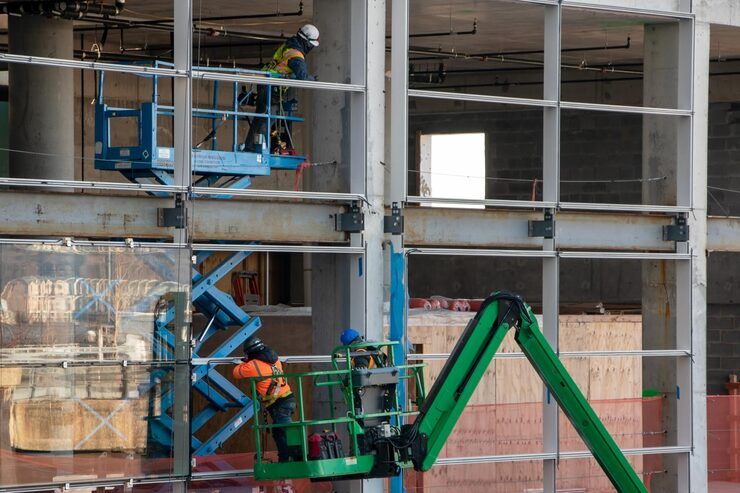
This guide explores modern hydraulic lift benefits, how new technology is changing lifting systems, and what businesses should understand before comparing different solutions. You will also see why hydraulic lift performance depends on more than lifting capacity alone.
What Is a Modern Hydraulic Lift?
A hydraulic lift is a machine that uses pressurized fluid to raise, lower, or position loads. The system typically includes cylinders, pumps, valves, fluid reservoirs, and a controlled platform or lifting mechanism.
This matters because hydraulic systems can generate significant force with compact mechanical movement. That makes them useful in warehouses, automotive facilities, hospitals, construction environments, and manufacturing plants.
From a practical standpoint, modern hydraulic lift systems are designed for smoother motion, better control accuracy, and safer operation than many older models.
In real-world facilities, a reliable lift often reduces manual handling risks while improving speed in repetitive operations.
How New Hydraulic Lift Technology Works
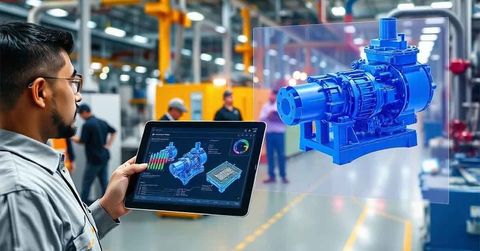
Traditional hydraulic lifts relied heavily on basic pump pressure and manual controls. Modern systems increasingly use sensors, programmable controls, and precision valves.
These upgrades matter because smoother starts and stops reduce stress on both machinery and carried loads. For example, fragile equipment or precision components benefit from controlled movement rather than abrupt lifting action.
Digital monitoring can also track cycle counts, pressure behavior, and maintenance needs. In many cases, this helps prevent breakdowns before they interrupt operations.
The real difference appears when technology turns a lift from a simple machine into a managed productivity tool.
Key Benefits of Modern Hydraulic Lift Systems
Better Safety Performance
Modern lifts often include overload alerts, emergency stops, anti-drop systems, and controlled descent features.
This matters because worker injury risk can rise quickly when lifting heavy loads manually or using outdated systems.
Improved Efficiency
Faster lift cycles and smoother positioning can reduce wasted time in production lines or warehouses.
In real operations, even small time savings repeated daily can create measurable productivity gains.
Space Optimization
Many hydraulic lift systems allow vertical movement where ramps or wider machinery would need more floor area.
This is useful in urban warehouses or compact workshops where space has high value.
Reduced Physical Strain
Lifts decrease repeated manual lifting tasks, helping reduce fatigue in labor-intensive environments.
That can improve consistency and worker comfort over longer shifts.
Hydraulic Lift Comparison: Older vs Modern Systems
| Feature | Older Hydraulic Lift | Modern Hydraulic Lift |
|---|---|---|
| Controls | Manual/basic | Smart digital controls |
| Motion Quality | Abrupt movement | Smooth precision travel |
| Safety Layers | Limited | Multi-layer safety systems |
| Maintenance | Reactive repairs | Predictive monitoring |
| Efficiency | Standard | Optimized cycles |
This hydraulic lift comparison shows that newer models are not only stronger machines. They are often smarter operating systems.
The real difference appears when downtime, repair costs, and safety incidents are measured over time.
Decision Thinking: Choosing the Right Hydraulic Lift
The best hydraulic lift depends on load type, usage frequency, available space, and operating environment.
A warehouse handling pallets may need speed and repeated cycle durability. An automotive service center may prioritize underbody access and technician safety. A manufacturing line may require exact platform positioning.
One overlooked factor is duty cycle. A lift that performs well for occasional use may struggle under continuous industrial demand.
In many cases, the lowest upfront price is not the best long-term decision. The real difference appears when maintenance frequency, downtime risk, and energy usage are considered together.
Real-World Use Cases Across Industries
Hydraulic lifts are used in many sectors because lifting needs vary widely.
Warehouses use them for loading docks, mezzanine movement, and goods transfer. Hospitals may use specialized lift systems for equipment handling or accessibility platforms. Auto workshops rely on vehicle lifts for inspections and repairs.
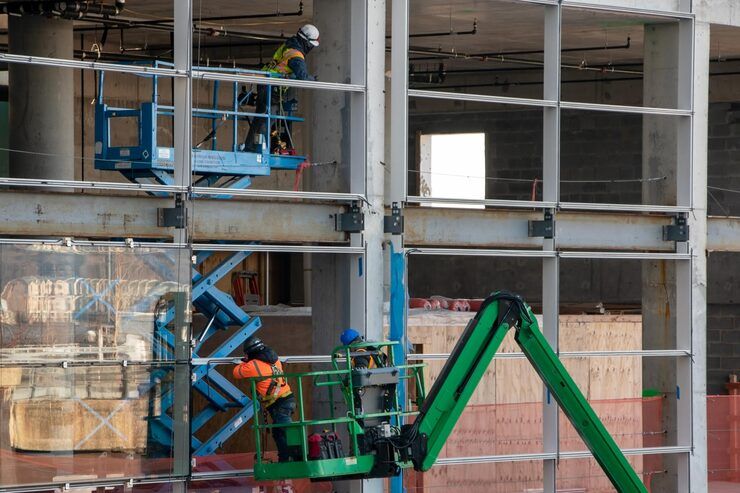
Construction sites may use hydraulic lifting platforms where stable elevation access is necessary.
In real-world operations, the same technology serves different goals: speed, safety, access, or precision.
Common Challenges and Trade-Offs
While hydraulic lifts offer strong advantages, every system has trade-offs.
Hydraulic fluid maintenance is important. Leaks, contamination, or pressure loss can affect performance. Some lifts also need regular inspections to maintain safety standards.
Noise levels, operating temperature, and floor load requirements may matter depending on the site.
This means the best hydraulic lift choice depends on total fit, not just lifting height or capacity.
Future Trends in Hydraulic Lift Technology
Hydraulic lift technology is moving toward smarter automation and greener performance.
Manufacturers are introducing energy-efficient pumps, remote diagnostics, IoT monitoring, and integrated safety analytics. Some systems now optimize power use during idle phases.
Battery-supported hybrid systems are also gaining attention in mobile applications.
Future hydraulic lift performance may depend less on raw force and more on intelligence, efficiency, and predictive reliability.
FAQ
1. What is a hydraulic lift used for?
A hydraulic lift is used to raise, lower, or position heavy loads safely and efficiently.
2. What are the main hydraulic lift benefits?
Common benefits include safety improvement, labor reduction, space efficiency, and faster workflow.
3. Are modern hydraulic lifts more efficient?
Yes, many modern systems use smart controls and optimized cycle speeds.
4. How do I choose the best hydraulic lift?
It depends on load size, usage frequency, space limits, and safety needs.
5. Do hydraulic lifts require maintenance?
Yes, regular checks of fluid systems, seals, controls, and safety parts are important.
Conclusion
Modern hydraulic lift systems now deliver more than lifting power. They support safety, efficiency, workflow speed, and smarter facility operations through better engineering and digital control.
From warehouses to workshops, the best hydraulic lift decision depends on environment, workload, and long-term operating priorities. Many people don’t realize that new lift technology often creates value through reliability and reduced downtime rather than force alone.
As automation grows, hydraulic lift systems may become even more intelligent and performance-driven.