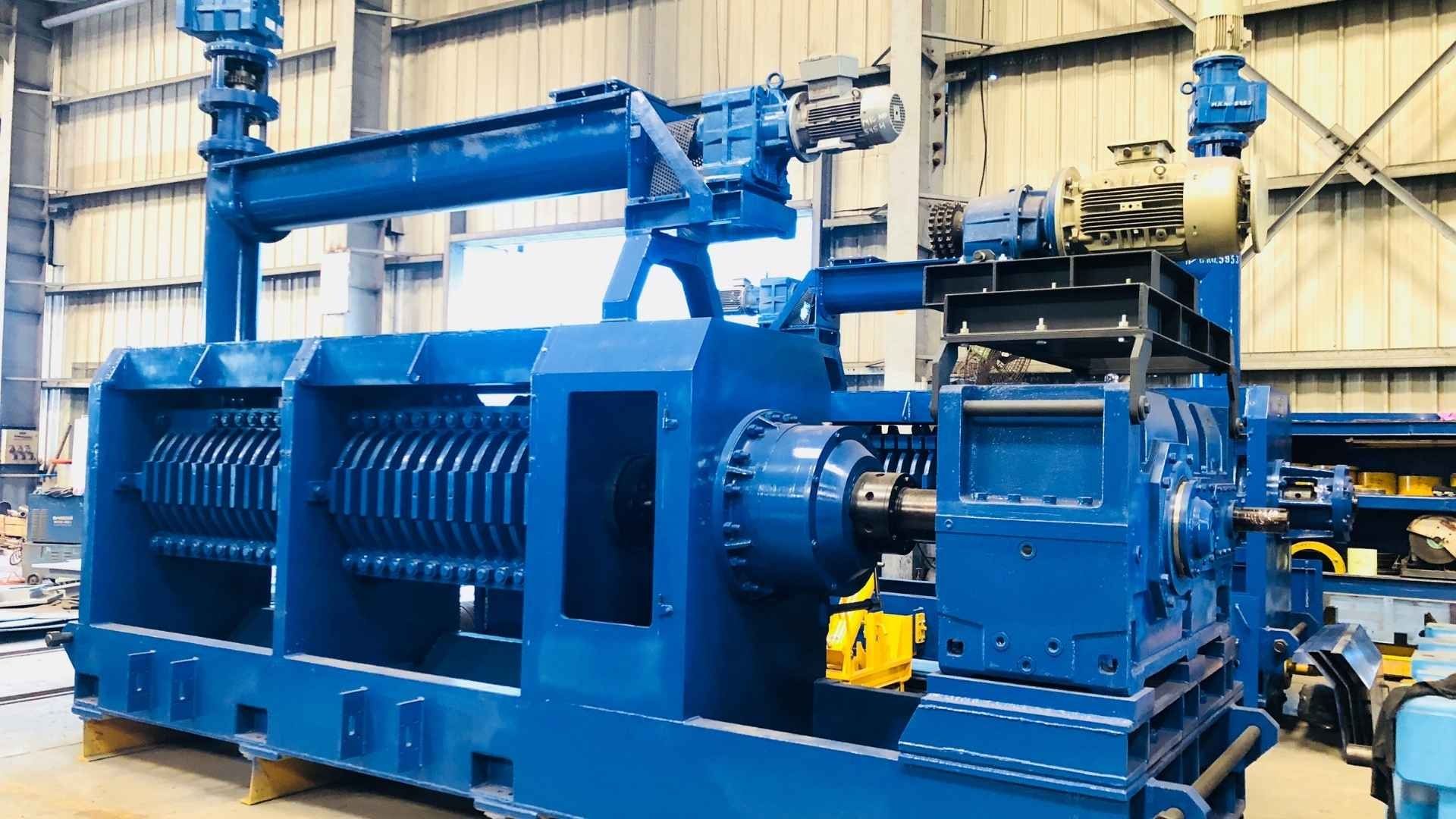
Oil extraction tools refer to the mechanical, hydraulic, and digital equipment used to locate, access, and extract crude oil from beneath the earth’s surface. These tools are part of upstream oil and gas operations and are designed to handle extreme pressure, temperature, and geological conditions found deep underground or offshore.
Oil exists in porous rock formations trapped beneath impermeable layers. To reach these reserves, specialized tools are required to drill wells, stabilize boreholes, control pressure, and lift hydrocarbons to the surface. Over time, oil extraction tools have evolved from basic mechanical systems to highly advanced, sensor-driven technologies.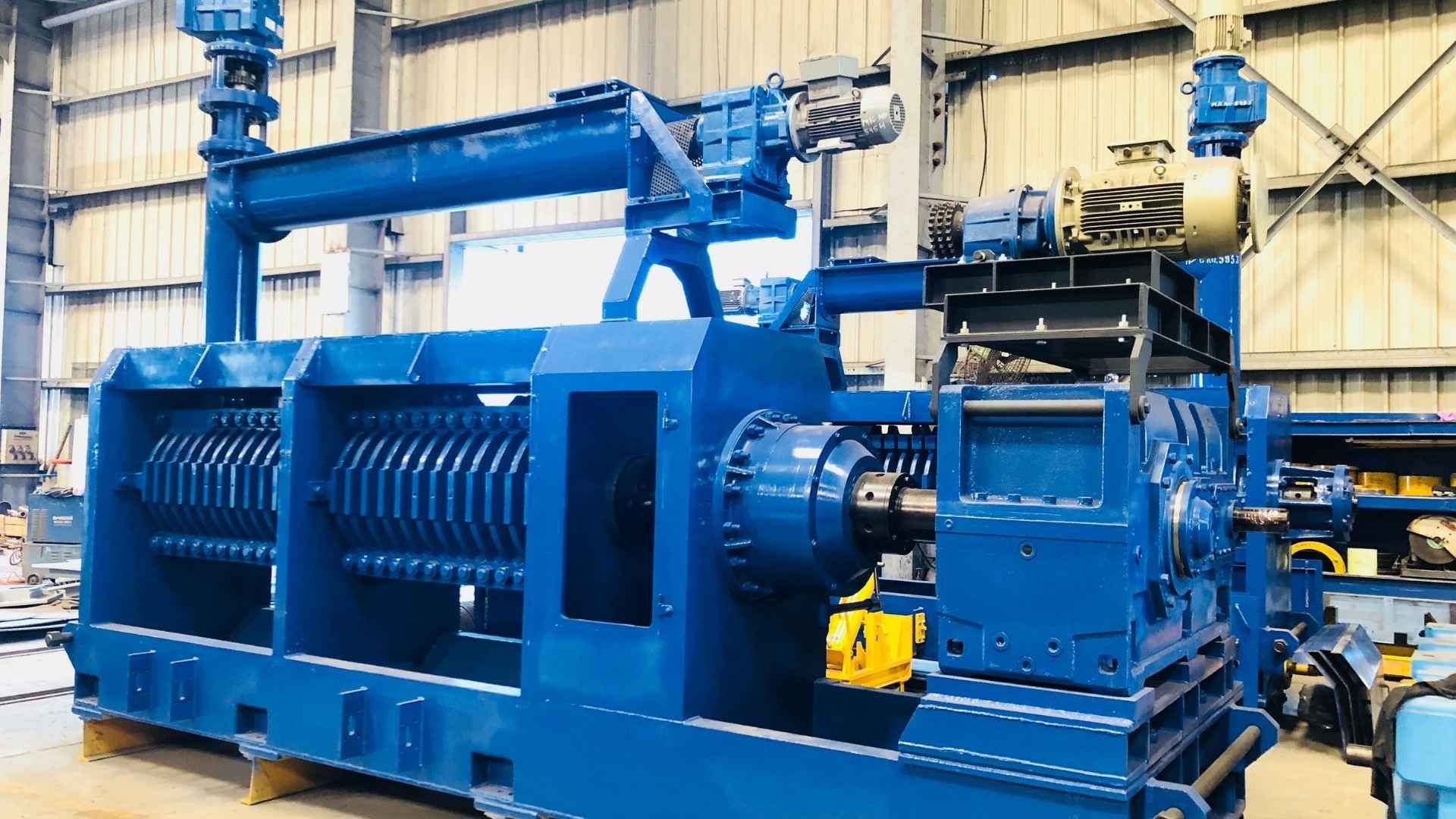
The existence of these tools is directly linked to global energy demand. Transportation, manufacturing, electricity generation, petrochemicals, and infrastructure development all rely on oil-derived products. Extraction tools make it possible to access these resources in a controlled and efficient manner while maintaining operational safety.
Why Oil Extraction Tools Matter in the Modern World
Oil extraction tools play a significant role in global energy systems and industrial development. Their importance extends beyond oil-producing regions and directly affects economies, industries, and energy security worldwide.
Key reasons these tools remain relevant today include:
-
Enabling consistent supply of crude oil for refining and downstream industries
-
Supporting national energy independence and strategic reserves
-
Allowing access to deep, unconventional, and offshore oil formations
-
Improving extraction efficiency from mature or declining oil fields
-
Enhancing safety in high-pressure drilling environments
-
Reducing environmental risks through precision control and monitoring
These tools affect a wide range of stakeholders, including engineers, geologists, policymakers, environmental analysts, and energy planners. Without reliable extraction tools, accessing oil reserves would be unpredictable, unsafe, and inefficient.
They also address practical challenges such as wellbore instability, pressure imbalance, sand production, and declining reservoir pressure. Modern tools are designed to solve these issues through automation, real-time monitoring, and advanced materials.
Recent Developments and Industry Trends
The oil extraction sector continues to evolve due to technological advancement, environmental considerations, and operational efficiency goals. Over the past year, several notable trends have shaped the use of extraction tools.
Key updates observed during 2024–2025 include:
-
Increased adoption of digital oilfield technologies using real-time data analytics
-
Greater use of automated drilling and downhole monitoring tools
-
Expansion of tools designed for enhanced oil recovery (EOR) techniques
-
Integration of artificial intelligence for predictive equipment maintenance
-
Growth in directional and horizontal drilling tool usage
-
Focus on reducing non-productive time through smarter tool design
-
Improved corrosion-resistant materials for deep and offshore wells
These developments aim to improve recovery rates, extend the life of oil fields, and enhance operational predictability. The industry continues to prioritize precision and monitoring rather than brute-force extraction.
Regulations, Policies, and Compliance Considerations
Oil extraction tools operate within strict regulatory frameworks due to safety, environmental, and economic implications. Regulations vary by country, but most oil-producing regions follow structured governance systems.
In countries such as India, oil extraction activities are influenced by:
-
National energy policies governing exploration and production
-
Environmental protection regulations related to land, water, and air
-
Safety standards for drilling equipment and pressure-control systems
-
Approval processes for offshore and onshore drilling operations
-
Monitoring requirements for well integrity and spill prevention
-
Compliance obligations under petroleum and mineral resource laws
Government agencies oversee licensing, operational safety, and reporting obligations. These policies ensure that oil extraction tools are used responsibly, with attention to worker safety and environmental protection.
Regulatory oversight has also increased focus on digital reporting, automated monitoring, and transparent data recording from extraction tools.
Common Categories of Oil Extraction Tools
Oil extraction relies on a wide range of specialized tools, each designed for a specific stage of the extraction process.
| Tool Category | Primary Function | Practical Role |
|---|---|---|
| Drilling Tools | Penetrate subsurface formations | Create access to oil reservoirs |
| Well Control Tools | Manage pressure and flow | Prevent blowouts and instability |
| Downhole Tools | Operate inside the wellbore | Measure, stabilize, and control extraction |
| Lifting Tools | Bring oil to the surface | Assist flow in low-pressure wells |
| Monitoring Tools | Collect real-time data | Support operational decisions |
These tools are selected based on geological conditions, reservoir depth, pressure characteristics, and extraction strategy.
Digital and Mechanical Tools Used in Oil Extraction
Oil extraction tools may be mechanical, hydraulic, or digital in nature. Modern operations often combine all three.
Commonly used tools include:
-
Rotary drilling systems and drill bits
-
Blowout preventers and pressure-control valves
-
Mud circulation and wellbore stabilization tools
-
Artificial lift systems such as pumps and gas lift mechanisms
-
Logging-while-drilling and measurement-while-drilling tools
-
Reservoir pressure and temperature sensors
-
Flow-control and choke systems
Digital tools provide continuous feedback, allowing engineers to adjust parameters without interrupting operations. This reduces risk and improves efficiency.
Tools and Knowledge Resources for Oil Extraction
Understanding oil extraction tools requires access to technical references, analytical platforms, and educational resources. These resources support engineers, students, and industry researchers.
Helpful resources include:
-
Petroleum engineering handbooks and technical manuals
-
Oilfield calculation tools for pressure, flow rate, and depth analysis
-
Reservoir modeling and simulation software
-
Digital dashboards for drilling and production monitoring
-
Industry standards documentation for safety and equipment design
-
Geological data repositories and seismic interpretation platforms
-
Academic research publications on extraction technologies
These tools assist in planning, analysis, training, and long-term field development strategies.
Practical Information and Usage Insights
Oil extraction tools function best when supported by structured planning and continuous evaluation. Practical insights help reduce risk and improve outcomes.
Important considerations include:
-
Matching tool selection to reservoir characteristics
-
Monitoring vibration, pressure, and temperature continuously
-
Using corrosion-resistant materials in high-salinity environments
-
Conducting regular integrity checks on pressure-control equipment
-
Integrating digital monitoring with manual inspection routines
-
Maintaining accurate operational logs for compliance and analysis
These practices support safe and efficient extraction while minimizing unexpected disruptions.
Frequently Asked Questions
What are oil extraction tools?
Oil extraction tools are specialized equipment used to drill wells, control pressure, and lift crude oil from underground reservoirs to the surface.
Why are digital tools important in oil extraction?
Digital tools provide real-time data, improve accuracy, reduce operational risk, and support predictive maintenance.
Do oil extraction tools vary by location?
Yes. Tool selection depends on geological conditions, reservoir depth, pressure levels, and whether extraction is onshore or offshore.
How do these tools improve safety?
They help control pressure, monitor well conditions, and detect abnormalities early, reducing the likelihood of accidents.
Are oil extraction tools used after drilling is complete?
Yes. Many tools are used throughout the production phase, including monitoring, lifting, and reservoir management tools.
Conclusion
Oil extraction tools form the backbone of upstream energy operations. From drilling the first well to managing long-term production, these tools enable controlled access to vital energy resources. Their evolution reflects the industry’s shift toward precision, safety, and data-driven decision-making.
Modern extraction tools combine mechanical strength with digital intelligence. They help manage complex geological challenges, improve recovery rates, and support compliance with environmental and safety regulations. As energy systems continue to evolve, oil extraction tools remain essential for maintaining stability in global energy supply.
A clear understanding of these tools, their functions, and their regulatory context provides valuable insight into how modern energy infrastructure operates beneath the surface quietly supporting industries, transportation, and economies worldwide.