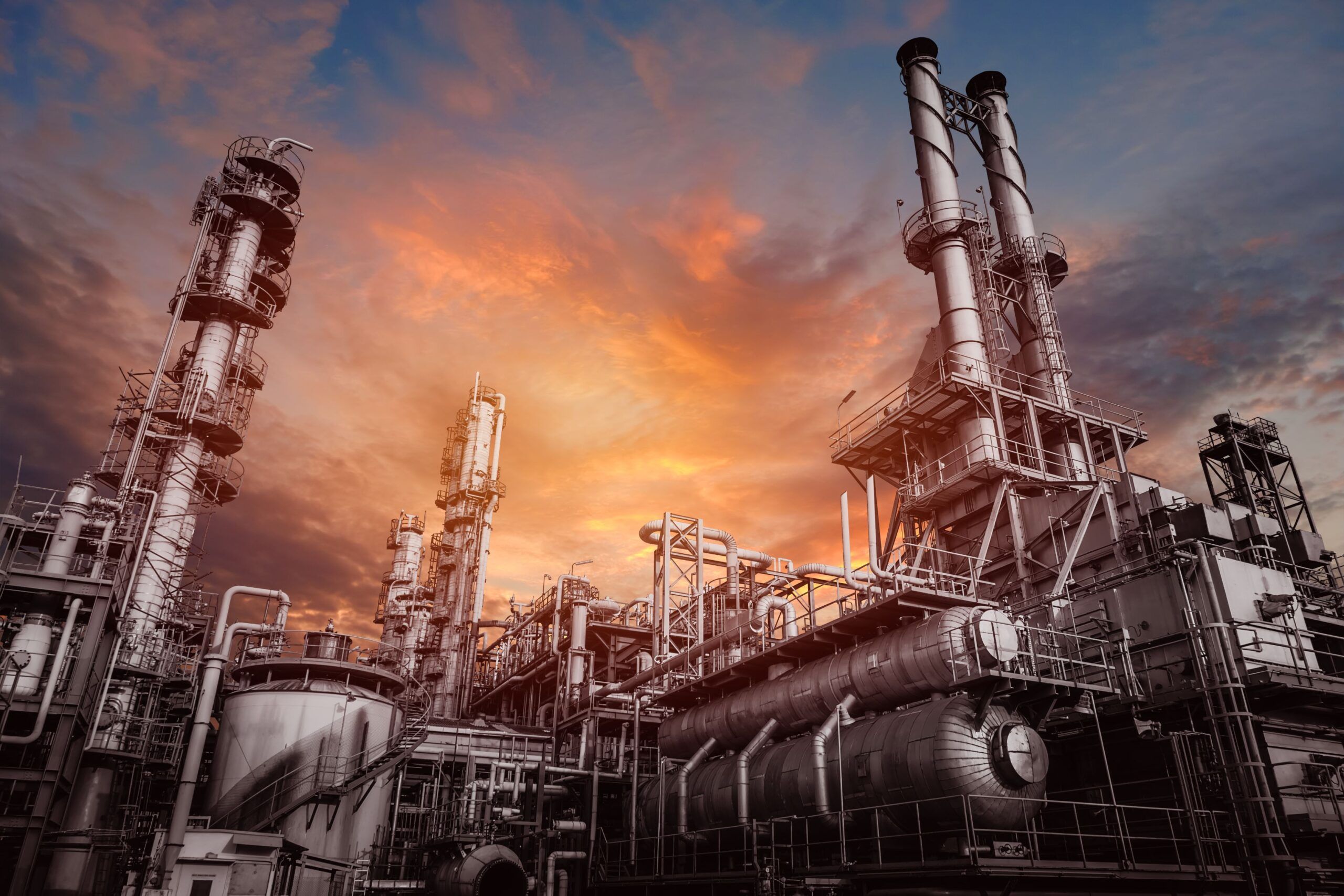
The oil & gas industry is one of the most influential sectors in the global economy. It shapes energy supply, industrial development, transportation networks, manufacturing, and even international relations. While renewable energy is growing, crude oil, natural gas, petroleum products, and LNG (liquefied natural gas) remain critical for meeting current global energy demand. Understanding how this industry works, why it matters, and how it is evolving is essential for students, researchers, professionals, and anyone interested in global energy systems.
The oil & gas industry revolves around the exploration, extraction, processing, transportation, and distribution of hydrocarbons found under the earth’s surface and beneath ocean beds. These hydrocarbons include crude oil, natural gas, condensates, shale gas, coal-bed methane, and other related substances.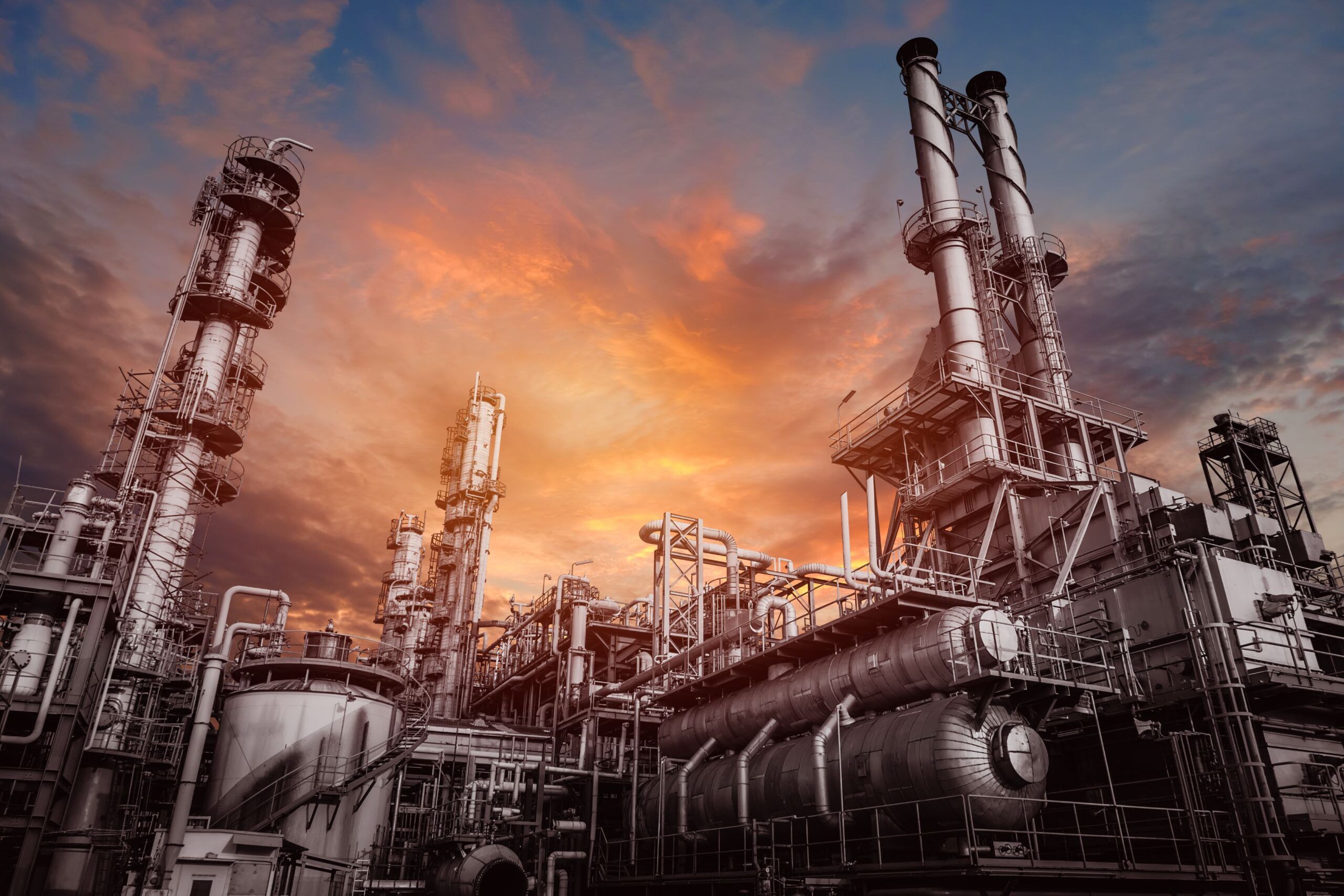
The industry developed because these natural resources are rich in energy and highly adaptable. Over time, refined petroleum products have become essential in powering vehicles, generating electricity, producing heat for homes and industries, and serving as key ingredients in plastics, fertilizers, chemicals, and synthetic materials.
In simple terms, the oil & gas industry exists to extract energy from natural underground resources and convert it into forms that can be used by people, machines, and industries. From offshore drilling rigs to refineries and pipeline networks, the entire system is designed to meet the world’s growing demand for reliable and scalable energy.
Many regions around the world depend on oil and gas because these fuels are relatively easy to store, transport, and use. Even as alternative energy sources expand, oil and gas remain deeply embedded in modern infrastructure and everyday life.
Importance – Why This Industry Matters, Who It Affects, and What Problems It Solves
The oil & gas industry plays a crucial role in supporting both advanced and developing economies. Its impact is far-reaching and affects households, governments, industries, and global markets.
Key areas of importance include:
-
Energy security and stability
Oil and natural gas continue to power a significant share of global electricity generation and transportation systems. Countries rely on these fuels to avoid energy shortages and maintain stable living standards. -
Support for industrial growth
Manufacturing, construction, agriculture, and technology sectors depend on petroleum-based products. Fertilizers, rubber, synthetic fibers, and plastics are all derived from oil & gas by-products. -
Infrastructure and transportation networks
Roads, bridges, airports, cargo ships, trucks, and airplanes all depend on fuel derived from crude oil. Without this industry, global trade and logistics would face major disruption. -
Employment and skill development
Millions of people are directly or indirectly connected to the oil & gas value chain across upstream, midstream, and downstream operations—ranging from geologists and engineers to transport and safety professionals. -
Transition support for cleaner energy goals
Natural gas, in particular, is often considered a “bridge fuel” because it produces fewer emissions compared to coal. It helps countries reduce pollution while renewable infrastructure continues to expand.
A simple overview of how the industry is divided is shown below:
| Segment | Focus Area | Examples of Activities |
|---|---|---|
| Upstream | Exploration & extraction | Drilling, well development, resource assessment |
| Midstream | Transportation & storage | Pipelines, tankers, LNG terminals |
| Downstream | Refining & distribution | Refineries, fuel stations, petrochemicals |
This structured system is what keeps energy moving safely and efficiently from source to end user.
Recent Updates – Key Trends and Developments (2024–2025)
The oil & gas sector has experienced several significant changes over the past year, driven by technology, environmental priorities, and policy reform.
Shift towards natural gas and LNG infrastructure
Many countries are increasing investments in natural gas pipelines, LNG terminals, and import/export capacity. Natural gas is becoming an important alternative for power generation and industrial use due to its relatively lower emission profile.
Policy reforms to modernize the sector
Several governments have updated outdated energy laws, introducing new classifications for hydrocarbons, improving licensing frameworks, and creating more efficient rules for exploration and transportation. These reforms aim to streamline operations while maintaining safety and environmental standards.
Increased focus on sustainability and emissions reduction
Oil & gas companies are adopting carbon-reduction strategies, including:
-
Improved flare-gas recovery systems
-
Carbon capture technology
-
Investment in hydrogen and biofuels
-
More efficient refining processes
Digital transformation and smart technology
Advanced technologies such as artificial intelligence, Internet of Things (IoT), and digital twins are now being used to improve efficiency and reduce risk.
A simple data-based view of change:
| Area of Change | Direction of Trend |
|---|---|
| Natural gas usage | Increasing |
| Renewable integration | Growing |
| Manual processes | Decreasing |
| Data-driven decision making | Increasing |
| Environmental compliance focus | Strengthening |
These changes indicate an industry that is modernizing instead of disappearing.
Laws or Policies – How Rules and Government Programs Shape the Sector
The oil & gas industry is strictly regulated to ensure safety, environmental protection, and fair distribution. Governments use laws and national energy policies to control:
-
Exploration rights and licensing
-
Environmental clearance and land use
-
Pipeline construction and safety standards
-
Fuel distribution and quality standards
-
Consumer protection for petroleum products
Recent policy trends show a clear direction toward:
-
More transparent leasing systems
-
Greater accountability for environmental impact
-
Stronger consumer protection mechanisms
-
Incentives for cleaner fuel alternatives
-
Local infrastructure expansion
In countries like India and several parts of Asia and Africa, governments are also focusing on:
-
Expanding city gas distribution
-
Increasing access to CNG and PNG
-
Reducing fuel imports
-
Improving domestic production
These regulatory frameworks help protect resources and ensure that energy systems remain secure, fair, and sustainable in the long run.
Tools and Resources – Useful Platforms and Systems Related to Oil & Gas
People studying or monitoring the oil & gas sector often rely on various data tools, analytical systems, and industry platforms. Some helpful categories include:
-
Energy market dashboards for tracking crude oil and natural gas trends
-
Pipeline mapping tools for understanding midstream networks
-
Refinery capacity databases showing regional output levels
-
Consumption analysis reports tracking demand patterns
-
Digital simulation models used for reservoir forecasting
-
Emission monitoring systems for sustainability tracking
These technologies allow better planning, safety improvement, and long-term resource management without requiring physical access to oil fields.
A simple comparison view:
| Tool Type | Primary Use |
|---|---|
| Energy analytics platforms | Market trends & forecasting |
| GIS mapping systems | Pipeline & field visualization |
| AI monitoring tools | Risk detection & safety analysis |
| Emissions calculators | Environmental evaluation |
| Digital twin technology | Virtual field modeling |
Together, these resources help improve transparency, efficiency, and informed decision-making.
FAQs – Common Questions About the Oil & Gas Industry
What products come from crude oil besides fuel?
Crude oil is used to create plastics, fertilizers, cosmetics, synthetic fibers, paints, lubricants, rubber, and many everyday materials beyond gasoline and diesel.
Why is natural gas considered important for the future?
Natural gas produces lower emissions compared to coal and is often used as a transition fuel while renewable energy infrastructure continues to develop.
Is the oil & gas industry declining?
The industry is not disappearing. It is evolving and integrating with cleaner technologies. Demand remains significant, especially in developing regions.
What are the biggest challenges facing the sector?
Challenges include climate pressure, regulatory changes, price fluctuations, environmental risks, and the need for cleaner alternatives.
How is technology changing operations?
Digital monitoring, automation, AI, and predictive maintenance systems help improve safety, accuracy, and efficiency across oil & gas operations.
Conclusion
The oil & gas industry continues to be a cornerstone of the global energy ecosystem. It supports transportation, manufacturing, infrastructure, agriculture, and modern living standards across the world. While environmental concerns and renewable energy alternatives are reshaping future priorities, crude oil and natural gas still power large segments of global demand.
Recent reforms, technological innovation, and sustainability initiatives reveal an industry that is adapting rather than fading. Advanced data systems, updated regulations, improved safety standards, and diversification into cleaner energy forms are redefining its future path.
For readers seeking a clear, factual, and balanced understanding, the oil & gas industry represents a complex blend of tradition and transformation one that will continue to influence economies, policies, and everyday life for years to come.