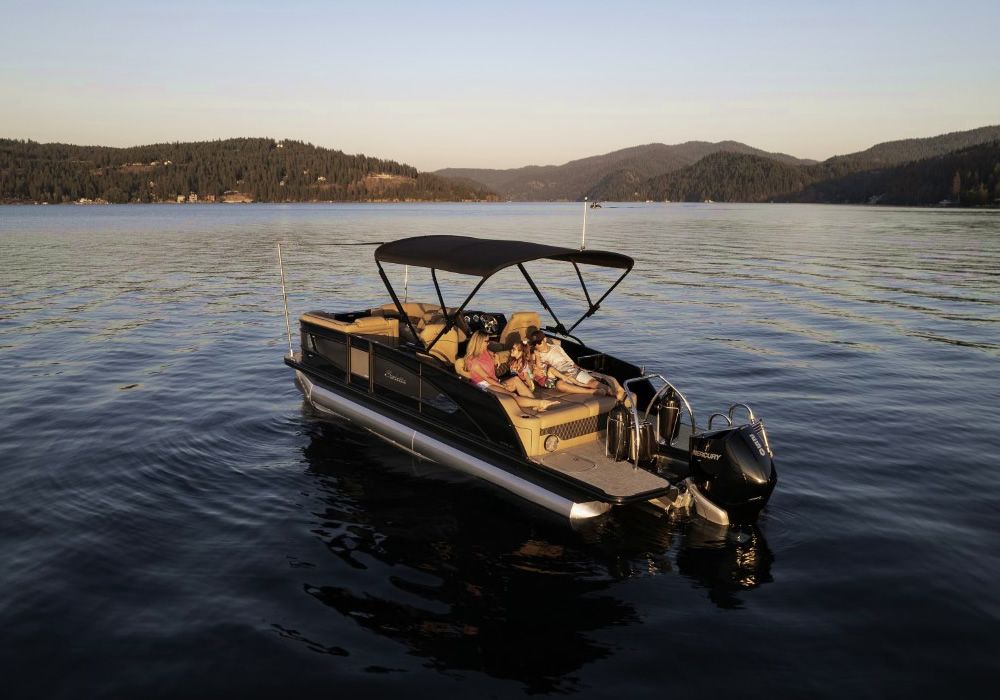
Pontoon boats are flat-deck watercraft supported by cylindrical floating tubes, commonly known as pontoons. These boats are designed to provide stability, spacious decks, and smooth movement across calm and semi-calm water bodies. Unlike traditional V-hull boats, pontoon boats rely on buoyancy rather than sharp hull penetration, making them steady and predictable during operation.
The concept of pontoon boats developed to solve challenges related to balance, passenger comfort, and multi-purpose use on lakes, rivers, and inland waterways. Their design allows people to move freely on board without significantly affecting stability. Over time, pontoons have evolved from basic floating platforms into well-engineered recreational and utility vessels used worldwide.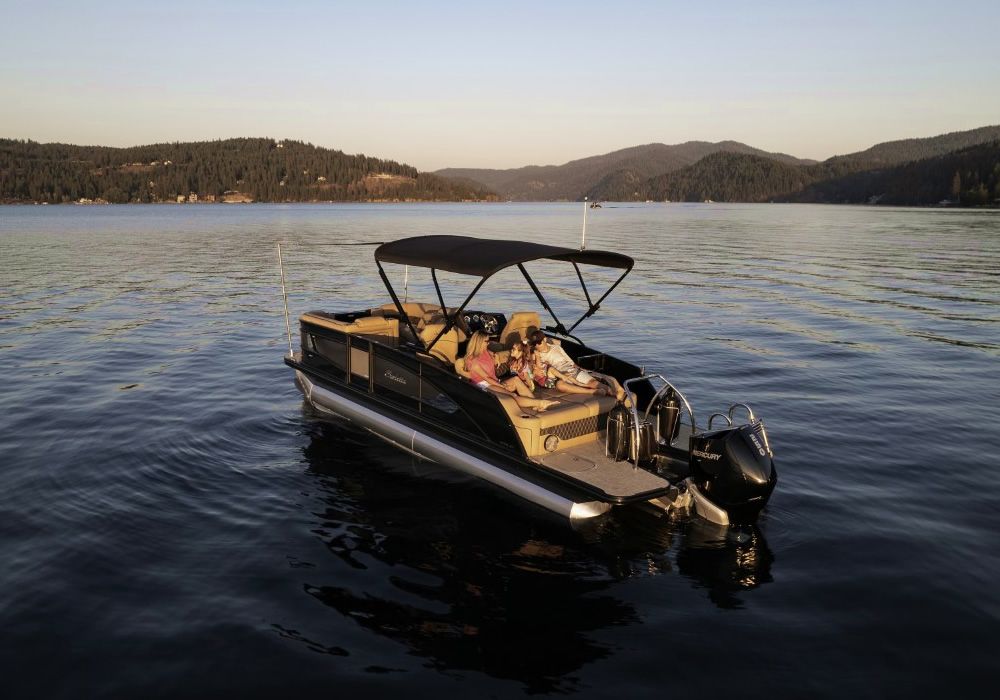
Why Pontoon Boats Matter Today
Pontoon boats play an important role in modern recreational boating, water transport, and leisure activities. Their relevance continues to grow due to changing lifestyle patterns, increasing interest in inland water activities, and demand for safer, more accessible boats.
Key reasons pontoon boats matter today include:
-
High stability compared to many other small watercraft
-
Ease of movement for passengers of different age groups
-
Adaptability for leisure cruising, group outings, and water observation
-
Simplified handling on calm waters such as lakes and reservoirs
-
Reduced learning curve for first-time boat operators
Pontoon boats are used by families, tourism planners, water safety educators, and recreational boating enthusiasts. They help address challenges such as motion discomfort, limited deck space, and difficulty maintaining balance on watercraft.
How Pontoon Boats Are Designed and Function
Pontoon boats typically consist of two or three aluminum tubes mounted beneath a flat deck. These tubes displace water evenly, allowing the boat to float steadily. The deck supports seating, steering consoles, safety rails, and open movement areas.
Key functional characteristics include:
-
Wide beam providing lateral balance
-
Shallow draft allowing operation in low-depth waters
-
Even weight distribution across pontoons
-
Predictable turning behavior at moderate speeds
Some modern pontoons include reinforced underskin panels, lifting strakes for smoother motion, and enhanced steering systems for better directional control.
Table: Common Pontoon Boat Configurations
| Configuration Type | Structural Feature | Practical Advantage |
|---|---|---|
| Dual Pontoon | Two floating tubes | High stability and simplicity |
| Tri-Pontoon | Three floating tubes | Improved balance and smoother turns |
| Compact Pontoon | Shorter deck length | Easier maneuvering in narrow waters |
| Extended Deck | Longer platform | Increased seating and open space |
Recent Updates and Industry Trends
Over the past year, pontoon boat design and usage patterns have continued to evolve. Developments from 2024 to early 2025 reflect technological improvements and user preference shifts.
Recent observations include:
-
Increased use of lightweight aluminum alloys to improve efficiency
-
Integration of digital navigation displays and monitoring panels
-
Growth in electric propulsion compatibility for inland waters
-
Improved railing systems focusing on passenger safety
-
Enhanced deck materials with better weather resistance
-
Rising popularity of modular seating layouts
Environmental awareness has also influenced pontoon design, encouraging quieter propulsion systems and reduced wake impact on shorelines.
Regulations, Laws, and Policy Considerations
Pontoon boat usage is governed by inland waterway regulations, boating safety rules, and environmental guidelines. While laws differ by country and region, several common principles apply.
Typical regulatory considerations include:
-
Mandatory registration with local maritime or waterway authorities
-
Operator competency requirements for powered boats
-
Speed restrictions on lakes and reservoirs
-
Safety equipment guidelines such as life jackets and signaling tools
-
Environmental rules protecting aquatic habitats and shorelines
-
Navigation right-of-way standards on shared waterways
In many countries, government water authorities and transport departments oversee recreational boating policies to ensure safety, environmental protection, and fair water access.
Tools and Resources for Understanding Pontoon Boats
Several digital and educational tools help individuals learn about pontoon boats, navigation, and water safety without requiring technical expertise.
Helpful resources include:
-
Inland waterway navigation maps
-
Digital boating safety handbooks
-
Boat stability and load distribution calculators
-
Weather monitoring and wind forecast applications
-
GPS-based lake mapping tools
-
Online boating education portals
-
Maintenance checklists for seasonal preparation
These tools support informed decision-making and safer boating practices.
Practical Knowledge, Advice, and Helpful Insights
Understanding how pontoon boats behave on water improves safety and enjoyment. Some practical insights include:
-
Weight should be evenly distributed across the deck
-
Sudden sharp turns should be avoided at higher speeds
-
Calm water conditions are ideal for optimal performance
-
Docking is easier when approached slowly and steadily
-
Wind direction affects handling more than water current
-
Regular inspection of pontoon tubes prevents long-term issues
Operators benefit from understanding how buoyancy, drag, and wind resistance interact during movement.
Table: Pontoon Boats vs Traditional Hull Boats
| Aspect | Pontoon Boats | Traditional Hull Boats |
|---|---|---|
| Stability | Very high on calm water | Moderate to high |
| Deck Space | Wide and open | Limited |
| Learning Curve | Beginner-friendly | Requires experience |
| Water Depth Access | Shallow draft | Deeper draft |
| Passenger Movement | Minimal balance impact | Movement affects trim |
Frequently Asked Questions
What is a pontoon boat mainly used for?
Pontoon boats are commonly used for leisure cruising, group outings, water observation, and recreational activities on lakes and calm rivers.
Are pontoon boats stable in water?
Yes. Their buoyant tube-based design provides strong lateral stability, making them steady even when passengers move around.
Can pontoon boats operate in shallow water?
Yes. Their shallow draft allows operation in low-depth inland waters where deeper hull boats may struggle.
How do pontoon boats differ from speedboats?
Pontoon boats focus on stability and space, while speedboats emphasize speed and cutting through waves. Their structural designs serve different purposes.
Do pontoon boats require special navigation skills?
Basic boating knowledge is usually sufficient. Their predictable handling makes them accessible for general users with proper training.
Conclusion
Pontoon boats represent a practical and stable solution for inland water activities. Their design prioritizes balance, deck space, and ease of use, making them suitable for a wide range of recreational and educational purposes. As technology advances, pontoon boats continue to integrate modern materials, digital navigation aids, and environmentally mindful features.
Understanding pontoon boat basics helps individuals appreciate how buoyancy, structure, and regulations work together to ensure safe and enjoyable experiences on water. With proper awareness of handling principles, legal guidelines, and environmental responsibility, pontoon boats remain an important part of modern water-based recreation and learning.