Sliding glass doors are architectural door systems that operate horizontally along a track, using large glass panels to connect interior living spaces with outdoor areas such as balconies, patios, gardens, or terraces. Unlike hinged doors, they slide parallel to walls, making them space-efficient and visually unobtrusive.
The concept of sliding glass doors developed as residential architecture shifted toward openness, natural lighting, and visual continuity between indoor and outdoor environments. Advances in glass technology, framing materials, and sealing systems have allowed these doors to become durable, secure, and suitable for diverse climates.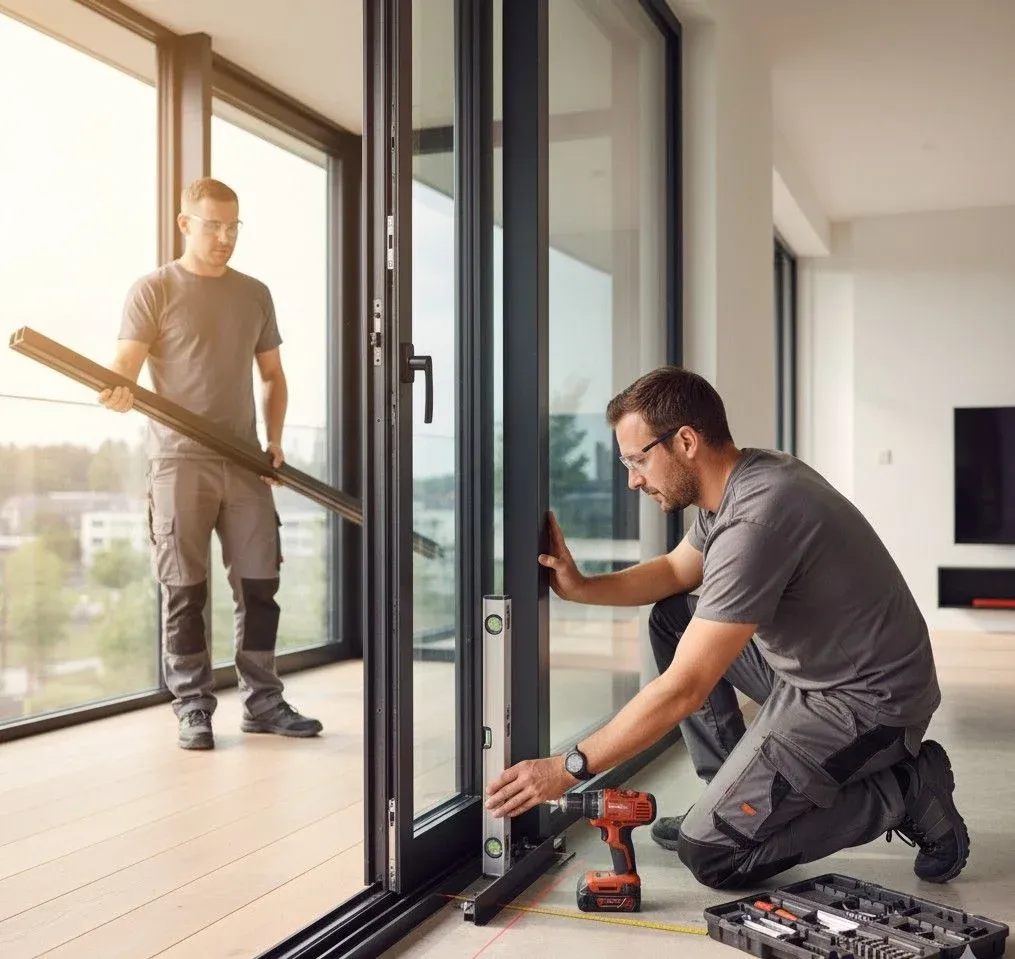
Today, sliding glass doors are commonly used in apartments, independent houses, villas, and modern residential complexes where maximizing daylight, visibility, and functional space is a priority.
Why Sliding Glass Doors Matter in Modern Homes
Sliding glass doors play a practical and aesthetic role in contemporary housing design. As living spaces become more compact and multifunctional, homeowners look for design elements that improve usability without increasing structural complexity.
Key reasons these doors remain relevant include:
-
Efficient use of space due to sliding operation
-
Improved natural light distribution within rooms
-
Visual expansion of interior spaces
-
Seamless access to outdoor areas
-
Better ventilation options when partially opened
-
Compatibility with modern architectural styles
From a functional perspective, sliding glass doors help solve common residential challenges such as limited floor space, insufficient daylight, and restricted movement between indoor and outdoor zones. They affect homeowners, tenants, architects, builders, and renovation planners who aim to balance comfort with efficient layout planning.
How Sliding Glass Doors Work and Basic Installation Understanding
Sliding glass doors operate on a track-based mechanism. One or more glass panels move horizontally on rollers fitted into a bottom or top track, while fixed panels remain stationary for structural support.
The basic installation concept includes:
-
A framed opening aligned with floor and wall levels
-
Tracks installed at the base and sometimes the top
-
Rollers that allow smooth sliding movement
-
Tempered or laminated glass panels mounted within frames
-
Sealing systems to limit air and moisture movement
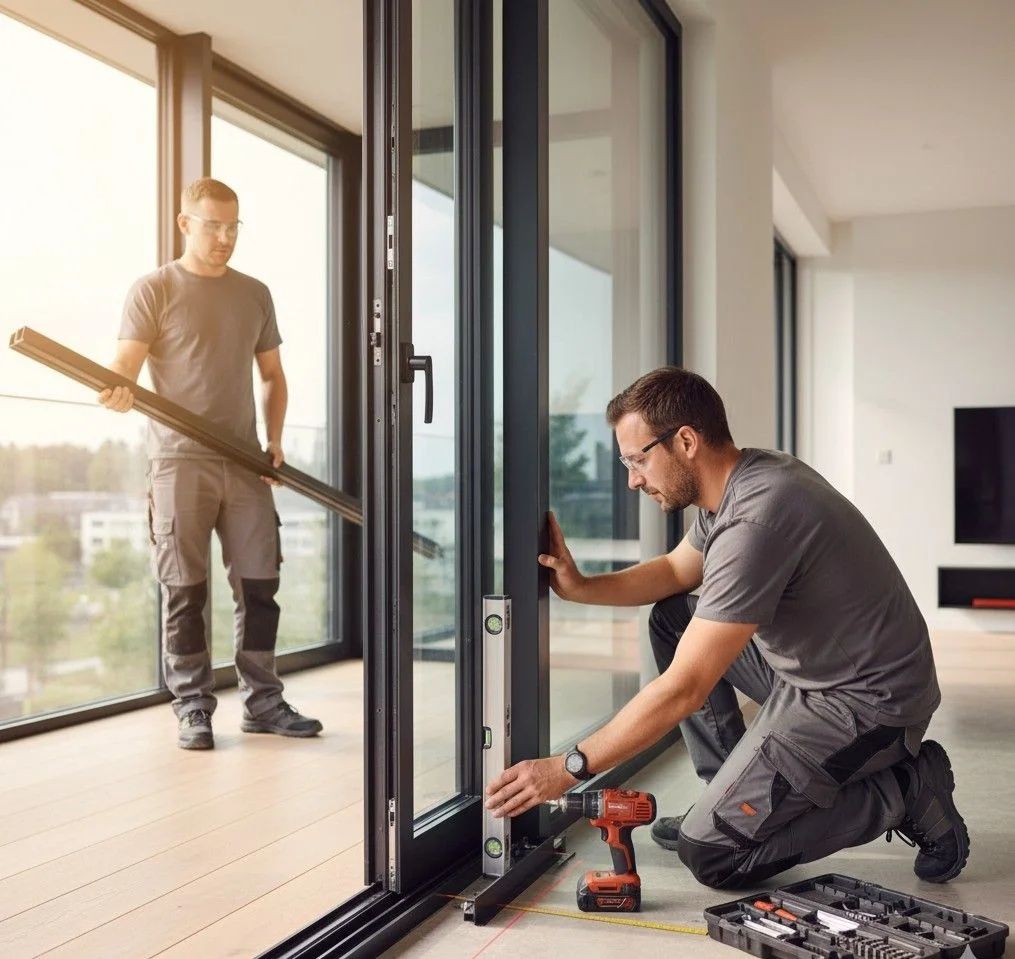
Installation requires precise measurement and alignment. Improper leveling may affect door movement, sealing, and long-term durability. While installation methods vary by structure type and door size, the core principle remains consistent: stable framing, smooth track alignment, and secure panel placement.
Common Types of Sliding Glass Doors Used in Homes
| Door Type | Description | Typical Application |
|---|---|---|
| Two-Panel Sliding Door | One sliding panel, one fixed panel | Apartments, compact homes |
| Three-Panel Sliding Door | Two sliding panels, one fixed | Wider openings |
| Four-Panel Sliding Door | Multiple sliding panels | Large living rooms |
| Pocket Sliding Door | Panel slides into wall cavity | Space-optimized interiors |
| Lift-and-Slide Door | Panel lifts slightly before sliding | Large, heavy glass panels |
These variations allow homeowners and designers to match door configurations with space availability and functional needs.
Recent Developments and Trends
In the past year, sliding glass door design has evolved in response to energy efficiency goals, sustainability focus, and modern building standards.
Notable trends include:
-
Increased adoption of energy-efficient sliding glass doors using double or triple glazing
-
Growth in low-emissivity (Low-E) glass to reduce heat transfer
-
Slim-profile aluminum and uPVC frames gaining popularity
-
Improved locking systems enhancing safety and stability
-
Demand for larger glass panels to create uninterrupted views
-
Better weather sealing for noise and dust control
In 2024, residential construction guidelines in several regions began emphasizing daylight utilization and energy performance, indirectly influencing wider acceptance of advanced sliding door systems.
Laws, Regulations, and Policy Considerations
Sliding glass doors are subject to building and safety regulations that vary by country and region. These rules focus on occupant safety, energy efficiency, and structural stability.
Common regulatory areas include:
-
Building codes governing door dimensions and placement
-
Safety standards for tempered or laminated glass usage
-
Energy-efficiency norms affecting thermal performance
-
Accessibility guidelines for door thresholds and movement
-
Fire-safety considerations for residential exits
-
Wind-load and impact resistance requirements in specific zones
In many regions, housing authorities encourage energy-conscious construction, which indirectly supports the use of insulated glass and well-sealed sliding door systems.
Useful Tools, Planning Resources, and Reference Material
Several tools and resources assist homeowners, architects, and planners in understanding and planning sliding glass door installations.
Helpful references include:
-
Door size and opening measurement calculators
-
Energy performance comparison charts for glazing options
-
Home layout planning software for door placement visualization
-
Building code reference portals for residential compliance
-
Installation checklists outlining preparation steps
-
Maintenance guides for track and roller upkeep
These tools improve planning accuracy and help avoid alignment or clearance issues during installation.
Practical Insights and Key Knowledge for Homeowners
Understanding basic usage and maintenance principles improves long-term performance.
Helpful insights include:
-
Regular cleaning of tracks ensures smooth movement
-
Checking rollers periodically prevents uneven sliding
-
Proper sealing improves insulation and noise reduction
-
Using curtains or blinds helps regulate sunlight exposure
-
Ensuring drainage channels remain clear reduces moisture buildup
-
Avoiding excessive force preserves roller alignment
Sliding glass doors perform best when combined with thoughtful placement and routine inspection.
Frequently Asked Questions
Are sliding glass doors suitable for small homes?
Yes. Their horizontal movement makes them space-efficient and suitable for compact layouts.
Do sliding glass doors allow sufficient ventilation?
Partial opening provides controlled airflow while maintaining safety and comfort.
What type of glass is commonly used?
Tempered or laminated safety glass is standard due to its strength and impact resistance.
Do sliding glass doors improve daylight usage?
Large glass panels allow more natural light compared to traditional solid doors.
How long do sliding glass doors typically last?
With proper installation and maintenance, they can remain functional for many years.
Comparison Table: Sliding Glass Doors vs Hinged Doors
| Feature | Sliding Glass Doors | Hinged Doors |
|---|---|---|
| Space Usage | Minimal swing space required | Requires clearance |
| Natural Light | High | Moderate |
| Outdoor View | Wide visibility | Limited |
| Accessibility | Smooth horizontal movement | Swing-based access |
Conclusion
Sliding glass doors have become an integral element of modern residential design. By combining functional efficiency with visual openness, they address common space, light, and movement challenges found in contemporary homes. Their ability to connect indoor and outdoor environments without occupying additional space makes them especially valuable in urban housing layouts.
Ongoing advancements in glass technology, framing materials, and sealing systems continue to enhance performance, comfort, and durability. When planned carefully and aligned with building guidelines, sliding glass doors contribute to improved living quality, natural illumination, and practical space utilization.
For homeowners and planners seeking clarity, understanding the basics, installation principles, regulatory considerations, and maintenance insights ensures informed decisions and long-term satisfaction with sliding glass door systems.