Adventure travel is a type of tourism that involves exploration or travel with a certain degree of risk, often to remote or exotic locations. It typically includes physical activities, cultural exchange, and interactions with nature. Popular activities include trekking, mountaineering, scuba diving, white-water rafting, paragliding, and wildlife safaris.
The demand for adventure travel is growing steadily, fueled by a global shift toward experience-based travel. It appeals to people looking to break free from traditional sightseeing and instead immerse themselves in authentic, thrilling, and meaningful experiences. From high-altitude hikes in South America to underwater exploration in Southeast Asia, adventure travel offers something for every kind of explorer.
Why Adventure Travel is Gaining Global Importance
For Travelers
-
Personal growth: Adventure travel challenges physical and mental limits, fostering confidence and resilience.
-
Connection with nature: Many adventures take place in natural environments, encouraging environmental awareness.
-
Health benefits: Activities like hiking and cycling promote fitness and well-being.
For Local Communities
-
Economic development: Adventure tourism creates jobs and supports local businesses, especially in rural areas.
-
Cultural preservation: Responsible tourism helps maintain traditions and heritage through community engagement.
For the Planet
-
Sustainable tourism: Many adventure tours emphasize eco-friendly practices, such as low-impact travel and wildlife conservation.
Recent Trends and Updates in Adventure Travel (2024–2025)
The past year has seen significant shifts in how and where people engage in adventure tourism:
| Trend | Details |
|---|---|
| Solo Adventure Travel | A noticeable increase in solo bookings, especially among women and digital nomads. |
| Tech Integration | Use of GPS trackers, drone footage, and AR apps enhances exploration and safety. |
| Eco-Tourism Rise | Destinations like Costa Rica and Bhutan are attracting conscious travelers. |
| Remote Work + Adventure | The “workcation” trend combines working remotely with outdoor adventures. |
| Accessible Adventure | Adaptive gear and inclusive itineraries are making adventure travel possible for people with disabilities. |
Rules, Regulations, and Local Policies Impacting Adventure Travel
Adventure travel often involves entering protected, sensitive, or remote regions. Many countries have implemented regulations to ensure traveler safety and environmental conservation.
-
Nepal: Trekking in regions like Annapurna and Everest now requires mandatory guide registration and TIMS (Trekkers' Information Management System) permits.
-
New Zealand: Strict biosecurity laws to protect native ecosystems; travelers must declare outdoor gear.
-
Bhutan: Requires tourists to pay a Sustainable Development Fee, encouraging low-volume, high-value tourism.
-
Peru: Daily caps on the number of visitors to Machu Picchu and mandatory use of official guides.
-
Canada: National Parks require permits for backcountry camping and fishing, with seasonal closures.
Travelers are encouraged to review entry rules, insurance requirements, and park permits before booking.
Tools and Resources for Planning Your Adventure Travel
To ensure safe and efficient travel planning, the following tools and platforms can be useful:
-
AllTrails – A global app for hiking, biking, and nature trails with offline maps and reviews.
-
Komoot – Route planner for cyclists, hikers, and mountaineers with elevation and surface analysis.
-
GAIA GPS – High-detail offline navigation tool for backcountry adventure.
-
Travel Insurance Providers – Like World Nomads or SafetyWing, which cover adventure activities.
-
Government Portals – Such as travel.state.gov or gov.uk/foreign-travel-advice for country-specific alerts and regulations.
Additionally, eco-certifications (like Green Globe or EarthCheck) can guide travelers toward sustainable providers.
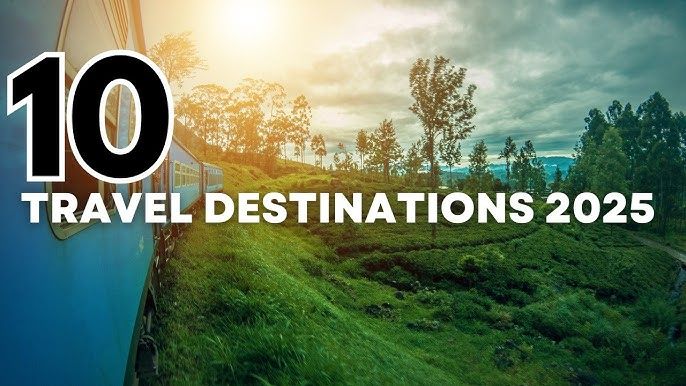
Top 10 Adventure Travel Destinations for 2025
| Rank | Destination | Top Adventure Activities |
|---|---|---|
| 1 | New Zealand | Bungee jumping, glacier hiking, skydiving |
| 2 | Nepal | Everest Base Camp trek, mountain biking |
| 3 | Costa Rica | Ziplining, rainforest treks, volcano tours |
| 4 | South Africa | Safari, cage diving with sharks |
| 5 | Canada (British Columbia) | Kayaking, rock climbing, snowshoeing |
| 6 | Iceland | Ice caving, glacier walks, volcano hikes |
| 7 | Peru | Inca Trail, Amazon exploration |
| 8 | Norway | Fjord kayaking, Northern Lights treks |
| 9 | Japan (Hokkaido) | Backcountry skiing, mountain trails |
| 10 | Slovenia | White-water rafting, alpine trekking |
Frequently Asked Questions (FAQs)
Q1: Is adventure travel safe for beginners?
Yes, many adventure activities are designed with beginners in mind. It's important to choose certified guides, understand the physical requirements, and check local safety standards.
Q2: What kind of insurance do I need for adventure travel?
You’ll need a travel insurance plan that specifically covers “adventure sports” or “hazardous activities,” which are often excluded in standard policies.
Q3: Can I go on an adventure trip solo?
Yes, solo adventure travel is increasingly common. However, in remote or high-risk areas, it’s advised to hire a local guide or join a group tour for safety.
Q4: What are the best months to travel for adventure activities?
It varies by region and activity. For instance, October–November is ideal for Himalayan trekking, while June August suits European alpine hiking. Always research destination-specific seasons.
Q5: How can I make sure my trip is eco-friendly?
Opt for eco-certified tour operators, avoid single-use plastics, stay in locally-run lodges, and respect wildlife and local customs.
Final Thoughts
Adventure travel continues to grow as a powerful way to connect with the world, challenge oneself, and experience new cultures. With the right preparation, understanding of local regulations, and respect for the environment, travelers can enjoy unforgettable adventures across the globe.
Whether you’re trekking through the Himalayas or diving off the coast of Iceland, every destination has its unique thrill. As technology and sustainable practices evolve, so too does the accessibility and depth of adventure travel experiences.
For your next vacation, why not swap city lights for starlit skies, hotel beds for mountain tents, and busy schedules for the rhythm of nature?