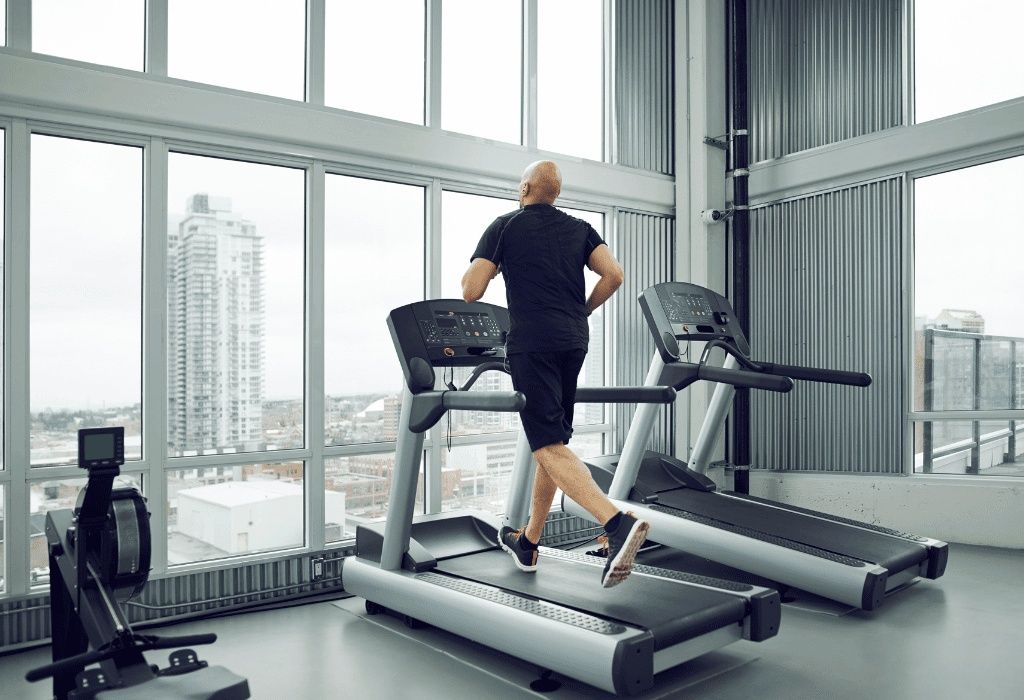
A treadmill is a stationary exercise device designed to support walking, jogging, or running in a controlled indoor environment. The basic concept involves a moving belt driven by a motor or manual force, allowing users to maintain continuous movement without changing location. Treadmills exist to provide a predictable, repeatable, and weather-independent way to perform cardiovascular activity.
The earliest treadmill concepts appeared in medical and rehabilitation settings, where controlled walking speed and incline were required for physical recovery. Over time, treadmills became common in fitness centers, homes, research labs, and training facilities. Today, they are widely recognized as a standard tool for aerobic activity tracking and movement-based exercise routines.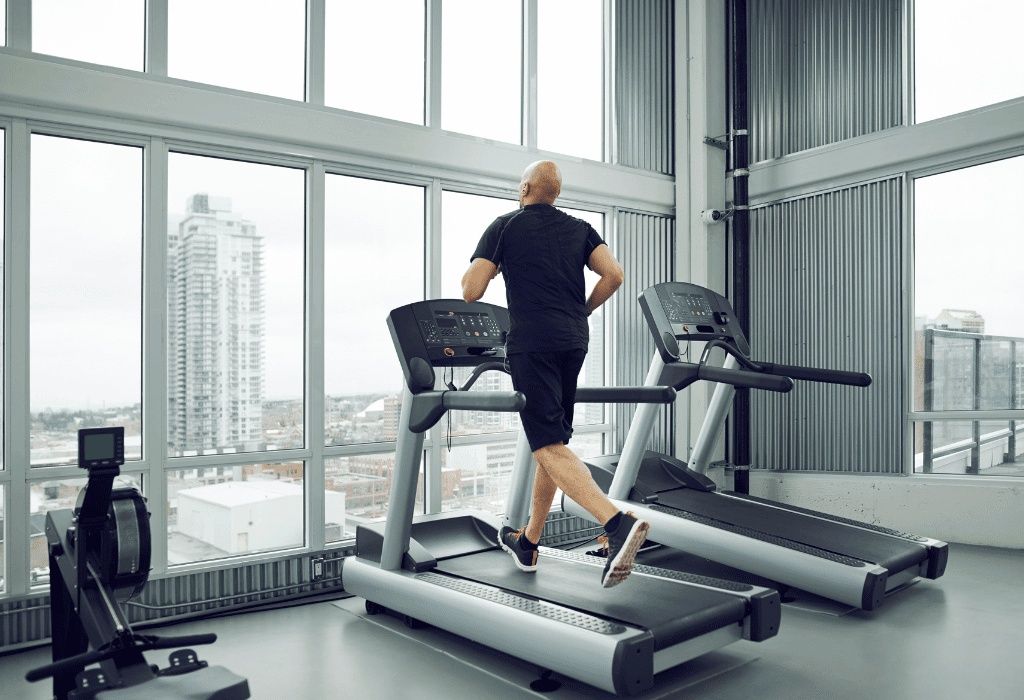
At a fundamental level, treadmills support consistent pacing, distance measurement, and activity monitoring. This consistency makes them useful for structured physical activity, endurance testing, and routine movement practice in limited spaces.
Why Treadmill Basics Matter Today
Understanding treadmill basics is increasingly relevant as sedentary lifestyles, remote work, and indoor fitness routines become more common. Many people rely on treadmills to maintain regular physical movement when outdoor conditions or schedules limit walking or running opportunities.
Treadmills matter today because they help address:
-
Limited access to safe outdoor walking or running areas
-
Inconsistent weather conditions affecting physical activity
-
Time-efficient movement routines within indoor environments
-
Controlled pace and distance measurement for tracking progress
-
Support for beginners learning steady walking or running rhythm
-
Low-impact alternatives when speed and incline are adjusted properly
They affect a wide range of individuals, including office workers, older adults, fitness learners, rehabilitation participants, and people managing structured activity goals. Treadmills also help solve the problem of irregular activity by offering predictable conditions that support habit formation and consistency.
By understanding treadmill basics, users can make informed decisions about posture, pace, duration, and safety while using the equipment.
How a Treadmill Works in Simple Terms
A treadmill consists of a belt, deck, motor (or manual mechanism), console, and support frame. When activated, the belt moves at a selected speed, requiring the user to walk or run in place to stay centered.
Key operational elements include:
-
Speed control that adjusts belt movement rate
-
Incline adjustment to simulate uphill walking
-
Shock absorption systems to reduce surface impact
-
Display panels showing time, distance, pace, and movement data
-
Safety features such as emergency stop mechanisms
The design allows users to regulate intensity while maintaining a consistent motion pattern. Some treadmills also support interval pacing, allowing variation between slower and faster movement segments.
Table: Common Treadmill Types and Characteristics
| Treadmill Type | Key Features | Typical Usage |
|---|---|---|
| Manual Treadmill | Belt moves with user effort | Basic walking routines |
| Motorized Treadmill | Electrically driven belt | Walking, jogging, running |
| Folding Treadmill | Space-efficient design | Home environments |
| Medical/Rehab Treadmill | Precision speed control | Physical therapy and assessment |
| Performance Treadmill | Advanced monitoring features | Endurance and pace training |
Recent Updates and Trends in Treadmill Technology
Over the past year, treadmill development has focused on user experience, digital integration, and movement efficiency. Between 2024 and early 2025, several notable trends have been observed across fitness technology discussions and equipment updates.
Recent developments include:
-
Increased use of digital displays with activity visualization
-
Integration of wearable-device connectivity for movement tracking
-
Improved shock-absorption systems to support joint comfort
-
Quieter motor designs for home-based environments
-
Enhanced incline range to simulate varied terrain
-
Adaptive pace features that adjust speed gradually
-
Focus on compact designs suitable for limited indoor spaces
Another emerging trend is data-driven movement feedback, where treadmills sync with applications to display walking or running patterns. These updates reflect a shift toward controlled, measurable, and user-aware activity environments.
Laws, Regulations, and Policy Considerations
Treadmills fall under general consumer safety and electrical equipment regulations rather than specialized fitness laws. Regulations vary by country, but most frameworks focus on product safety, electrical standards, and user protection.
Common regulatory considerations include:
-
Compliance with electrical safety and insulation standards
-
Mechanical stability requirements to prevent tipping
-
Emergency stop and user-safety mechanism inclusion
-
Material quality standards for belts and frames
-
Labeling requirements for usage instructions and warnings
In some regions, treadmills used in medical or rehabilitation settings may follow additional guidelines related to equipment calibration and monitoring accuracy. Public health programs promoting physical activity may also reference treadmills as indoor movement tools, especially in urban or high-density environments.
These policies aim to ensure that treadmills operate safely, reliably, and predictably for general users.
Tools, Resources, and Helpful References
Several tools and digital resources support treadmill understanding and activity planning. These tools focus on movement awareness, pacing, and routine structure rather than promotion.
Useful resources include:
-
Walking and running pace calculators
-
Step-count and distance estimation tools
-
Heart-rate monitoring charts for aerobic zones
-
Activity tracking applications compatible with treadmill data
-
Indoor walking plans for different fitness levels
-
Posture and stride guidance diagrams
-
Time-based interval templates for structured movement
Some treadmills also provide built-in dashboards that display pace consistency, incline variation, and session summaries. These resources help users better understand how movement intensity and duration interact.
Practical Tips for Understanding Treadmill Use
While treadmills are simple in concept, basic awareness improves comfort and safety.
Helpful insights include:
-
Start at lower speeds to establish balance and posture
-
Maintain an upright position without holding side rails continuously
-
Use gradual speed changes instead of sudden adjustments
-
Match stride length naturally rather than overreaching
-
Use incline sparingly to avoid excessive strain
-
Focus on steady breathing patterns
-
Stop immediately if dizziness or discomfort occurs
Understanding these basics supports effective and controlled treadmill use across experience levels.
Table: Speed Ranges and Typical Movement Patterns
| Speed Range | Movement Type | General Description |
|---|---|---|
| 2–4 km/h | Walking | Light, steady indoor movement |
| 4–6 km/h | Brisk walking | Increased pace and rhythm |
| 6–9 km/h | Jogging | Moderate continuous movement |
| 9+ km/h | Running | High-intensity movement |
Actual comfort levels vary based on individual ability and experience.
FAQs
What is the main purpose of a treadmill?
A treadmill provides a controlled indoor surface for walking or running while allowing users to regulate speed, incline, and duration.
Is treadmill walking different from outdoor walking?
Yes. Treadmill movement occurs on a moving belt, which can feel different from natural ground due to surface motion and lack of wind resistance.
How long should a typical treadmill session last?
Session length varies based on individual goals, but many routines range from 20 to 45 minutes of steady movement.
Are treadmills suitable for beginners?
Yes. Treadmills allow beginners to start at low speeds and gradually increase pace in a controlled setting.
Why do treadmills include incline settings?
Incline settings simulate uphill movement, engaging different muscle groups and increasing effort without increasing speed.
Conclusion
Treadmills remain one of the most widely recognized indoor movement tools due to their simplicity, adaptability, and controlled environment. By supporting consistent walking or running without reliance on outdoor conditions, they address modern challenges related to time, space, and routine disruption.
Understanding treadmill basics helps users move with confidence, awareness, and safety. Knowledge of speed control, posture, recent technology trends, and regulatory considerations allows individuals to use treadmills effectively as part of structured physical activity.
As movement habits continue to shift indoors, treadmills offer a practical way to maintain regular activity, measure progress, and develop consistent routines. When used with informed understanding, they serve as reliable tools for steady, repeatable movement across a wide range of users.