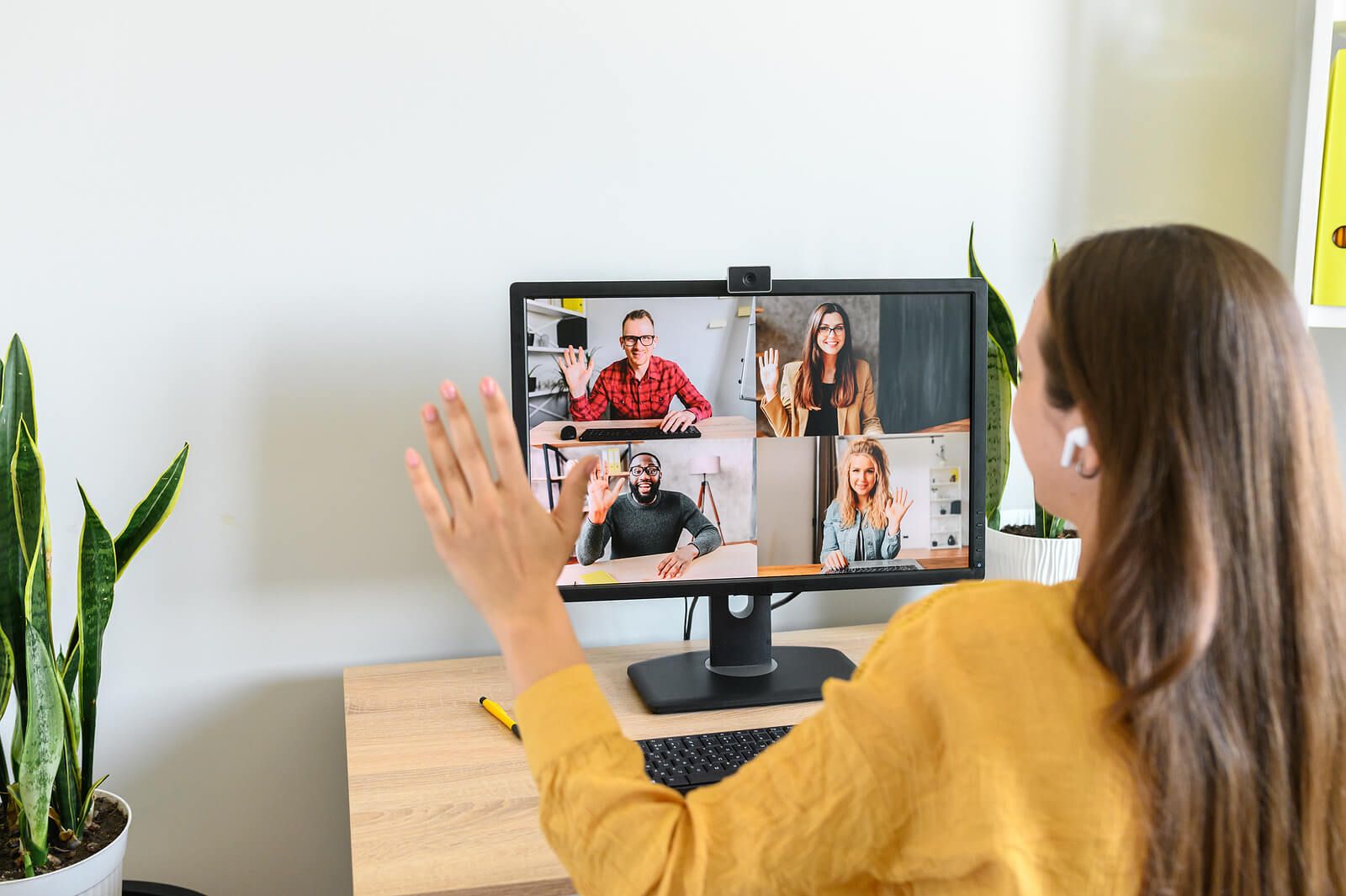
Virtual career fairs are online events where employers and job seekers interact through digital platforms instead of meeting in physical locations. These events typically include virtual booths, live or recorded presentations, chat functions, video interviews, and resume-sharing tools. They are designed to replicate the core functions of traditional career fairs networking, recruitment, and information exchange using internet-based technologies.
The concept of virtual career fairs gained traction as organizations sought more flexible and scalable hiring methods. Early versions appeared alongside the growth of video conferencing and professional networking platforms. Their adoption accelerated significantly when travel restrictions and remote work models made in-person hiring events difficult or impractical.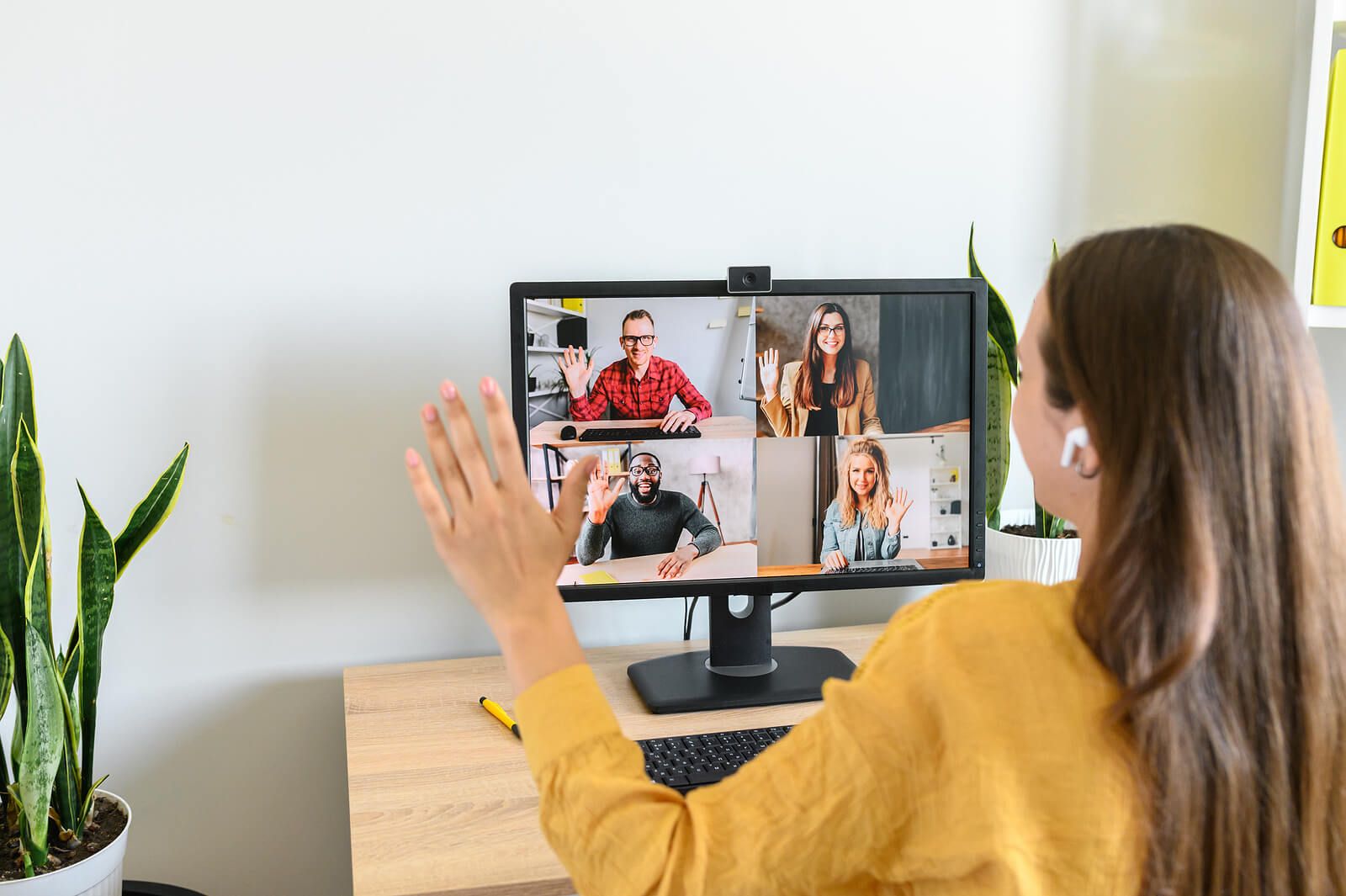
Today, virtual career fairs are used by universities, corporations, staffing agencies, and government bodies. They exist to reduce logistical barriers, expand geographic reach, and make recruitment more accessible for both employers and candidates.
Importance: Why Virtual Career Fairs Matter Today
Virtual career fairs play a meaningful role in modern employment ecosystems. They address several challenges associated with traditional recruitment methods while aligning with current workforce trends.
Who they affect
-
Job seekers, including students, recent graduates, and experienced professionals
-
Employers looking to hire across regions or at scale
-
Educational institutions supporting career placement
-
Workforce development agencies and public employment programs
Key problems they help solve
-
Geographic limitations: Candidates can connect with employers without travel costs.
-
Time constraints: Events can be attended from home or work, often with flexible schedules.
-
Access and inclusion: Individuals with mobility challenges or limited resources can participate more easily.
-
Hiring efficiency: Employers can screen, communicate, and follow up with candidates faster.
Virtual career fairs are particularly relevant in sectors that rely on distributed teams, remote work, or global talent pools. They also support sustainability goals by reducing travel-related emissions and physical infrastructure needs.
Recent Updates: Trends and Developments in the Past Year
Over the past year, virtual career fairs have continued to evolve, influenced by advances in technology and changing hiring practices.
Key trends observed in 2025–2026
-
Hybrid career fairs: Many organizations now combine virtual and in-person elements, allowing participants to choose their preferred format.
-
Improved platform features: AI-powered matchmaking, automated scheduling, and analytics dashboards have become more common.
-
Industry-specific events: There has been growth in niche virtual fairs focused on technology, healthcare, renewable energy, and skilled trades.
-
On-demand access: Some events now offer recorded sessions and extended access to employer booths beyond the live event dates.
In late 2024, several universities and large employers reported increased attendance at virtual fairs compared to fully in-person events, suggesting sustained interest rather than a temporary shift.
Laws or Policies: Regulatory and Policy Considerations
Virtual career fairs are influenced indirectly by employment laws, data protection regulations, and government workforce initiatives. While the events themselves are not usually regulated as a separate category, the activities conducted within them must comply with applicable rules.
Common regulatory considerations
-
Data protection and privacy: Platforms must comply with data protection laws such as GDPR in the European Union or comparable data privacy frameworks in other regions. This affects how resumes, chat logs, and personal data are stored and used.
-
Equal opportunity employment: Employers participating in virtual fairs are generally subject to the same non-discrimination and fair hiring laws as in traditional recruitment.
-
Accessibility standards: Public institutions and government-supported events often follow digital accessibility guidelines to ensure inclusive participation.
Government and public programs
-
Many labor departments and employment exchanges use virtual career fairs as part of job placement and reskilling initiatives.
-
Universities receiving public funding often integrate virtual fairs into their official career services.
Policies vary by country, but the overarching principle is that online recruitment must meet the same ethical and legal standards as offline hiring.
Tools and Resources: Platforms and Helpful Services
A range of tools and resources support the planning, hosting, and participation in virtual career fairs. These tools differ in complexity, scale, and intended audience.
Common types of tools
-
Virtual career fair platforms: Provide virtual booths, chat, video, and analytics features.
-
Video conferencing tools: Used for live interviews, panels, and presentations.
-
Resume builders and profile tools: Help candidates prepare standardized digital resumes.
-
Scheduling and calendar tools: Enable automated interview bookings across time zones.
Examples of useful resources
-
Online career portals managed by universities or employment agencies
-
Employer career pages linked to virtual fair booths
-
Templates for resumes, cover letters, and follow-up emails
-
Skill assessment and aptitude tools used during screening
| Tool Category | Primary Use | Typical Users |
|---|---|---|
| Virtual fair platforms | Hosting and managing events | Employers, universities |
| Video interview tools | Live candidate interaction | Recruiters, candidates |
| Resume tools | Document preparation | Job seekers |
| Scheduling tools | Interview coordination | HR teams |
These resources help standardize the experience and reduce friction for all participants.
Frequently Asked Questions (FAQs)
What is the difference between a virtual career fair and a job portal?
A virtual career fair is an event-based experience with real-time interaction, while a job portal is usually an ongoing listing of job openings without live engagement.
Do virtual career fairs replace in-person career fairs?
They do not fully replace them. Many organizations now use a hybrid approach, offering both formats to reach different audiences.
Are virtual career fairs suitable for all industries?
They are widely used across industries, though some roles that require hands-on demonstrations may still rely more on in-person recruitment.
How can job seekers prepare for a virtual career fair?
Preparation typically includes updating resumes, researching participating employers, testing technical setups, and preparing concise introductions.
Do employers treat virtual fair interactions the same as in-person ones?
In most cases, yes. Recruiters often evaluate candidates based on the same criteria, regardless of whether the interaction is virtual or physical.
Visual Overview: Virtual vs. Traditional Career Fairs
| Aspect | Virtual Career Fairs | Traditional Career Fairs |
|---|---|---|
| Location | Online | Physical venue |
| Cost | Generally lower | Higher (travel, venue) |
| Reach | Global or national | Local or regional |
| Flexibility | High | Limited |
| Environmental impact | Lower | Higher |
This comparison highlights why virtual formats remain relevant even as in-person events return.
Final Thoughts
Virtual career fairs have become a stable component of modern recruitment rather than a temporary alternative. They offer flexibility, broader access, and efficiency for both employers and job seekers. While they come with considerations around technology access and digital communication skills, ongoing platform improvements continue to address these challenges.
As hiring practices evolve, virtual career fairs are likely to remain part of a blended approach that combines digital convenience with human interaction. Understanding how they work, their benefits, and their limitations helps participants use them effectively and realistically.