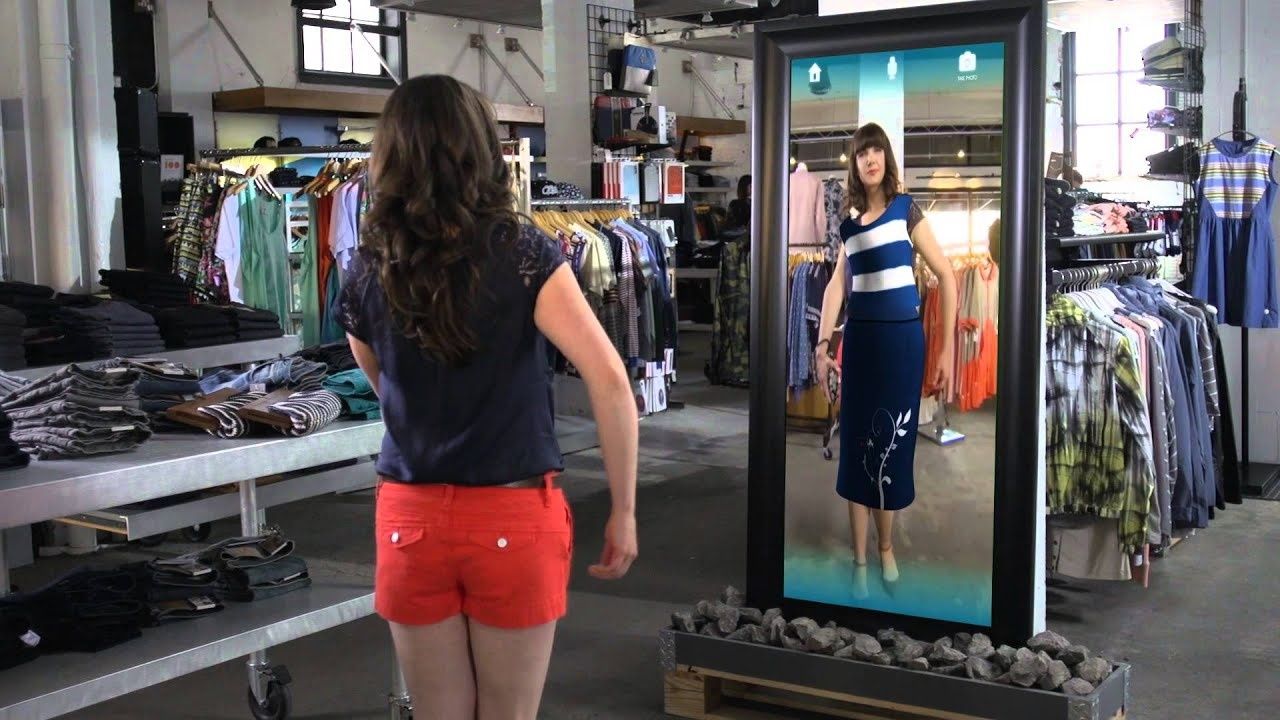
Virtual try-on clothing technology allows users to visualize how garments appear on a digital representation of the body using augmented reality (AR), artificial intelligence (AI), and computer vision. Instead of physically trying apparel, individuals view garments layered onto images, live camera feeds, or 3D avatars. This approach improves visual understanding of fit, color, and styling before making a selection.
The concept emerged as e-commerce expanded and physical fitting rooms became less accessible in digital environments. Retailers and technology developers sought ways to simulate real-world fitting experiences. Early versions relied on static image overlays, while modern systems integrate real-time body tracking, fabric physics simulation, and personalized size prediction.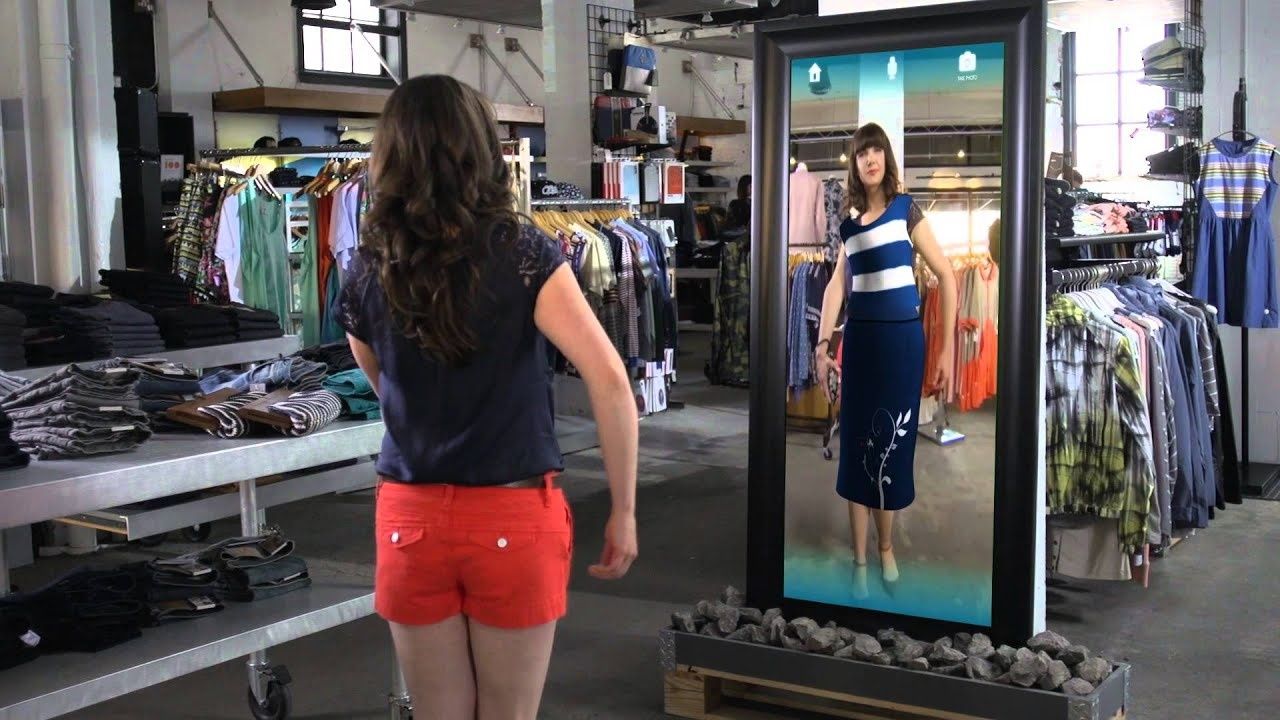
Virtual try-on exists to bridge the gap between physical retail experience and digital shopping environments. It supports decision clarity, reduces uncertainty in sizing, and improves confidence when viewing apparel remotely.
Why Virtual Try-On Technology Matters in Modern Retail
Digital commerce continues to grow globally, creating new challenges around size accuracy, style visualization, and user confidence. Virtual try-on systems help resolve these challenges by providing interactive visual confirmation.
Key reasons this technology matters include:
-
Improved visualization of garment appearance across different body types
-
Reduction in sizing uncertainty through AI sizing technology
-
Enhanced accessibility for remote shoppers
-
Greater personalization using body scanning and preference data
-
Lower environmental impact by minimizing unnecessary shipping cycles
-
Data-driven insights for product design and inventory planning
-
Support for inclusive representation across diverse body shapes
Stakeholders impacted include shoppers, fashion designers, supply planners, logistics analysts, and digital commerce strategists. Virtual try-on helps users make more informed selections while helping organizations refine sizing standards and demand forecasting.
This technology also supports emerging fields such as computer vision fashion analytics, immersive commerce design, and retail data intelligence.
Technology Foundation and How Virtual Try-On Works
Virtual try-on systems rely on several interlinked technologies:
-
Computer Vision: Detects body landmarks, posture, and motion in images or live video.
-
AI Modeling: Predicts garment fit, drape behavior, and size mapping.
-
3D Rendering Engines: Simulate fabric movement and lighting behavior.
-
Augmented Reality Layers: Overlay garments onto real-time camera feeds.
-
Cloud Analytics: Store fit metrics and user interaction data.
Typical operational flow
-
The camera captures body geometry or uploaded photos.
-
Body landmarks are mapped using AI pose detection.
-
Garment models are aligned to body coordinates.
-
Fabric physics adjusts stretch, fold, and movement.
-
The final composite is displayed in real time.
-
Interaction data is recorded for analytics.
This workflow enables dynamic visualization rather than static imagery.
Data Perspective and Measurement Indicators
Virtual try-on platforms generate valuable datasets used for operational optimization and analytics.
| Data Category | What Is Measured | Why It Matters |
|---|---|---|
| Body Geometry | Height, shoulder width, torso length | Improves size prediction accuracy |
| Interaction Time | Session duration, garment views | Indicates engagement strength |
| Fit Feedback | User confidence ratings | Supports product optimization |
| Conversion Signals | Click progression | Measures usability effectiveness |
| Fabric Simulation Accuracy | Rendering precision | Enhances realism |
Example Insight Trend (Illustrative)
| Metric | Baseline | After Virtual Try-On |
|---|---|---|
| Engagement Duration | Moderate | Higher |
| Size Mismatch Feedback | Higher | Lower |
| Visualization Clarity | Medium | High |
These patterns illustrate how immersive visualization can influence decision quality and behavioral confidence.
Recent Technology Developments and Market Evolution
The past year has seen rapid innovation in augmented reality retail and AI modeling.
Developments
-
Expansion of generative AI for realistic fabric simulation
-
Wider adoption of smartphone-based 3D body scanning
-
Improved low-light camera recognition accuracy
-
Edge processing for faster rendering without latency
-
Integration with voice navigation for accessibility
-
Increased research in digital twins for apparel fitting
Trends
-
Growth of cross-device compatibility for tablets and kiosks
-
Enhanced privacy-preserving on-device processing
-
Higher realism in cloth wrinkle modeling
-
Standardization efforts for virtual garment file formats
These improvements strengthen scalability and realism while supporting privacy-focused deployment.
Regulatory Awareness and Policy Considerations
Virtual try-on technology intersects with digital privacy, biometric data handling, and consumer data governance. Policies vary by country but generally address:
-
Biometric Data Protection: Body scans and facial mapping are classified as sensitive digital data.
-
Consent Transparency: Users must clearly understand how visual data is processed.
-
Data Storage Controls: Retention limits and encryption requirements apply.
-
Children’s Data Safeguards: Additional protections exist for minors.
-
Cross-Border Data Transfer Rules: Regional regulations govern cloud data movement.
-
Advertising Accuracy Standards: Visual representation must avoid misleading claims.
In India, frameworks such as the Digital Personal Data Protection Act emphasize lawful processing, data minimization, and user rights. In the EU, GDPR governs biometric processing. In the US, state-level biometric privacy laws guide compliance.
Organizations deploying virtual try-on systems align technology deployment with privacy engineering principles and cybersecurity controls.
Helpful Tools, Platforms, and Learning Resources
Several digital resources support exploration and understanding of virtual try-on ecosystems.
Technology Platforms
-
Augmented reality development toolkits
-
Computer vision SDKs for body tracking
-
3D garment modeling software
-
AI sizing algorithm frameworks
-
Cloud visualization dashboards
Learning Resources
-
Fashion technology research journals
-
AR developer documentation portals
-
Open datasets for pose detection research
-
UX testing frameworks for immersive interfaces
-
Retail analytics benchmarking reports
Operational Utilities
-
Device compatibility testing simulators
-
Latency performance measurement tools
-
Data visualization dashboards
-
Privacy impact assessment templates
These resources enable experimentation, evaluation, and continuous learning without reliance on proprietary ecosystems.
Practical Insights and Optimization Considerations
Successful adoption of virtual try-on technology benefits from structured planning and continuous calibration.
Data Accuracy Considerations
-
Maintain consistent lighting conditions for camera input
-
Validate body landmark accuracy across diverse demographics
-
Calibrate garment scaling models periodically
-
Monitor edge-case errors in posture recognition
User Experience Optimization
-
Keep interface navigation simple and intuitive
-
Provide clear garment rotation and zoom controls
-
Avoid excessive visual clutter in AR overlays
-
Ensure responsive loading performance
Privacy and Security Practices
-
Limit retention duration for biometric images
-
Apply encryption for stored visual data
-
Provide transparent data usage explanations
-
Enable user-controlled data deletion options
Analytics and Continuous Improvement
-
Track engagement metrics consistently
-
Compare fit feedback trends across garment categories
-
Monitor device performance compatibility
-
Evaluate seasonal usage patterns
These practices enhance reliability, trust, and system scalability.
Visual Comparison of Try-On Approaches
| Approach | Interaction Level | Accuracy | Scalability |
|---|---|---|---|
| Static Image Overlay | Low | Moderate | High |
| 2D Camera Overlay | Medium | Medium | High |
| 3D Avatar Simulation | High | High | Medium |
| Real-Time AR Modeling | Very High | High | Medium |
Each approach balances realism, computing demand, and deployment complexity.
FAQs
What is virtual try-on clothing technology?
It is a digital visualization system that uses AR and AI to display garments on a user’s image or avatar, helping visualize fit and style remotely.
Does virtual try-on measure body size accurately?
Accuracy depends on camera quality, lighting conditions, and algorithm calibration. Modern systems achieve strong approximation for general sizing guidance.
Is internet connectivity required for real-time try-on?
Some features rely on cloud processing, while newer systems support local edge rendering for faster performance.
How does virtual try-on support sustainability goals?
Improved visualization reduces unnecessary logistics cycles and material waste through more informed selection behavior.
Are personal images stored permanently?
Storage policies vary by platform and regulatory requirements. Many systems prioritize short retention windows and encryption.
Conclusion
Virtual try-on clothing technology represents a meaningful shift in how digital fashion visualization operates. By combining augmented reality retail systems, AI sizing technology, and computer vision fashion modeling, users gain clearer insight into garment appearance and fit before making decisions.
The technology addresses long-standing challenges such as sizing ambiguity, limited visualization depth, and reduced confidence in remote environments. Ongoing innovation continues to improve realism, data privacy alignment, and accessibility across devices.
As regulatory frameworks mature and computing capabilities advance, virtual try-on platforms are expected to integrate deeper analytics, higher realism, and stronger privacy protections. For general audiences and professionals alike, understanding this technology supports informed digital literacy and better appreciation of how immersive interfaces reshape modern retail ecosystems.