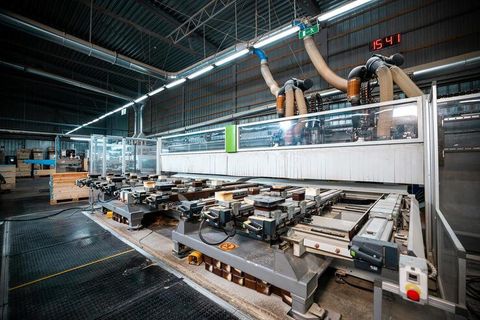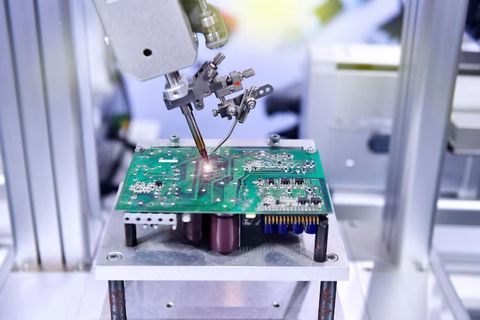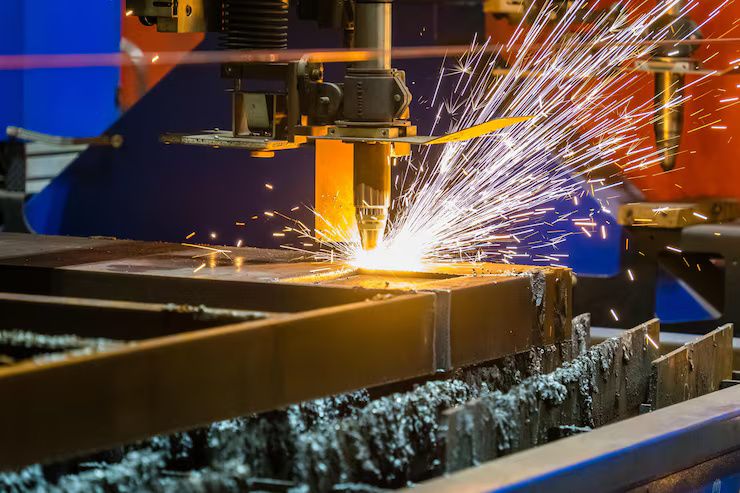
CNC milling machines are computer-controlled machining tools used to cut, shape, and form solid materials such as metal, plastic, wood, or composites. CNC stands for Computer Numerical Control, meaning the machine operates based on digital programming rather than manual hand adjustments. These machines use rotating cutting tools to remove material and create precise components for engineering, manufacturing, automotive, aerospace, electronics, and industrial applications.
CNC milling machines exist because modern manufacturing requires high precision, repeatability, and efficiency that manual processes cannot consistently achieve. While manual milling can handle simple tasks, it is limited by human error and slower production speeds. CNC technology enables accurate machining of complex shapes with consistent results.
These machines evolved from traditional mills into advanced systems with digital programming, servo motors, and CAD–CAM integration. Today, they include automated tool changers, sensors, and multi-axis movement, making them essential for modern engineering applications.
Importance: Why CNC Milling Machines Matter Today
CNC milling machines are fundamental in industries that require precision engineering and scalable production.
Who It Affects
- Mechanical and manufacturing engineers
- Industrial designers and product developers
- Aerospace and automotive industries
- Electronics and semiconductor manufacturers
- Medical device engineers
- Educational institutions teaching engineering
- Small workshops using digital machining
Why It Matters
CNC milling machines matter because they:
- Enable high-precision component manufacturing
- Improve speed and consistency in production
- Reduce errors compared to manual processes
- Support complex geometries and detailed designs
- Allow rapid prototyping and iterative development
- Scale manufacturing efficiently through automation
Problems It Helps Solve
- Inconsistent dimensions in manual machining
- Slow production of complex parts
- Difficulty creating curves, cavities, and contours
- Lack of repeatability in large-scale production
- Challenges maintaining tight tolerances
Manual vs CNC Milling
| Manual Milling | CNC Milling |
|---|---|
| Labor-intensive | Automated and efficient |
| Human-error dependent | Computer-controlled precision |
| Limited complexity | Multi-axis advanced machining |
| Slower production | Faster and scalable output |
| Single-tool operation | Automated tool changing |
Recent Updates and Trends (2024–2025)
CNC milling technology continues to evolve with digital and engineering innovations.
Multi-Axis Machining
Five-axis systems are increasingly used to produce complex surfaces with fewer setups.
AI-Assisted Machining
Artificial intelligence helps optimize toolpaths, predict errors, and improve cutting efficiency.
Digital Twin Technology
Virtual models simulate machining processes before production, reducing waste and improving accuracy.
Smart Sensors and Monitoring
Modern machines include sensors for vibration, temperature, and tool wear, enabling real-time adjustments.
Sustainable Machining
Energy-efficient motors and improved coolant systems support environmentally responsible production.
Hybrid Manufacturing
Some machines combine CNC milling with additive manufacturing, enabling both material removal and addition.
Laws and Policies: Regulatory Considerations (India Focus)
CNC milling operations are governed by safety, quality, and environmental regulations to ensure responsible manufacturing.
Key Regulatory Areas
- Machine safety measures such as guarding and emergency stops
- Operator training and certification practices
- Electrical and mechanical compliance standards
- Waste management and recycling of machining materials
- Quality control and adherence to engineering standards
These policies ensure safe operation, consistent product quality, and environmental responsibility.
Tools and Resources for CNC Milling
Various tools support programming, machining, and quality control in CNC operations.
Programming and Simulation Tools
- CAD–CAM software for toolpath generation
- G-code simulators
- Virtual machining platforms
- Part visualization tools
Measurement and Inspection Tools
- Digital calipers and micrometers
- Coordinate Measuring Machines (CMM)
- Surface roughness testers
- Tool wear monitoring instruments
Learning and Engineering Resources
- Material property databases
- Cutting speed and feed rate calculators
- CNC tutorials and guides
Monitoring and Optimization Tools
- Spindle load monitoring dashboards
- Tool life tracking systems
- Temperature compensation software
- Predictive maintenance analytics
Frequently Asked Questions
What is a CNC milling machine?
It is a computer-controlled machine that removes material to create precise shapes in various materials.
How is it different from manual milling?
CNC milling uses programmed instructions for accuracy, while manual milling relies on operator control.
Which industries use CNC milling?
Industries include automotive, aerospace, electronics, medical engineering, and manufacturing.
What skills are required?
Basic programming knowledge, understanding of materials, and safe machine operation are essential.
Are CNC machines safe?
Yes, when used with proper safety features and trained operators.
Conclusion: Precision and Automation in Manufacturing
CNC milling machines represent a key advancement in modern manufacturing, combining engineering precision with digital automation. They enable the production of complex, high-quality components used across multiple industries.
Recent trends such as AI optimization, sensor-based monitoring, hybrid manufacturing, and sustainability continue to enhance their capabilities. Understanding CNC milling provides insight into how advanced manufacturing systems achieve accuracy, efficiency, and innovation in today’s industrial landscape.