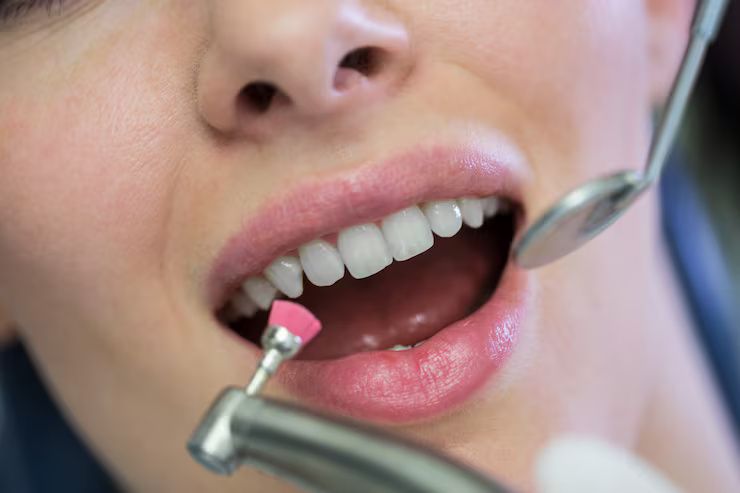
Dental cleaning is a preventive oral care practice focused on removing plaque, tartar, and surface stains from teeth. Oral health refers to the overall condition of the mouth, including teeth, gums, tongue, and supporting tissues. Together, these concepts exist to maintain normal mouth function, comfort, and hygiene while reducing the risk of oral diseases.
The human mouth naturally contains bacteria. When combined with food particles, these bacteria form plaque, a sticky film that adheres to tooth surfaces. If plaque is not regularly removed, it can harden into tartar, which is more difficult to manage with daily brushing alone. Dental cleaning addresses this buildup and supports healthier gums and teeth.
Oral health practices have developed alongside advances in medical knowledge. As understanding of bacteria, inflammation, and systemic health has grown, dental cleaning has become recognized as a key part of overall health maintenance rather than an isolated routine.
Importance: Why Dental Cleaning and Oral Health Matter Today
Oral health plays an important role in daily life, affecting eating, speaking, and social interaction. Dental cleaning supports oral hygiene by limiting bacterial buildup that can contribute to tooth decay and gum inflammation.
Key reasons this topic matters today include:
-
Prevention of common oral conditions
Regular plaque control helps reduce cavities and gum-related problems. -
Connection to overall health
Research continues to explore links between oral inflammation and broader health conditions. -
Quality of life
Healthy teeth and gums support comfort, confidence, and normal nutrition. -
Lifelong relevance
Oral health affects children, adults, and older populations differently, making preventive care important at every age. -
Public health awareness
Increasing awareness has highlighted oral hygiene as a basic health indicator.
As dietary patterns and lifestyles change, oral hygiene practices help address modern challenges such as increased sugar exposure and reduced natural tooth wear.
Recent Updates: Trends and Changes in the Past Year
In the past year, oral health education and dental cleaning practices have seen notable updates focused on prevention, technology, and accessibility.
Key developments during 2025 include:
-
Updated preventive care guidance (2025)
Health organizations emphasized consistent oral hygiene routines and early intervention for gum inflammation. -
Digital oral health education
Interactive tools and mobile-based learning resources gained attention for improving brushing and flossing habits. -
Minimally abrasive cleaning approaches
Greater emphasis has been placed on gentle techniques that protect enamel while controlling plaque. -
Awareness campaigns
Public health initiatives highlighted the role of oral hygiene in reducing long-term dental complications. -
Data-driven oral health monitoring
New research explored the use of indicators such as gum bleeding frequency to assess oral health trends.
These updates reflect a shift toward prevention-first strategies and patient education rather than reactive treatment.
Laws or Policies Influencing Oral Health in India
In India, oral health and dental hygiene are influenced by national health policies, professional guidelines, and public awareness programs.
Key influences include:
-
Public health guidance
Recommendations aligned with the World Health Organization promote oral health as part of general well-being. -
Professional standards
Clinical and educational guidelines from the Indian Dental Association support standardized dental hygiene practices. -
National health programs
Preventive oral health is included in broader non-communicable disease awareness efforts. -
School-based health education
Programs encourage early oral hygiene habits among children and adolescents.
These policies focus on awareness, prevention, and education rather than individual treatment outcomes.
Tools and Resources Supporting Oral Health Awareness
A variety of educational tools and practical resources help individuals understand and maintain oral hygiene effectively.
Commonly used resources include:
-
Oral hygiene tracking apps
Help users monitor brushing frequency and duration. -
Instructional guides and charts
Visual references showing correct brushing and flossing techniques. -
Electric toothbrush timers
Assist in maintaining recommended brushing times. -
Educational websites and knowledge portals
Provide evidence-based oral health information. -
Community oral health programs
Focus on awareness, screenings, and hygiene education.
These resources support informed daily habits and encourage consistency in oral care routines.
Common Oral Health Indicators
| Indicator | What It Suggests | Why It Matters |
|---|---|---|
| Plaque buildup | Incomplete cleaning | Increases cavity risk |
| Gum redness | Early inflammation | May progress if ignored |
| Bleeding gums | Gum irritation | Indicates hygiene gaps |
| Tooth sensitivity | Enamel or gum issues | Affects comfort |
| Persistent odor | Bacterial imbalance | Signals hygiene concern |
Daily Oral Hygiene Practices Overview
| Practice | Recommended Frequency | Purpose |
|---|---|---|
| Tooth brushing | Twice daily | Remove plaque |
| Flossing | Once daily | Clean between teeth |
| Rinsing | As advised | Reduce bacteria |
| Tongue cleaning | Daily | Control odor-causing bacteria |
| Routine checkups | Periodic | Monitor oral health |
FAQs: Dental Cleaning and Oral Health
What is dental cleaning?
Dental cleaning focuses on removing plaque and hardened deposits from teeth to support gum and tooth health.
How does plaque affect oral health?
Plaque contains bacteria that can weaken enamel and irritate gums if not regularly removed.
Is gum bleeding always a concern?
Occasional bleeding can occur, but persistent bleeding often indicates gum inflammation and hygiene gaps.
How often should oral hygiene routines be followed?
Daily routines such as brushing and flossing help maintain consistent oral cleanliness.
Can oral health affect overall well-being?
Oral health is increasingly recognized as part of general health due to links with inflammation and nutrition.
Conclusion
Dental cleaning and oral health are essential components of everyday well-being. By managing plaque and supporting healthy gums, individuals can reduce the risk of common oral conditions and maintain comfort throughout life. Recent trends emphasize prevention, education, and gentle care approaches, reinforcing the value of consistent oral hygiene habits.
In India, supportive policies and professional guidance continue to promote awareness and early care. Understanding dental cleaning not only improves oral hygiene knowledge but also highlights the broader role of oral health in maintaining overall quality of life.
Disclaimer: The information provided in this article is for informational purposes only. We do not make any claims or guarantees regarding the accuracy, reliability, or completeness of the information presented. The content is not intended as professional advice and should not be relied upon as such. Readers are encouraged to conduct their own research and consult with appropriate professionals before making any decisions based on the information provided in this article.