Machinery safety standards are structured guidelines and technical rules designed to reduce risks associated with operating machines in industrial and workplace environments. They exist to help ensure that machinery is designed, installed, operated, and maintained in ways that protect people, property, and surrounding systems. As machinery became more complex and powerful during industrial development, the need for consistent safety practices became increasingly clear.
Machinery safety standards are developed through collaboration between engineers, safety experts, regulators, and industry organizations. They define acceptable safety levels for machine components, control systems, emergency functions, and operating procedures. These standards apply across a wide range of equipment, from simple tools to advanced automated systems.
In educational and technical contexts, these standards are considered foundational knowledge. They explain how engineering decisions translate into real-world risk reduction and safe industrial environments.
Importance: Why Machinery Safety Standards Matter
Machinery safety standards are essential because machines are central to modern production, infrastructure, and logistics. Without clear safety frameworks, industrial environments would pose significantly higher risks.
Key Reasons This Topic Matters
Machinery safety standards are important because they:
- Protect workers from injuries and hazards
- Improve operational reliability and predictability
- Support effective risk management practices
- Ensure consistency across industries and regions
These standards affect designers, operators, safety managers, regulators, and educators. They also indirectly support public safety by ensuring stable and reliable industrial systems.
Recent Developments and Trends
Machinery safety standards have evolved during 2024 and 2025 to address automation, documentation, and human-machine interaction.
Automation Safety
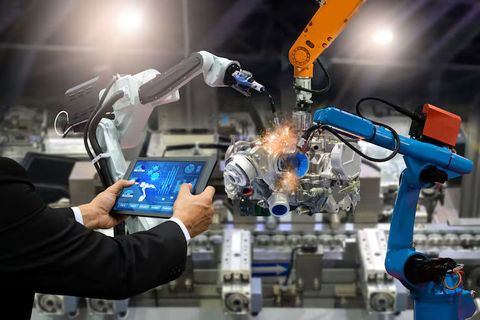
In early 2024, updated guidance focused on safeguarding automated and robotic systems, including safe zones and emergency controls.
Risk Assessment Focus
Mid-2024 emphasized lifecycle-based risk assessment, ensuring safety from design through decommissioning.
Human-Machine Interfaces
Late 2024 brought increased attention to interface design, including touchscreens and control systems, to reduce operator errors.
Digital Documentation
Improved digital tools have enhanced safety recordkeeping and consistency in compliance processes.
Trends Overview
| Trend Area | Description | Timeframe |
|---|---|---|
| Automation safety | Focus on robotic systems and safeguards | Early 2024 |
| Risk assessment | Lifecycle-based evaluation | Mid 2024 |
| Interface safety | Improved human-machine interaction design | Late 2024 |
| Digital documentation | Enhanced safety records and tracking | 2023–2024 |
Laws and Regulations: Safety Frameworks
Machinery safety standards are closely linked to legal and regulatory frameworks that define minimum safety requirements.
Regulatory Influence
In the United States, safety practices are influenced by the Occupational Safety and Health Administration, which defines employer responsibilities for safe machine operation.
Internationally, the International Organization for Standardization publishes harmonized standards that guide safety practices across industries.
Key Regulatory Areas
- Machine guarding and hazard prevention
- Operator training and safety procedures
- Risk assessment and documentation
- Compliance with safety and environmental requirements
Tools and Resources for Safety Standards
Various tools help interpret and apply machinery safety standards effectively. These resources support hazard identification, compliance, and training.
Useful Tools and References
- Risk assessment templates
- Safety standards databases
- Machine guarding guides
- Training manuals and safety programs
- Regulatory authority websites
Common Safety Measures
| Safety Measure | Purpose | Example |
|---|---|---|
| Machine guarding | Prevent contact with hazards | Fixed or interlocked guards |
| Emergency controls | Enable rapid shutdown | Emergency stop buttons |
| Warning systems | Alert operators | Visual or audible signals |
| Control reliability | Prevent unintended motion | Redundant safety circuits |
Frequently Asked Questions
What are machinery safety standards?
They are guidelines and technical rules designed to reduce risks associated with machine operation and maintenance.
Who develops these standards?
They are created by industry experts, standards organizations, and regulatory bodies.
Are these standards legally required?
In many cases, they are referenced by law or used to demonstrate compliance with safety regulations.
Do they apply to all machines?
Yes, though specific requirements vary depending on machine type and environment.
Why are safety reviews important?
Regular reviews ensure machines remain safe as conditions and technologies change.
Conclusion: Safety as a Foundation of Industry
Machinery safety standards provide structured guidance for designing, operating, and maintaining equipment safely. They help reduce risks, improve reliability, and support compliance across industries.
Recent developments highlight growing attention to automation, human-machine interaction, and lifecycle risk assessment. Understanding these standards offers valuable insight into how industrial environments manage safety and ensure consistent operations.