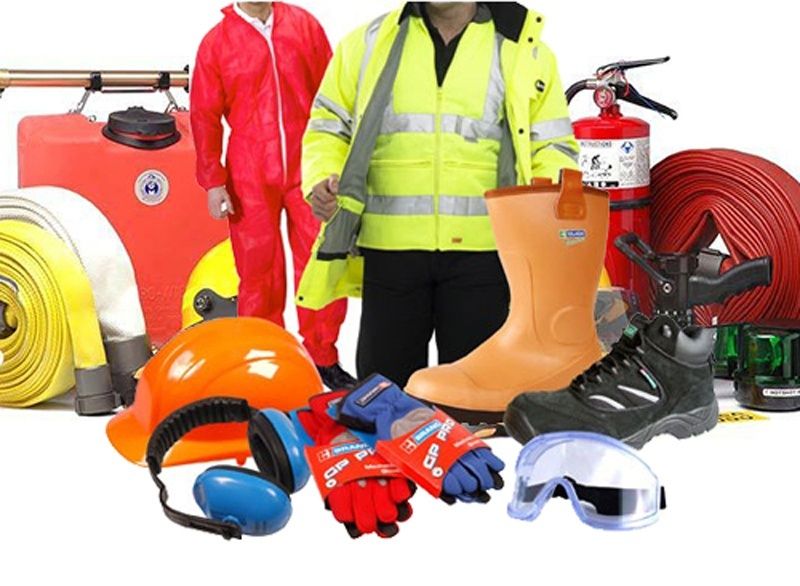
Factory safety equipment refers to the tools, systems, and protective gear used to reduce risks in industrial and manufacturing environments. Factories often involve heavy machinery, electrical systems, high temperatures, chemicals, and moving components. Without proper safety measures, these environments can pose serious hazards to workers.
The concept of workplace protection developed alongside industrial growth. As production volumes increased and machinery became more complex, the need for structured safety protocols became essential. Factory safety equipment helps control exposure to risks, prevent accidents, and create a safer working environment.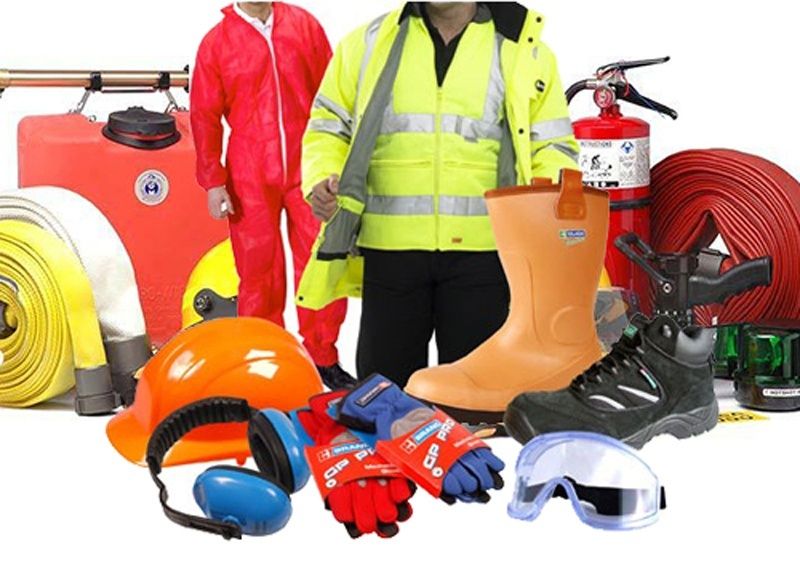
This guide explains the basics of industrial safety equipment, the role of personal protective equipment (PPE), and how different safety tools contribute to overall workplace protection. Understanding these elements supports better awareness of industrial safety standards and risk prevention practices.
Importance: Why Factory Safety Equipment Matters in Modern Workplaces
Factory safety equipment plays a central role in protecting workers, maintaining operational stability, and supporting compliance with occupational safety regulations. It affects employees, supervisors, facility managers, and safety officers responsible for maintaining safe working conditions.
Key reasons workplace safety equipment is important include:
-
Injury prevention: Proper PPE and protective systems reduce exposure to physical, chemical, and electrical hazards.
-
Operational continuity: Fewer accidents contribute to stable production workflows.
-
Regulatory compliance: Industrial safety equipment supports adherence to occupational safety standards.
-
Workplace confidence: A safe environment improves morale and trust among workers.
-
Risk mitigation: Safety systems reduce the likelihood of costly disruptions or damage.
In industries such as manufacturing, construction materials, metal fabrication, food processing, and chemical production, industrial safety equipment is essential for maintaining structured and controlled operations.
Core Categories of Factory Safety Equipment
Factory safety equipment can be grouped into several categories depending on the type of risk being addressed.
| Category | Purpose | Example Equipment |
|---|---|---|
| Personal Protective Equipment (PPE) | Protect individual workers | Helmets, gloves, safety goggles |
| Machine Guarding Systems | Prevent contact with moving parts | Fixed guards, interlocks |
| Fire Protection Equipment | Control fire risks | Fire extinguishers, alarms |
| Electrical Safety Devices | Reduce electrical hazards | Insulated tools, lockout devices |
| Emergency Response Tools | Support rapid response | First aid kits, emergency showers |
These categories illustrate how workplace safety equipment functions at both individual and system levels.
Personal Protective Equipment (PPE) in Industrial Settings
Personal protective equipment (PPE) forms a critical part of factory safety strategies. PPE is designed to shield workers from specific hazards that cannot be eliminated through engineering controls alone.
Common types of PPE used in factories include:
-
Head protection: Hard hats for protection against falling objects.
-
Eye and face protection: Safety goggles and face shields for shielding against debris or chemicals.
-
Hand protection: Industrial gloves designed for mechanical or chemical resistance.
-
Respiratory protection: Masks or respirators for environments with dust or fumes.
-
Foot protection: Safety shoes with reinforced toes and slip-resistant soles.
-
Hearing protection: Earplugs or earmuffs in high-noise environments.
The appropriate selection of PPE depends on risk assessment and hazard identification within the factory environment.
Recent Updates in Workplace Protection Practices
Recent developments in factory safety equipment focus on technology integration, improved ergonomics, and enhanced monitoring capabilities.
Notable trends observed in recent periods include:
-
Smart PPE systems: Wearable devices that monitor environmental exposure and worker movement.
-
Improved material technology: Lighter, more durable protective materials enhance comfort and compliance.
-
Integrated safety monitoring: Digital dashboards track safety incidents and equipment status.
-
Automation and robotics: Reduced human exposure to hazardous processes through automated systems.
-
Enhanced training tools: Digital simulations to improve hazard awareness.
These advancements reflect a broader shift toward proactive risk management and data-driven workplace safety systems.
Laws or Policies Governing Industrial Safety Equipment
Factory safety equipment is influenced by occupational health and safety regulations that vary by country. These regulations establish minimum requirements for workplace protection and risk control.
Common regulatory elements include:
-
Occupational safety standards: Requirements for hazard identification and protective equipment use.
-
Machine safety guidelines: Rules regarding guarding and emergency stop systems.
-
Fire safety regulations: Mandatory fire detection and suppression systems.
-
Workplace inspection protocols: Regular evaluations to ensure compliance with safety standards.
-
Training requirements: Mandatory safety training for workers in hazardous environments.
Compliance with these regulations ensures that industrial safety equipment aligns with legal and ethical workplace expectations.
Tools and Resources for Managing Workplace Safety
Several tools and reference materials support effective implementation of factory safety equipment and workplace protection strategies.
Commonly used resources include:
-
Risk assessment templates: Structured formats for identifying workplace hazards.
-
Safety audit checklists: Tools for evaluating compliance with safety standards.
-
Incident reporting systems: Platforms for documenting and analyzing workplace incidents.
-
Training modules: Educational materials focused on PPE and hazard awareness.
-
Safety signage guides: References for standardized warning symbols and instructions.
These tools assist organizations in maintaining structured and measurable workplace safety programs.
FAQs: Common Questions About Factory Safety Equipment
What is factory safety equipment?
Factory safety equipment includes protective gear and systems designed to reduce workplace hazards and protect employees.
Is PPE enough to ensure workplace safety?
PPE is one part of a broader safety strategy that also includes engineering controls and administrative procedures.
Why are machine guards important in factories?
Machine guards prevent accidental contact with moving parts, reducing injury risks.
How often should safety equipment be inspected?
Inspection frequency depends on regulatory requirements and internal safety policies, but regular checks are essential.
Who is responsible for workplace protection?
Responsibility is shared among employers, safety officers, and employees, with each playing a role in maintaining safe conditions.
Conclusion
Factory safety equipment is a fundamental component of industrial operations, supporting both worker protection and operational reliability. By combining personal protective equipment, machine safeguards, fire protection systems, and structured safety procedures, factories can reduce risks and maintain compliance with occupational standards. As technology continues to enhance workplace monitoring and automation, the role of industrial safety equipment remains central to building safer and more resilient manufacturing environments.