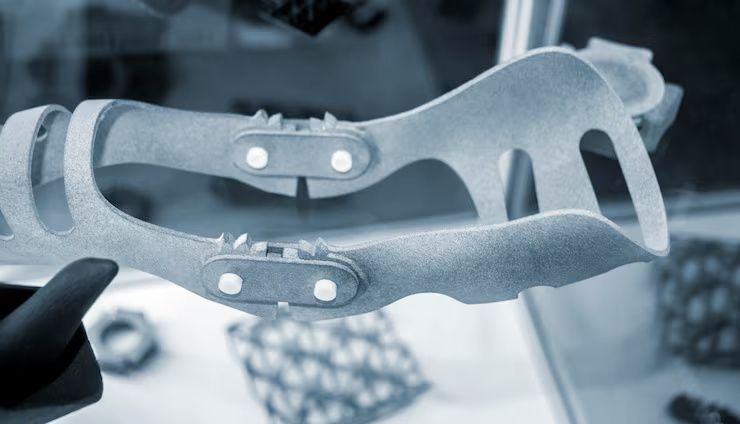
Femoral component manufacturing refers to the production of artificial implants used in hip replacement procedures. These components are designed to replace the femoral head, which is the upper part of the thigh bone that connects to the hip joint.
This manufacturing process combines medical science with precision engineering. The goal is to create implants that match the natural shape and function of the human hip. These components must be durable, biocompatible, and capable of supporting body weight and movement over long periods.
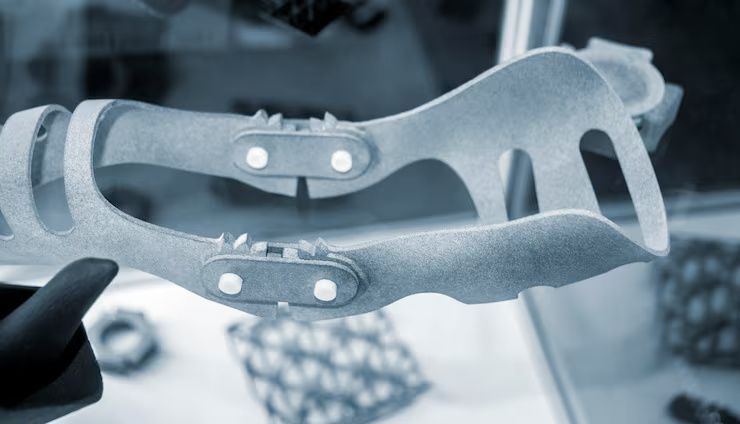
The need for femoral components arises from conditions such as joint degeneration, fractures, or diseases that affect mobility. Manufacturing these components requires advanced techniques to ensure accuracy, safety, and long-term performance.
Importance: Why Femoral Component Manufacturing Matters in Orthopedic Care
Femoral component manufacturing plays a key role in modern orthopedic treatment. It directly supports procedures that restore mobility and improve quality of life for individuals with hip joint issues.
One important factor is precision. Even small variations in implant design can affect joint movement and comfort. Accurate manufacturing ensures proper fit and alignment within the body.
Another critical aspect is durability. Implants must withstand continuous stress from walking, standing, and other activities. High-quality materials and engineering help extend the lifespan of these components.
The process also supports medical advancements. As technology improves, newer designs and materials are developed to enhance performance and reduce complications.
Key benefits include:
- Improved mobility: helps restore natural movement
- Long-term reliability: designed to function under repeated stress
- Customization: components can be tailored to patient anatomy
- Medical support: assists in treating joint-related conditions
These factors highlight the importance of precision engineering in healthcare applications.
Recent Updates: Trends in Femoral Component Manufacturing Technology
Femoral component manufacturing has evolved with advancements in medical technology and engineering. One major trend is the use of 3D printing in implant production.
3D printing allows for customized implants that closely match a patient’s anatomy. This improves fit and can enhance recovery outcomes. It also enables rapid prototyping and design testing.
Another development is the use of advanced materials. Modern implants often use alloys and ceramics that offer improved strength and wear resistance.
Digital design tools are also becoming more common. Computer-aided design (CAD) and simulation software help engineers test implant performance before manufacturing.
Additional trends include:
- Surface coating technologies to improve bone integration
- Minimally invasive implant designs
- Robotic-assisted manufacturing for higher precision
- Improved sterilization and quality control methods
These innovations are shaping the future of orthopedic implant manufacturing.
Laws or Policies: Regulatory Standards in Medical Device Manufacturing
Femoral component manufacturing is governed by strict regulations to ensure safety and effectiveness. Medical devices must meet established standards before they can be used in healthcare settings.
In India, medical devices are regulated under guidelines set by the Central Drugs Standard Control Organization (CDSCO). These regulations define requirements for manufacturing, testing, and approval.
International standards also apply, including ISO certifications for medical devices. These standards ensure consistent quality and safety across global markets.
Key regulatory considerations include:
- Material safety and biocompatibility testing
- Clinical evaluation and performance validation
- Manufacturing quality control systems
- Compliance with sterilization and packaging standards
These regulations help ensure that femoral components are safe for use in medical procedures.
Tools and Resources: Technologies Supporting Precision Manufacturing
Various tools and technologies are used in femoral component manufacturing to achieve high levels of precision and quality.
Computer-aided design (CAD) software is used to create detailed models of implants. These models help engineers design components that match anatomical requirements.
Computer-aided manufacturing (CAM) systems convert designs into production instructions. These systems guide machines to produce components with high accuracy.
Other important resources include:
- CNC machining: produces precise and consistent implant shapes
- 3D printing systems: enable customized implant production
- Quality inspection tools: ensure dimensional accuracy and surface finish
- Material testing equipment: evaluates strength and durability
These tools support efficient and accurate manufacturing processes.
FAQs - Common Questions About Femoral Component Manufacturing
Q.1. What is a femoral component in medical applications?
A femoral component is an artificial implant used in hip replacement procedures to replace the upper part of the thigh bone.
Q.2. What materials are used in femoral component manufacturing?
Common materials include metal alloys, ceramics, and specialized polymers that are strong and biocompatible.
Q.3. How are femoral components manufactured?
They are produced using techniques such as CNC machining, 3D printing, and precision engineering processes.
Q.4. Why is precision important in femoral component manufacturing?
Precision ensures proper fit, joint movement, and long-term performance of the implant.
Q.5. Are femoral components safe for long-term use?
They are designed and tested to meet strict medical standards, ensuring safety and durability over time.
Conclusion: Key Takeaways on Femoral Component Manufacturing
Femoral component manufacturing is a critical part of modern orthopedic care, combining medical science with advanced engineering. It focuses on creating durable, precise, and biocompatible implants for hip replacement procedures. Technological advancements continue to improve design, materials, and production methods. Regulatory standards ensure safety and reliability in medical applications. Understanding this process highlights its importance in improving patient mobility and healthcare outcomes.