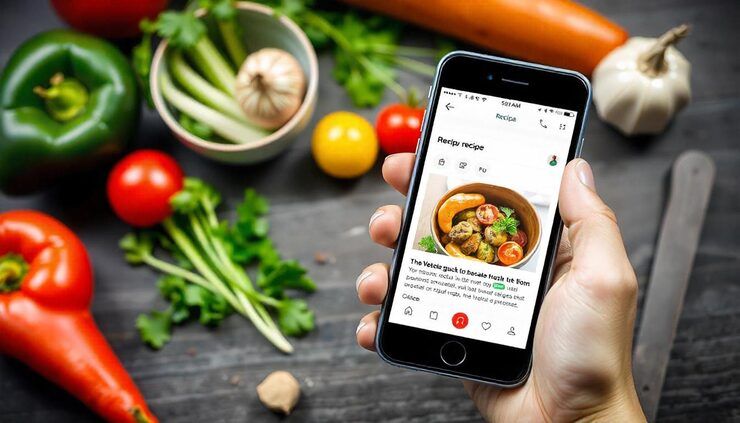
Finding the right recipe can make everyday cooking much easier. Whether you are planning a quick weekday meal, learning basic cooking skills, trying a new cuisine, or looking for healthier meal ideas, recipe apps can put a large collection of cooking information in one convenient place.
However, not every recipe app works in the same way. Some focus on simple meal discovery, while others emphasize meal planning, ingredient management, cooking instructions, nutrition information, or personalized recommendations. Understanding these differences can help you find an app that matches the way you actually cook.
What Is a Recipe App?
A recipe app is a digital application designed to help people discover, organize, and prepare food. Most recipe apps contain collections of recipes that can be searched according to ingredients, meal types, cuisines, cooking methods, dietary preferences, or preparation time.
Many apps also provide step-by-step instructions, ingredient lists, cooking times, serving information, and photographs. More advanced platforms may include meal planning calendars, shopping list features, recipe saving, nutritional details, and personalized recommendations.
The main purpose is to reduce the effort involved in deciding what to cook and understanding how to prepare it.
Why People Use Recipe Apps
Choosing a meal every day can become repetitive and time-consuming. Recipe apps help solve this problem by making meal discovery more structured. Instead of searching through unrelated web pages or keeping recipes in different places, users can explore cooking ideas through a single application.
Recipe apps can also be useful for people who are developing their cooking skills. A beginner may benefit from clearly explained preparation steps, cooking temperatures, ingredient measurements, and timing guidance.
For experienced cooks, the value may be different. They may use an app to discover unfamiliar cuisines, experiment with new ingredients, organize favorite recipes, or plan meals for several days.
The usefulness of a recipe app therefore depends less on the number of recipes it contains and more on how easily those recipes fit a person's cooking habits.
Features to Look for When You Find Recipe Apps
A good recipe discovery experience begins with search and filtering. Look for apps that allow recipes to be found by ingredient, cuisine, meal category, preparation time, or cooking method. This becomes particularly useful when you already have certain ingredients available and want ideas for using them.
Step-by-step instructions are another important feature. Clear instructions should explain preparation and cooking stages in a logical order. Recipes are easier to follow when measurements, temperatures, timing, and techniques are presented consistently.
Recipe organization can also make a significant difference. Features such as favorites, saved recipes, collections, or personal notes allow users to build their own cooking library. Instead of repeatedly searching for the same recipe, users can return to recipes they already know and enjoy.
Meal planning is useful for people who prepare food for several days at once. A planning feature can help organize breakfast, lunch, dinner, or snacks across a specific period. Some apps can also turn planned recipes into ingredient lists, which can make preparation more systematic.
Search by Ingredients and Dietary Preferences
One of the most useful ways to find recipes is by starting with ingredients rather than a specific dish. For example, someone with vegetables, rice, eggs, or chicken at home may want to discover recipes that use those ingredients.
Ingredient-based search can reduce food waste because it encourages users to consider what they already have before choosing additional ingredients.
Dietary filters can also improve recipe discovery. Depending on the app, users may find categories related to vegetarian, vegan, gluten-free, dairy-free, low-carbohydrate, high-protein, or other dietary approaches.
These filters should be treated as discovery tools rather than guarantees. People with medically necessary dietary restrictions should always check individual ingredients, preparation methods, and possible cross-contact considerations rather than relying solely on an app's category label.
Recipe Apps for Different Types of Cooks
Beginners often benefit from simplicity. An app with clear instructions, basic recipes, ingredient explanations, and straightforward cooking techniques can be easier to use than one overloaded with advanced features.
Busy households may place greater importance on quick meal ideas and meal planning. Recipes that clearly communicate preparation and cooking time can make it easier to decide whether a dish fits into a particular schedule.
People interested in healthy eating may focus on nutritional information and ingredient quality. However, nutritional values can vary depending on brands, portions, substitutions, and preparation methods, so information provided by an app should generally be viewed as an estimate.
Home cooks who enjoy experimentation may prefer apps with broad cuisine coverage. Exploring recipes from different culinary traditions can introduce new ingredients, techniques, spices, and preparation styles.
Consider Recipe Quality, Not Just Quantity
A large recipe database may look impressive, but quantity alone does not determine usefulness. A smaller collection of well-organized, clearly written recipes can sometimes provide a better experience than thousands of difficult-to-navigate options.
Pay attention to how recipes explain unfamiliar techniques and whether instructions follow a logical sequence. Ingredient measurements should be understandable, and preparation details should be sufficiently clear for the intended audience.
It is also helpful when recipes distinguish between preparation time and cooking time. This gives a more realistic picture of how long a meal may take from beginning to completion.
User ratings and comments can provide additional context, but they should not be treated as absolute proof that a recipe will work for everyone. Cooking equipment, ingredient substitutions, experience levels, and personal preferences can all influence results.
Recipe Organization and Meal Planning
A recipe app becomes more useful when it helps transform inspiration into an organized cooking routine. Saving favorite meals is a simple starting point, but planning tools can take the process further.
For example, users can create a weekly meal plan based on their schedule and preferences. A recipe collection might include quick weekday meals, weekend cooking projects, breakfast options, or family favorites.
Shopping-list integration can also simplify preparation. When ingredients from multiple recipes are combined into one list, users can better understand what needs to be prepared before cooking begins.
The best organization system is one that requires little effort. If saving, editing, or retrieving recipes is complicated, users may stop using the feature.
Privacy, Permissions, and Ease of Use
When choosing any mobile application, it is sensible to consider what information it requests and which permissions it needs. A recipe app generally does not need extensive access to unrelated device features for its core cooking functions.
Ease of navigation is equally important. Search should be straightforward, recipe pages should be readable, and important information should not be difficult to locate. A cluttered interface can make cooking more frustrating, especially when users are trying to follow instructions while preparing food.
Offline access can also be useful in situations where an internet connection is unreliable. If an app supports offline recipes, users can check saved instructions without depending on continuous connectivity.
How to Find the Right Recipe App for You
Start by identifying the problem you want the app to solve. If your main goal is discovering new meals, prioritize recipe search and variety. If planning is your biggest challenge, look for meal-planning and organization features.
If you frequently cook with ingredients already available at home, ingredient-based search may be particularly valuable. If you are learning to cook, prioritize clear instructions and beginner-friendly recipes.
It can also help to test how quickly you can perform common tasks. Try searching for a specific meal, saving a recipe, changing servings, finding an ingredient-based recipe, and returning to a saved recipe. These simple actions reveal whether the app fits your everyday routine.
Making Recipe Apps More Useful
A recipe app works best when it becomes part of a practical cooking routine. Instead of browsing endlessly, users can create a small collection of reliable recipes and gradually expand it.
Keeping favorite recipes organized by meal type, cuisine, or preparation time can make future searches faster. Users can also experiment with substitutions when appropriate, while remembering that changing ingredients may affect texture, cooking time, flavor, or nutritional information.
Over time, the most valuable recipe collection is not necessarily the largest one. It is the collection that helps you decide what to cook, understand how to prepare it, and return to meals that fit your preferences.
Final Thoughts
Finding recipe apps is easy, but finding one that genuinely fits your cooking style requires a little more consideration. Search tools, recipe quality, clear instructions, ingredient discovery, meal planning, organization, and usability all influence the overall experience.
The right choice depends on your individual needs. Beginners may prioritize simple instructions, busy cooks may value planning tools, and experienced home cooks may want broader culinary discovery. By focusing on the features you will actually use, you can find a recipe app that makes meal discovery and everyday cooking more organized, practical, and enjoyable.