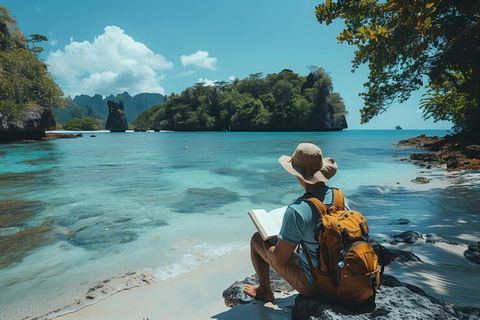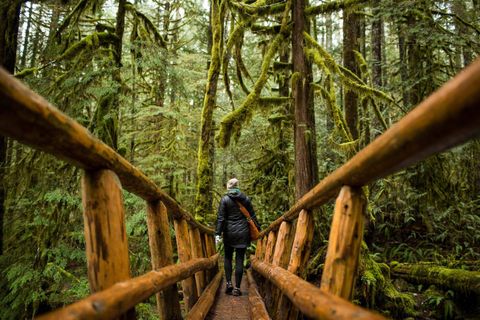
Finding your next adventure begins with discovering what makes a journey meaningful to you. For some people, it means exploring a distant destination, hiking through mountains, or visiting a national park. For others, it may involve discovering a historic town, experiencing a new culture, taking a scenic road trip, or enjoying a peaceful weekend away from everyday routines.
An adventure does not have to involve extreme activities or complicated travel arrangements. It can be a short local excursion, a nature walk, a cultural visit, or a carefully planned international trip. The most suitable experience depends on your interests, available time, comfort level, and travel preferences.
Planning an adventure is also an opportunity to learn about unfamiliar places, appreciate different environments, and develop new skills. By considering the destination, activities, season, transportation, and safety requirements, travelers can make informed decisions and create experiences that suit their expectations.
Explore Different Types of Adventures
Outdoor Adventures and Nature Exploration
Outdoor adventures provide opportunities to experience natural landscapes while spending time away from busy urban environments. Popular activities include hiking, camping, cycling, kayaking, birdwatching, and exploring designated nature trails.
Mountain regions may appeal to travelers who enjoy scenic viewpoints and walking routes, while forests and national parks offer opportunities to observe wildlife and learn about local ecosystems. Coastal destinations can provide experiences such as snorkeling, kayaking, and guided marine excursions, depending on local conditions and regulations.
Before choosing an outdoor activity, consider the physical effort involved, the expected weather, the availability of facilities, and the equipment required. Beginners may benefit from marked trails, organized excursions, or activities led by qualified guides.
Responsible outdoor travel is equally important. Visitors should respect wildlife, follow designated paths, dispose of waste appropriately, and avoid disturbing natural habitats. Preparing for changing weather and carrying suitable supplies can also help make outdoor experiences more comfortable.
Cultural Adventures and Historic Destinations
Cultural travel allows visitors to understand how people live, celebrate traditions, preserve history, and express their identities. Museums, historic neighborhoods, architectural landmarks, local markets, festivals, and traditional performances can all provide valuable insights into a destination.
A cultural adventure does not need to involve a long journey. Exploring the history of a nearby city or attending a local cultural event can introduce travelers to traditions they may not have encountered before.
When visiting unfamiliar communities, it is helpful to learn about local customs, appropriate clothing, photography rules, and expected behavior at religious or historic sites. Showing respect for local practices can create a more considerate travel experience.
Food can also be an important part of cultural exploration. Regional dishes, traditional cooking methods, and local food markets help explain how geography, history, and available ingredients influence everyday life.
Road Trips and Scenic Journeys
Road trips offer flexibility for travelers who want to explore multiple destinations along a route. They may include coastal roads, countryside villages, mountain passes, heritage towns, or scenic viewpoints.
A successful road trip requires more than choosing an interesting destination. Travelers should consider driving distances, road conditions, fuel availability, rest stops, parking, and overnight accommodation where necessary.
Planning a realistic itinerary helps prevent a journey from becoming unnecessarily tiring. Allowing extra time for meals, unexpected delays, and spontaneous stops can make the experience more enjoyable.
Drivers should check local traffic regulations, vehicle condition, insurance requirements, and weather forecasts before departure. In remote areas, it may also be necessary to plan for limited mobile connectivity or fewer roadside facilities.
Adventure Activities for Different Experience Levels
Some travelers seek physical challenges, while others prefer relaxed activities that involve discovery rather than intense exercise. Understanding the difference helps people select adventures that match their abilities.
Beginners may enjoy guided nature walks, beginner cycling routes, introductory kayaking sessions, or organized sightseeing excursions. Travelers with more experience may consider longer hiking routes, multi-day trekking, or specialized outdoor activities that require additional preparation.
Activities such as rock climbing, scuba diving, and white-water rafting may involve technical skills, specific equipment, and professional supervision. Participants should review qualification requirements, understand the risks, and choose reputable operators that follow appropriate safety procedures.
The purpose of an adventure is not to exceed personal limits unnecessarily. Selecting an activity that offers an appropriate level of challenge can support confidence, enjoyment, and responsible participation.
How to Choose Your Next Travel Destination
Choosing a destination becomes easier when you begin with your interests rather than a list of popular places. Think about whether you prefer mountains, beaches, wildlife, architecture, food, history, or outdoor recreation.
Next, consider the amount of time available. A weekend may be suitable for a nearby destination, while a longer holiday allows for more extensive travel or multiple stops. Travel time should be considered separately from the number of days spent at the destination because long journeys can reduce the time available for activities.
Seasonal conditions are another important factor. Some destinations are most comfortable during cooler months, while others have specific seasons for wildlife viewing, water activities, or outdoor exploration. Rainfall, extreme temperatures, seasonal closures, and local events may influence what is practical during your visit.
Accessibility should also be part of the decision. Consider transportation connections, walking distances, available facilities, mobility requirements, and access to medical assistance where relevant.
Finally, research entry requirements, local laws, travel advisories, and any permits needed for specific activities. These checks help you understand what preparation is necessary before making travel arrangements.
Plan an Adventure That Fits Your Budget
Travel planning becomes more manageable when you consider the full range of expenses rather than focusing on one part of the journey. Transportation, accommodation, meals, local transfers, activity fees, equipment, insurance, and required permits may all affect the overall budget.
Travelers can compare different accommodation types, transportation methods, and activity options to determine which combination best matches their priorities. A nearby destination may reduce travel time, while a longer stay in one location may eliminate the need for repeated transfers.
It is also useful to distinguish essential expenses from optional activities. This allows travelers to prioritize experiences that matter most to them without filling every day with paid attractions.
An emergency reserve can help cover unexpected transportation changes, medical needs, or other disruptions. Travelers should also review cancellation policies and understand what their travel insurance does and does not cover.
A realistic plan provides flexibility. It should account for practical needs while leaving room to change activities when weather, local conditions, or personal preferences shift.
Essential Preparation Before You Leave
Preparation can make a significant difference to the quality and safety of an adventure. Start by confirming transportation arrangements, accommodation details, opening hours, activity requirements, and any necessary reservations.
Pack according to the destination and planned activities. Comfortable footwear, suitable clothing, personal medications, identification documents, weather protection, and basic hygiene supplies may be important depending on the journey.
Outdoor travelers may also need navigation tools, sufficient drinking water, a first-aid kit, and emergency communication arrangements. The specific equipment should match the activity, environment, and duration of the trip.
Keep copies of important documents accessible and share your itinerary with a trusted person when traveling in remote areas. For international trips, check passport validity, visa requirements, health guidance, and local emergency contact information.
Avoid overloading your schedule. Allowing time for rest, meals, and unexpected discoveries can make an adventure more satisfying than following a tightly packed itinerary.
Travel Responsibly and Respect Local Environments
Responsible travel considers how visitors affect local communities, natural environments, and cultural heritage. Simple choices can help reduce unnecessary impacts while supporting a more respectful experience.
Visitors can follow local rules, use marked trails, avoid feeding wildlife, reduce litter, and respect restrictions in protected areas. In communities, asking permission before photographing people and following site-specific customs demonstrates consideration.
Choosing locally operated tours and eating at local establishments can also provide opportunities to engage with the destination's economy and culture. Travelers should evaluate operators based on relevant qualifications, safety practices, environmental responsibility, and transparency about activities.
Responsible travel also involves personal awareness. Weather conditions, transport disruptions, crowded attractions, and changing local circumstances may require plans to be adjusted. Remaining flexible and following local guidance helps travelers respond more effectively.
Make Your Adventure Meaningful
A memorable adventure is not measured only by the distance traveled or the number of attractions visited. Learning a new skill, discovering a historical detail, meeting people from different backgrounds, or spending time in nature can make even a short trip meaningful.
Consider choosing one main experience for each day rather than trying to see everything. This approach gives you time to observe your surroundings, learn about local life, and enjoy the journey without unnecessary pressure.
Keeping a travel journal or recording personal observations can help preserve memories and identify what you enjoyed most. These reflections may also help you choose future destinations and activities that align with your interests.
Travelers should remain open to unexpected experiences while respecting their own comfort levels and practical limitations. Sometimes, a simple change of scenery offers the perspective needed to appreciate a new place.
Conclusion
Finding your next adventure begins with understanding what you want from the experience. Nature exploration, cultural visits, scenic road trips, and outdoor activities all offer different ways to discover unfamiliar places and develop new interests.
Choosing a suitable destination involves considering travel time, seasonal conditions, accessibility, safety, and the overall budget. Thoughtful preparation and responsible behavior can help make the journey more comfortable while reducing unnecessary risks and environmental impacts.
Whether you are planning a short local excursion or a longer international journey, the most rewarding adventure is one that fits your interests and circumstances. Start with a clear idea, prepare carefully, and leave enough flexibility to discover something unexpected along the way.