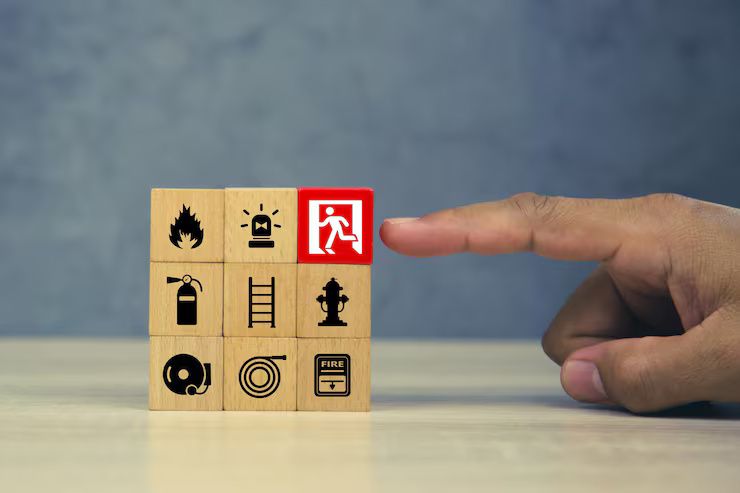
Fire safety refers to the set of practices, systems, and regulations designed to prevent fires, reduce fire hazards, and protect people and property if a fire occurs. It includes fire prevention strategies, fire protection equipment, emergency response planning, and compliance with building codes and safety standards.
Fire safety focuses on preventing fires and reducing harm when they occur. Fires can start from electrical faults, cooking activities, heating systems, or industrial processes, making structured safety measures essential across homes, workplaces, and public buildings.
Modern fire safety combines risk assessment, detection systems, suppression equipment, evacuation planning, and safety training. The goal is to minimize risk and ensure quick, safe responses in emergencies.
Importance: Why Fire Safety Matters Today
Role in Modern Environments
Fire safety is increasingly important due to urban growth, high-rise construction, and complex electrical systems. Environmental factors such as climate change have also increased wildfire risks in some regions.
Effective fire safety planning protects lives, property, and business continuity.
Who Is Affected
- Homeowners and tenants
- Business owners and facility managers
- Schools and hospitals
- Industrial and manufacturing facilities
Common Problems Addressed
- Electrical overloads and short circuits
- Gas leaks and combustible materials
- Blocked emergency exits
- Lack of detection systems
- Poor evacuation planning
Without proper safety measures, fires can lead to structural damage, data loss, injuries, and environmental impact.
Core Fire Safety Equipment Overview
Smoke Detectors and Fire Alarms
These systems detect smoke or heat and trigger alarms. Advanced versions connect to central monitoring systems and smart building platforms.
Fire Extinguishers
Portable extinguishers are categorized by fire types (A, B, C, D, and K). Proper placement and training are essential for safe usage.
Sprinkler Systems
Automatic sprinklers release water when heat is detected, helping control or extinguish fires in buildings.
Emergency Lighting and Exit Signage
Backup lighting and illuminated exit signs guide occupants safely during emergencies or power failures.
Fire Suppression Systems
Specialized systems using foam, gas, or chemicals are used in environments like data centers and industrial facilities.
Recent Trends in Fire Safety (2025–2026)
Smart Fire Detection
AI-powered detection systems reduce false alarms and provide real-time alerts to mobile devices and monitoring systems.
High-Rise Safety Standards
Updated regulations emphasize fire-resistant materials, improved evacuation planning, and stricter inspection protocols.
Wildfire Preparedness
Communities are adopting fire-resistant construction practices and risk assessment programs in wildfire-prone areas.
Lithium-Ion Battery Fire Awareness
Increased use of batteries has led to updated safety measures in charging stations and storage facilities.
Laws, Regulations, and Compliance
Key Regulatory Requirements
- Mandatory fire risk assessments
- Installation of certified alarm systems
- Routine inspection and maintenance
- Clearly marked evacuation routes
- Fire safety training for occupants
India-Specific Standards
In India, fire safety is guided by the National Building Code, which defines construction standards and safety requirements.
Compliance ensures safety, reduces liability, and supports regulatory adherence.
Fire Risk Assessment Process
Key Steps in Risk Assessment
| Step | Description |
|---|---|
| Identify hazards | Electrical systems, flammable materials |
| Identify people at risk | Employees, visitors, vulnerable groups |
| Evaluate risk level | Likelihood and potential severity |
| Implement controls | Install alarms, extinguishers, signage |
| Review regularly | Update plans periodically |
Risk assessments help identify dangers and improve preparedness.
Fire Emergency Planning Essentials
Key Elements of a Fire Plan
- Clearly marked escape routes
- Designated assembly points
- Assigned safety coordinators
- Regular evacuation drills
- Emergency communication procedures
Evacuation maps should be displayed in visible areas to guide occupants.
Tools and Resources for Fire Safety
Helpful Tools
- Fire risk assessment templates
- Building code reference portals
- Smart alarm applications
- Insurance risk calculators
- Safety training platforms
These resources support planning, compliance, and awareness.
Fire Safety Layers Concept
Multi-Layered Protection Approach
| Stage | Purpose |
|---|---|
| Prevention | Reduce ignition risks |
| Detection | Identify fire early |
| Suppression | Control or extinguish fire |
| Evacuation | Ensure safe exit |
| Recovery | Restore operations after incident |
Each layer contributes to reducing overall fire risk.
FAQs
What is the difference between prevention and protection?
Prevention reduces fire risks, while protection systems respond to fires once they occur.
How often should equipment be inspected?
Many guidelines recommend regular checks, including monthly inspections and annual professional servicing.
Are fire drills necessary in small offices?
Yes, evacuation planning and drills are beneficial in all workplace sizes.
What is a fire risk assessment?
It is a structured process to identify hazards and implement safety measures.
Do residential buildings require sprinklers?
Requirements vary by building type and location, but many modern buildings include them.
Conclusion
Fire safety is a comprehensive approach that includes prevention, detection, suppression, and emergency planning. Each component works together to protect people and property.
Recent advancements in smart technology and updated regulations highlight the evolving nature of fire safety. Compliance and awareness remain key to reducing risks.
By understanding fire safety systems and following structured practices, individuals and organizations can create safer environments and improve emergency preparedness.