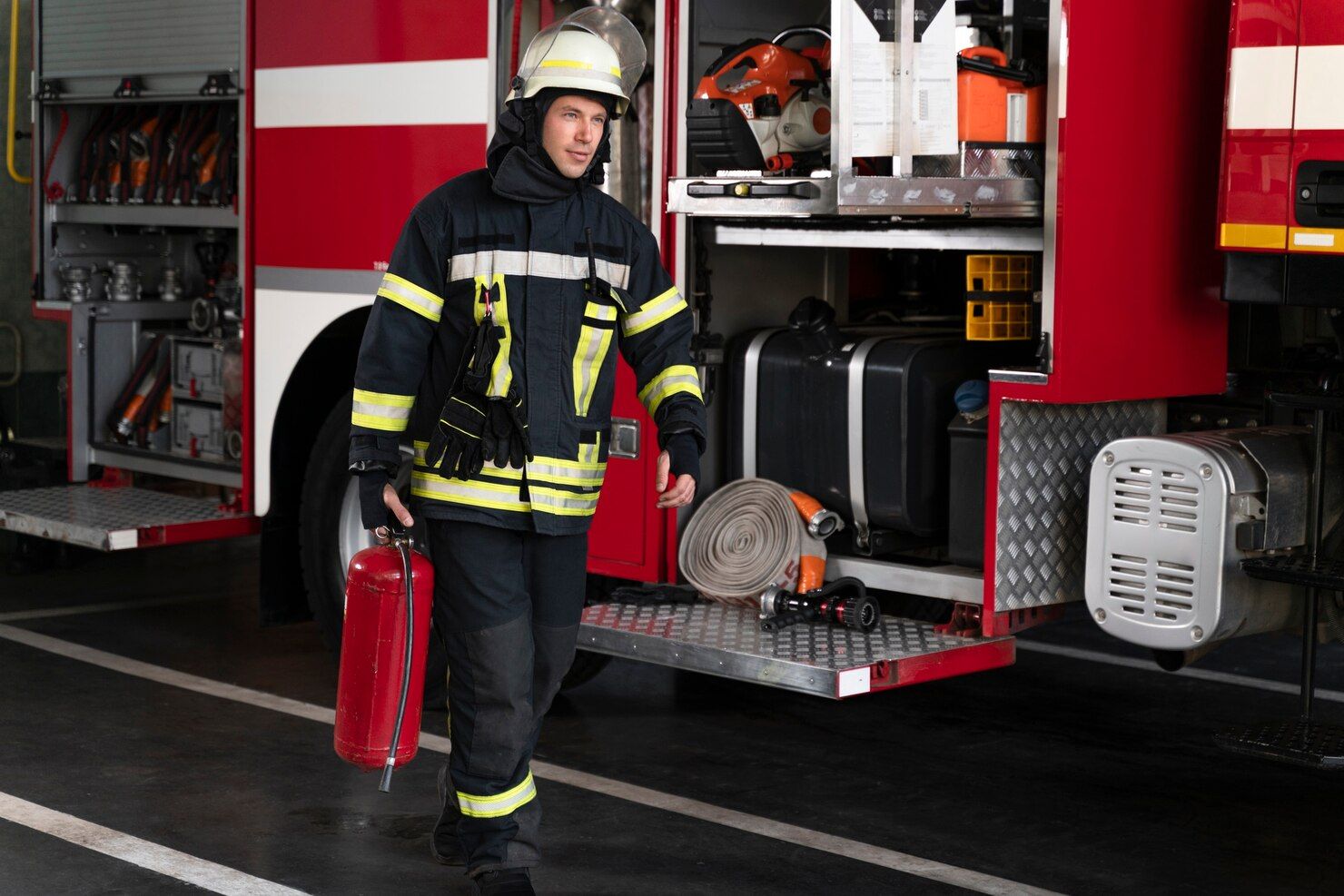
Fire systems are safety technologies designed to detect, control, and manage fire-related risks in buildings, industrial facilities, and public infrastructure. These systems exist because fire hazards can cause significant damage to property, disrupt operations, and threaten human safety. Fire systems help detect fires early and activate protective measures that reduce the impact of fire incidents.
Modern fire protection systems combine several components that work together as a unified safety network. These systems typically include detection devices, alarm mechanisms, suppression technologies, and monitoring systems. Their primary goal is to identify fire hazards quickly and respond effectively before flames spread.
A typical fire protection setup may include:
| Fire System Component | Purpose |
|---|---|
| Smoke Detectors | Identify smoke particles in the air |
| Heat Detectors | Detect abnormal temperature increases |
| Fire Alarm Panels | Central control unit for alerts |
| Sprinkler Systems | Release water to suppress flames |
| Monitoring Systems | Track fire events and alerts |
Fire safety systems are widely used across many environments, including residential buildings, commercial facilities, hospitals, manufacturing plants, and transportation infrastructure. As urban development continues to expand, the role of integrated fire protection systems becomes increasingly important.
These technologies have evolved significantly over the past decade, incorporating digital monitoring, automation, and intelligent sensors that improve response speed and reliability.
Why Fire Protection Systems Matter Today
Fire incidents remain a major safety concern globally, affecting homes, workplaces, and public infrastructure. Fire systems help reduce risks by enabling early detection and immediate response, which can significantly minimize damage and disruption.
The importance of fire protection systems has increased due to several factors:
• Rapid urbanization and high-rise construction
• Growth of industrial facilities and data centers
• Increasing electrical equipment usage
• Expansion of smart buildings and automated infrastructure
Buildings today contain complex electrical networks, server equipment, and automated machinery. These elements increase the potential for overheating, short circuits, and fire hazards. Fire systems act as an essential safeguard that helps identify early warning signs.
Industries that depend heavily on fire protection systems include:
| Industry | Fire Risk Factors |
|---|---|
| Manufacturing | Machinery heat and flammable materials |
| Data Centers | Electrical equipment and power systems |
| Healthcare | Oxygen supply systems and medical devices |
| Energy Sector | Fuel storage and processing equipment |
| Commercial Buildings | Electrical systems and high occupancy |
Effective fire systems reduce operational interruptions and improve safety planning. Early detection technologies can trigger alarms within seconds, allowing building occupants to evacuate quickly and enabling emergency teams to respond faster.
Another important role of fire systems is maintaining compliance with safety standards. Many facilities require fire protection infrastructure as part of safety certifications and building codes.
Recent Developments in Fire Safety Technology
Fire protection technology has advanced rapidly in recent years. New innovations focus on improving detection accuracy, automation, and remote monitoring capabilities.
One major trend is the adoption of smart fire detection systems. These systems use sensors connected to cloud-based platforms that allow real-time monitoring of fire events. Facility managers can track system performance, receive alerts, and review safety data remotely.
Between 2024 and 2025, several developments influenced fire safety technologies:
• Increased use of IoT-connected smoke detectors
• Growth of AI-assisted fire detection systems
• Adoption of wireless fire alarm networks
• Integration of fire systems with building management systems
Artificial intelligence is also improving fire detection accuracy. AI-based sensors can analyze smoke patterns and environmental conditions to reduce false alarms. This technology is particularly useful in industrial environments where dust or steam may otherwise trigger unnecessary alerts.
Another emerging innovation is video-based fire detection, which uses cameras and software algorithms to identify flames or smoke visually. These systems are being deployed in large facilities such as warehouses, airports, and energy plants.
Below is a simplified representation of the evolution of fire detection technology.
| Year | Fire System Development |
|---|---|
| 2015 | Traditional smoke detectors dominate |
| 2020 | Smart detectors and remote monitoring emerge |
| 2023 | AI-supported fire detection begins adoption |
| 2025 | IoT-connected fire protection systems expand |
These technological advancements continue to improve response speed and system reliability, making fire protection more efficient across different industries.
Regulations and Fire Safety Policies
Fire systems are strongly influenced by building safety regulations and government policies. These rules ensure that structures include proper fire protection infrastructure to protect occupants and property.
Most countries have building codes that require fire detection and alarm systems in commercial and industrial facilities. These regulations define installation requirements, testing procedures, and maintenance standards.
Several regulatory frameworks influence fire safety practices globally:
| Regulation or Standard | Focus Area |
|---|---|
| Building Fire Safety Codes | Construction safety requirements |
| Workplace Safety Regulations | Employee safety standards |
| Electrical Safety Standards | Fire risks related to wiring |
| Industrial Safety Policies | Hazard management in factories |
In India, building safety rules require fire protection measures for high-rise structures, hospitals, hotels, and large commercial spaces. Local authorities often review fire safety compliance before granting building approvals.
Government initiatives also promote improved safety awareness and training programs for emergency preparedness. These programs help organizations understand evacuation procedures and fire risk management strategies.
Compliance with safety regulations helps ensure that fire systems remain functional and effective. Regular inspections, system testing, and safety audits are common practices used to maintain compliance.
Helpful Tools and Resources for Fire Safety
Several digital tools and online resources help organizations and building managers improve fire safety planning and system monitoring.
Modern fire safety tools focus on risk assessment, monitoring, and emergency preparedness.
Examples include:
• Fire risk assessment software
• Emergency evacuation planning tools
• Fire alarm monitoring dashboards
• Building safety management platforms
• Incident reporting and tracking systems
These tools help professionals evaluate fire hazards, simulate evacuation scenarios, and track system performance.
Below is a simplified table of commonly used fire safety resources.
| Resource Type | Purpose |
|---|---|
| Fire Risk Assessment Tools | Identify potential fire hazards |
| Evacuation Planning Templates | Organize emergency exit procedures |
| Alarm Monitoring Software | Track alerts and system performance |
| Safety Training Platforms | Educate staff on fire response |
| Compliance Documentation Tools | Maintain safety records |
Many organizations also rely on industry publications, safety standards, and training materials to stay updated on best practices in fire protection.
Access to reliable information helps safety managers implement effective fire prevention strategies and maintain system readiness.
Frequently Asked Questions About Fire Systems
What is a fire system?
A fire system is a network of devices designed to detect fire hazards and trigger protective responses. It typically includes smoke detectors, alarms, monitoring panels, and suppression equipment that help reduce fire risks.
How do fire detection systems work?
Fire detection systems use sensors to identify smoke, heat, or flames. When these sensors detect abnormal conditions, they send signals to a control panel that activates alarms and alerts occupants.
Where are fire protection systems commonly used?
Fire systems are widely installed in residential buildings, offices, hospitals, manufacturing facilities, warehouses, and transportation hubs.
How often should fire systems be inspected?
Fire systems usually undergo periodic inspections to ensure proper functionality. Testing schedules often depend on local safety regulations and building standards.
What is the difference between fire detection and fire suppression?
Fire detection systems identify fire hazards and trigger alarms, while fire suppression systems actively control or extinguish flames using water, gas, foam, or other suppression methods.
Conclusion
Fire systems play a critical role in protecting people, buildings, and infrastructure from fire-related risks. These systems combine detection technologies, alarm mechanisms, and suppression methods to create a coordinated safety response.
As buildings become more complex and technology-driven, fire protection systems continue to evolve with advanced sensors, automation, and remote monitoring capabilities. Innovations such as IoT-enabled detectors and AI-based monitoring are improving fire detection accuracy and response speed.
Regulations and safety standards ensure that fire systems remain reliable and effective. Compliance with these standards helps organizations maintain safe environments and reduce potential fire hazards.
Understanding how fire systems operate, the tools available for safety planning, and the policies that guide their implementation helps improve overall fire preparedness and risk management.