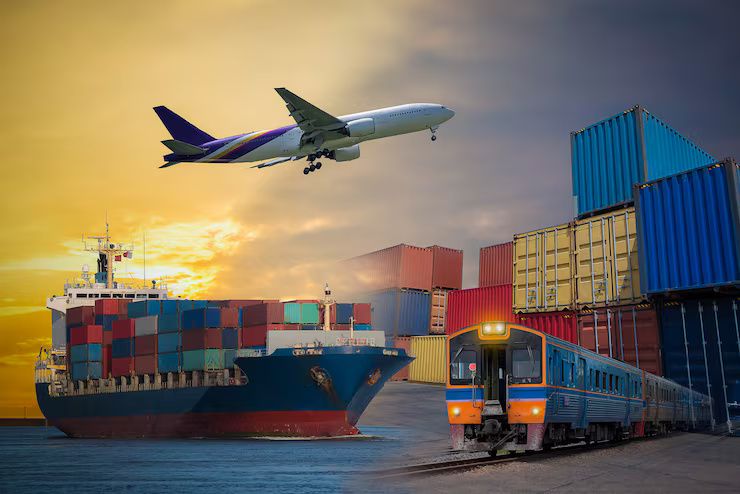
Freight and cargo refer to goods and materials transported from one place to another through organized transportation systems. These systems include road, rail, sea, and air networks that enable the movement of raw materials, manufactured products, and essential supplies. Freight and cargo exist because modern societies rely on the continuous flow of goods to support daily life, production, and trade.
Historically, the transportation of goods began with simple methods such as animal-powered carts and boats. As trade expanded across regions, structured logistics systems developed to manage distance, volume, and timing. Industrialization further increased demand, leading to standardized shipping methods, containers, and documentation.
Today, freight and cargo operations form the backbone of global and regional trade. Nearly every product depends on transportation and logistics networks to move efficiently across supply chains. Understanding these basics explains how goods reach their destinations reliably.
Importance: Why Freight and Cargo Matter Today
Freight and cargo transportation is essential for economic activity and social stability. It supports industries such as manufacturing, retail, agriculture, healthcare, and infrastructure. Without organized logistics, delays and shortages would affect both businesses and consumers.
Key Reasons for Importance
- Continuous availability of essential goods
- Support for domestic and international trade
- Connection between producers and end users
- Stability in supply chains during changing demand
Freight systems impact manufacturers, distributors, farmers, retailers, and public institutions. Efficient logistics improves delivery timelines, inventory management, and operational planning.
Problems Addressed
- Uneven distribution of goods across regions
- Delays from fragmented transport systems
- Difficulty in tracking shipments over long distances
As global trade grows, reliable freight transportation remains a critical requirement.
Recent Updates: Trends and Developments in Freight and Cargo
In 2025, freight and cargo systems continued to evolve with technology adoption and sustainability efforts. These changes aim to improve efficiency, transparency, and resilience.
Key Trends in 2025
- Expansion of real-time digital tracking and analytics
- Growth in multimodal transport combining road, rail, sea, and air
- Increased focus on fuel efficiency and emissions monitoring
- Development of resilient supply chains with diversified routes
Logistics providers also adopted predictive planning tools to manage demand and reduce congestion. These developments reflect a shift toward smarter and more connected freight systems.
Laws and Policies: Regulatory Framework for Freight and Cargo
Freight and cargo operations are governed by regulations that ensure safety, consistency, and fairness. These rules often align with international agreements to support cross-border trade.
Common Regulatory Areas
- Transportation safety standards
- Customs documentation and declarations
- Environmental compliance requirements
- Weight, size, and routing regulations
International organizations help establish global standards, while national governments implement transport policies and infrastructure programs. These regulations shape how goods move across regions and countries.
Tools and Resources: Helpful References for Freight and Logistics Knowledge
Various tools and resources help individuals and organizations understand freight and logistics operations. These resources support planning, tracking, and compliance.
Common Tools and Resources
- Shipment tracking and visibility platforms
- Route planning and mapping tools
- Logistics documentation templates
- Trade and customs reference guides
Examples of Resource Types
| Resource Type | Purpose | Typical Use |
|---|---|---|
| Tracking Dashboards | Monitor cargo movement | Visibility and updates |
| Route Planners | Optimize transport paths | Efficiency planning |
| Documentation Guides | Standardize records | Compliance clarity |
| Trade Data Portals | Analyze freight trends | Market insights |
These tools help improve understanding and decision-making in logistics operations.
Visual Overview: Main Modes of Freight Transportation
The table below summarizes the primary freight transportation modes:
| Transport Mode | Key Feature | Typical Use |
|---|---|---|
| Road Freight | Flexible routing | Regional distribution |
| Rail Freight | High capacity | Bulk and long-distance |
| Sea Freight | Global reach | International trade |
| Air Cargo | Fast transit | Time-sensitive goods |
This overview shows how transport modes are selected based on distance, speed, and cargo type.
FAQs: Common Questions About Freight and Cargo
What is the difference between freight and cargo?
Freight refers to goods transported commercially, while cargo is a broader term for goods carried by any transport mode.
How do logistics systems support freight movement?
They coordinate transportation, storage, documentation, and tracking to ensure efficiency.
Why is multimodal transport important?
It improves flexibility, reduces delays, and supports long-distance movement.
Do freight systems affect product availability?
Yes, efficient systems help maintain consistent supply and reduce disruptions.
How is freight tracked today?
Modern tracking uses digital tools, sensors, and data platforms to monitor shipments.
Conclusion: Understanding the Role of Freight and Cargo
Freight and cargo systems are essential to modern economies and daily life. They enable efficient movement of goods across local and global networks, supporting trade and production.
By understanding their importance, trends, regulations, and tools, readers gain insight into how logistics systems function. As transportation networks evolve, freight and cargo will continue to play a central role in global connectivity and economic stability.