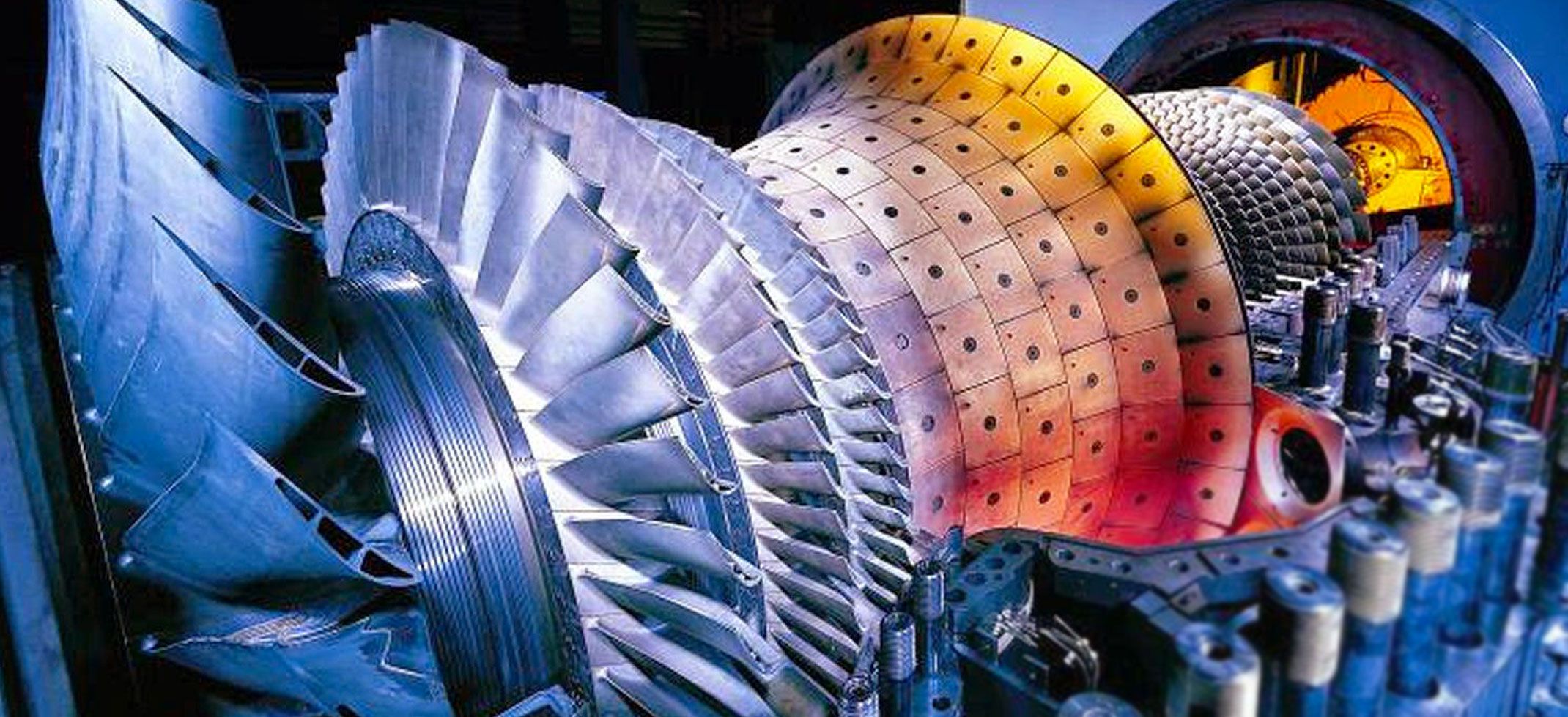
Gas turbine units are widely used in power generation, aviation, marine propulsion, and industrial operations. They convert fuel energy into mechanical power through high-temperature combustion and rotational motion. Over time, gas turbines have become essential to electricity grids, airline fleets, and manufacturing environments. Their design, technology, efficiency, and environmental impact continue evolving with global energy demands and sustainability goals.
Gas turbines operate on the basic principle of air compression, fuel combustion, and expansion through turbine blades that rotate to produce energy. This rotational power is then used to drive generators or mechanical equipment. Industries rely on gas turbine units for steady power output, high operational stability, and suitability for peak-load demands. The topic is relevant today due to energy transition discussions, efficiency improvements, and the increasing attention to emissions reduction.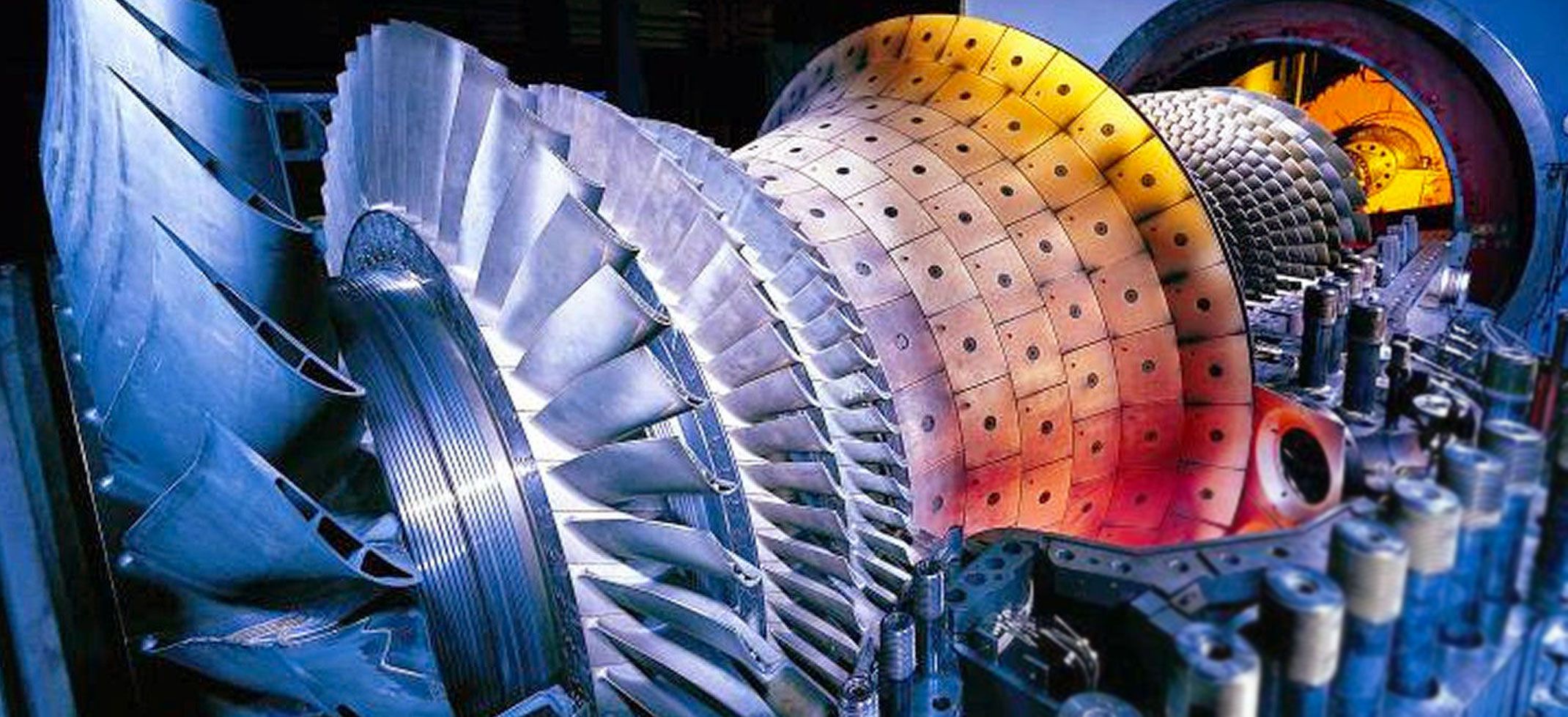
Gas turbine units exist as a modern solution for converting thermal energy into mechanical energy efficiently and consistently. They were developed during the early 20th century and later improved for aviation and utility power generation. The core elements of a gas turbine include:
-
Compressor – draws in and compresses air
-
Combustion chamber – mixes fuel with air and ignites it
-
Turbine section – extracts energy from high-temperature gases
The Brayton cycle is the thermodynamic cycle behind gas turbine operations. When hot gases expand across turbine blades, they rotate the shaft, producing power. This mechanism supports electricity generation, aircraft engines, industrial drives, and combined-cycle power plants.
Gas turbine units remain important for regions that need flexible power supply, quick startup capability, and high reliability during peak demand. Many countries use them as part of their national energy infrastructure.
Importance
Gas turbines matter because they contribute significantly to modern power networks, aviation safety, and industrial efficiency. Several factors make them important in present-day energy and technology systems:
Why they matter today
-
They help maintain grid stability when renewable output fluctuates
-
They generate high-power output with compact engineering
-
They support industries where continuous electrical power is crucial
Who they affect
-
Power generation companies and plant operators
-
Aerospace manufacturers and airlines
-
Industrial users operating petrochemical, refinery, and processing units
-
Engineers and energy planners working on infrastructure projects
Problems they help solve
-
Meeting electricity demand during peak consumption
-
Ensuring uninterrupted power for critical facilities
-
Reducing downtime in industrial environments with fast startup systems
Gas turbines also integrate effectively with combined-cycle power plants, where waste heat is used to produce additional electricity. This increases efficiency and fuel utilization, making turbines valuable in energy planning and technological development.
Recent Updates
In the past year, gas turbine development has seen progress in materials, emissions management, and operational efficiency. Manufacturers and research institutions are focused on improving combustion technologies and reducing environmental impact.
Notable updates include:
-
More turbine models now support hydrogen-blend combustion (2024 updates from various industry exhibitions)
-
Advanced cooling technology for turbine blades has been further optimized to enhance lifespan
-
Real-time monitoring systems now improve predictive maintenance and performance tracking
-
Research on integrating gas turbines with carbon capture systems has expanded
The demand for turbines capable of operating with lower-carbon fuels has increased. Many power plants and industrial users are preparing for fuel transition while retaining operational reliability. Data analytics and automation also continue to shape turbine operation practices.
Laws or Policies
Several policies influence how gas turbine units operate in different regions. Regulations are often related to safety, equipment standards, and emissions. Compliance may be required depending on installation type, fuel used, and capacity of the turbine.
Key areas regulated include:
-
Environmental emission norms for nitrogen oxides and greenhouse gases
-
Operational safety standards for high-temperature machinery
-
Requirements for periodic inspection and maintenance
-
Grid synchronization guidelines for power turbine units
Government energy frameworks increasingly encourage efficiency improvements and cleaner technologies. Many countries support transition strategies where gas turbines operate alongside renewable energy to maintain stability. Regulations may evolve with global climate commitments, affecting turbine fuel strategies and technology upgrades.
Tools and Resources
Several tools, platforms, and learning resources help engineers, researchers, and students understand and evaluate gas turbine performance. They support planning, technical analysis, and operational decision-making.
Helpful resources include:
Simulation and design software
-
Thermodynamic cycle modeling tools
-
Gas turbine performance simulators
-
Materials and fatigue analysis platforms
Reference platforms and technical documentation
-
Engineering databases
-
Turbine specification manuals
-
Technical research publications
Monitoring and analysis tools
-
Performance dashboards
-
Condition monitoring software
-
Efficiency benchmarking spreadsheets
These resources provide data-driven support for turbine evaluation, operational optimization, and reliability planning.
Gas Turbine Unit Components Table
| Component | Role | Key Function |
|---|---|---|
| Compressor | Air Intake & Compression | Raises pressure before combustion |
| Combustion Chamber | Fuel-Air Mixing | Produces high-temperature gases |
| Turbine Blades | Energy Extraction | Converts thermal energy to rotation |
| Shaft & Coupling | Power Transmission | Drives generator or mechanical load |
Small Comparison Table: Turbine Types
| Type of Turbine | Suitable For | Efficiency Range |
|---|---|---|
| Open-Cycle Unit | Fast power output | Moderate |
| Combined-Cycle Unit | High efficiency generation | Higher |
| Aero-Derivative Unit | Mobile or quick deployment | Variable high |
FAQs
What is the primary working principle of a gas turbine?
Gas turbines operate on the Brayton cycle, where compressed air mixes with fuel, combusts, and expands to rotate turbine blades and generate power.
Where are gas turbine units used most commonly?
They are mainly used in power plants, aircraft propulsion, industrial machinery, and marine applications requiring steady mechanical or electrical output.
How do gas turbines differ from steam turbines?
Gas turbines use combustion and expanding gas to rotate blades, whereas steam turbines rely on steam generated from boilers. Gas turbines generally start faster and require less water.
Can gas turbines run continuously for long durations?
Yes, they can operate continuously when properly maintained and monitored, which is why they are widely used in utility and industrial power operations.
Are modern gas turbines compatible with cleaner fuels?
Many modern designs can operate on a mix of natural gas and hydrogen blends, supporting future energy transition goals while maintaining system reliability.
Conclusion
Gas turbine units form a critical part of global energy, aviation, and industrial structures. Their efficiency, mechanical output, reliability, and adaptability make them valuable in environments where stable power generation is necessary. With continuing advancements in turbine materials, monitoring systems, and lower-emission combustion methods, their performance and sustainability are expected to further improve. As global energy systems evolve, gas turbines are positioned to remain an important bridge technology within the shift toward cleaner power networks and advanced engineering solutions.
This guide provides a clear understanding of gas turbine fundamentals, real-world use, regulatory context, modern developments, and supporting tools. The information supports learning, research, and practical knowledge building for anyone interested in how gas turbine units operate in today’s technological landscape.