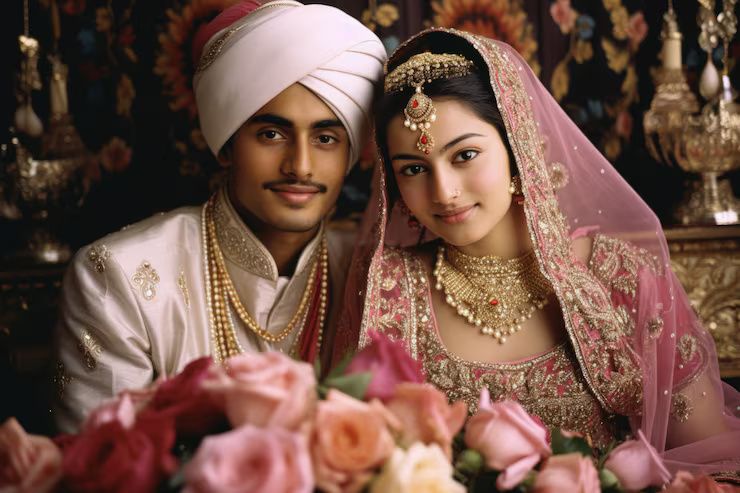
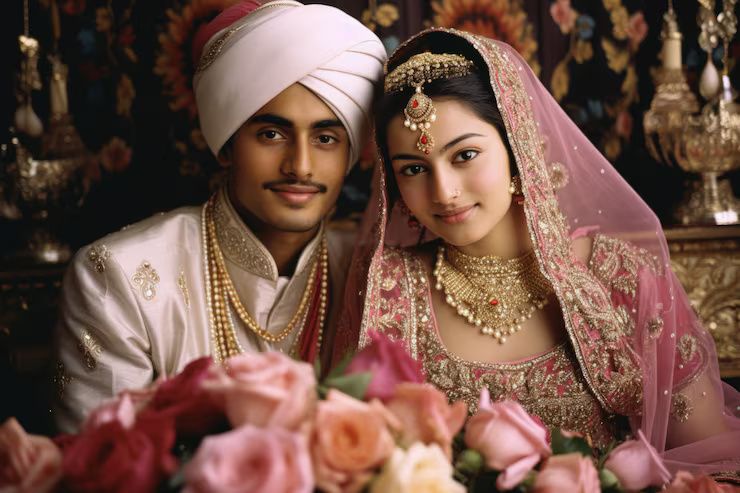
Groom jewellery refers to traditional accessories worn by men during weddings and ceremonial occasions. These accessories have existed for centuries and are closely linked to cultural identity, social status, and regional customs. Across many societies, groom jewellery developed as a way to symbolize responsibility, lineage, prosperity, and marital commitment.
Historically, jewellery worn by grooms varied depending on geography, climate, materials available, and cultural values. In many regions, accessories such as necklaces, rings, brooches, turbans ornaments, and ceremonial chains were considered essential elements of wedding attire. These items were often crafted using precious metals and stones, reflecting craftsmanship traditions passed down through generations.
In modern times, groom jewellery continues to exist as a cultural expression rather than a daily accessory. It represents heritage, ritual continuity, and ceremonial importance, especially during weddings and formal events.
Importance
Groom jewellery remains important today because it connects tradition with modern identity. It affects grooms, families, cultural historians, designers, and communities that preserve ceremonial customs.
Key reasons this topic matters include:
-
Preservation of cultural and regional heritage
-
Symbolic representation of marital transition
-
Visual balance in traditional wedding attire
-
Recognition of male ceremonial adornment
Groom jewellery addresses several cultural and social needs:
-
Cultural continuity: Maintains traditional wedding practices across generations
-
Identity expression: Reflects regional, religious, or community affiliation
-
Ceremonial significance: Enhances the formal meaning of wedding rituals
-
Aesthetic structure: Complements traditional garments and ceremonial attire
In a globalized world, understanding groom jewellery helps document cultural diversity and supports respectful representation of traditional practices.
Recent Updates
Over the past year, groom jewellery has seen subtle but meaningful changes influenced by cultural revival and fashion research.
In 2024, there was increased academic and design interest in documenting regional groom accessories, especially in South Asian, Middle Eastern, and African wedding traditions. Cultural exhibitions and fashion archives highlighted traditional male adornment as an area of renewed focus.
Key developments observed in late 2024 and early 2025 include:
-
Increased use of historically inspired designs in ceremonial accessories
-
Revival of handcrafted techniques such as filigree and enamel detailing
-
Greater emphasis on lightweight ceremonial jewellery for comfort
-
Integration of traditional motifs with simplified modern forms
These updates reflect a broader trend of cultural preservation combined with contemporary adaptation, rather than commercial expansion.
Laws or Policies
Groom jewellery is influenced indirectly by laws and policies related to precious metals, gemstones, and cultural heritage.
In countries such as India, regulations related to hallmarking, metal purity standards, and gemstone certification apply to ceremonial jewellery. These frameworks aim to ensure transparency, authenticity, and consumer protection without targeting ceremonial use specifically.
Cultural heritage policies also play a role. Government-supported cultural documentation programs encourage preservation of traditional ornaments and craftsmanship techniques. In 2024, several cultural ministries expanded initiatives to digitally archive traditional jewellery designs as part of intangible heritage preservation.
Additionally, import-export regulations on precious materials influence how traditional jewellery materials are sourced and documented, especially for ceremonial use in international weddings.
Tools and Resources
Various educational and informational resources help individuals understand groom jewellery and its cultural context.
Useful tools and references include:
-
Cultural heritage databases documenting traditional ornaments
-
Jewellery design reference guides explaining motifs and symbolism
-
Hallmark verification portals for understanding metal standards
-
Museum archives and digital exhibitions showcasing ceremonial jewellery
-
Academic publications on traditional dress and adornment
Common Types of Groom Jewellery and Their Significance
| Jewellery Type | Cultural Role | Typical Use |
|---|---|---|
| Necklace or Chain | Status and protection | Wedding ceremonies |
| Ring | Commitment symbol | Marriage rituals |
| Brooch or Sarpech | Royal or ceremonial identity | Traditional headwear |
| Bracelet or Kada | Strength and continuity | Ritual attire |
| Ear Ornament | Regional tradition | Cultural ceremonies |
Materials Commonly Used in Groom Jewellery
| Material | Cultural Meaning | Usage Context |
|---|---|---|
| Gold | Prosperity and tradition | Ceremonial wear |
| Silver | Purity and balance | Regional customs |
| Gemstones | Spiritual symbolism | Ritual occasions |
| Enamel Work | Artistic heritage | Decorative detailing |
FAQs
What is groom jewellery?
Groom jewellery consists of traditional accessories worn by men during weddings or ceremonial events, reflecting cultural and symbolic meaning.
Is groom jewellery worn daily?
No. Groom jewellery is typically reserved for weddings, rituals, and formal cultural occasions.
Does groom jewellery vary by region?
Yes. Styles, materials, and designs differ significantly based on regional traditions and cultural practices.
What materials are commonly used in traditional groom jewellery?
Common materials include gold, silver, gemstones, and handcrafted decorative elements.
Why is groom jewellery culturally important?
It represents heritage, identity, and the ceremonial transition associated with marriage.
Conclusion
Groom jewellery is an important yet often overlooked aspect of traditional ceremonial attire. Rooted in history and cultural symbolism, these accessories reflect identity, craftsmanship, and ritual significance.
As interest in cultural preservation grows, groom jewellery continues to be studied and documented for its role in wedding traditions worldwide. Understanding its context, importance, and evolution helps ensure that traditional male adornment remains respected and accurately represented in modern cultural narratives.
This overview provides a clear foundation for learning about groom jewellery as a meaningful cultural element rather than a commercial product.