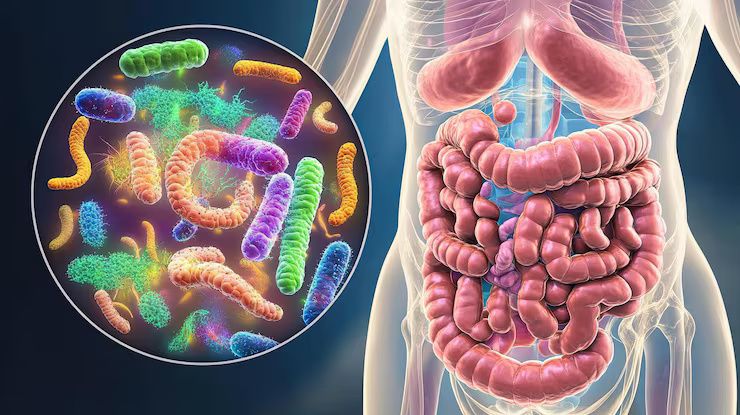
Gut bacteria, also known as the gut microbiome, refers to the vast community of microorganisms living mainly in the human digestive tract. These microbes include bacteria, viruses, fungi, and other microscopic organisms. Most are found in the large intestine and coexist with the human body in complex ways.
The concept of gut bacteria exists because humans evolved alongside microorganisms. From birth, microbes begin to colonize the digestive system through food, environment, and human contact. Over time, this internal ecosystem becomes stable and highly personalized. Scientists study gut bacteria to understand how these microbes interact with digestion, metabolism, immunity, and overall health.
The balance between helpful and harmful microbes is important. Some bacteria support normal body functions, while others may contribute to digestive discomfort or disease when present in excess. Understanding this balance helps explain why gut health is closely linked to daily well-being.
Importance
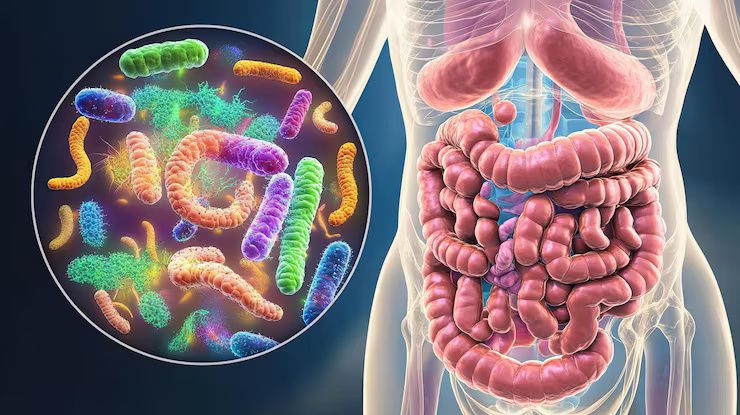
Gut bacteria matter because they influence many core body processes beyond digestion. Research shows that the gut microbiome plays a role in nutrient absorption, immune system regulation, and protection against harmful organisms.
This topic affects people of all ages. Children, adults, and older populations all experience changes in gut bacteria due to diet, lifestyle, medication use, and aging. Modern habits such as processed diets, frequent antibiotic use, and high stress levels can disrupt microbial balance.
Key reasons this topic is important today include:
-
Rising awareness of digestive health and metabolic balance
-
Growing links between gut bacteria and immune response
-
Increased prevalence of digestive disorders and food sensitivities
-
Interest in preventive health and long-term wellness
When beneficial microbes are reduced and harmful ones dominate, it may lead to issues such as bloating, irregular digestion, or reduced nutrient uptake. Understanding gut bacteria helps people make informed lifestyle and nutrition decisions.
Recent Updates
In the past year, gut microbiome research has continued to expand, with several notable developments:
-
2024 research reviews highlighted stronger connections between gut bacteria diversity and immune system resilience, particularly after viral infections.
-
Early 2025 studies explored how personalized nutrition plans may influence microbial balance differently across individuals, suggesting that one-size-fits-all dietary advice may not apply to gut health.
-
Advances in microbiome sequencing technologies have improved accuracy in identifying bacterial strains, allowing more detailed gut analysis than before.
-
Increased focus on the gut–brain connection has examined how microbial activity may influence mood and stress-related responses.
These updates reflect a shift from general observations toward more precise and individualized microbiome insights, though research remains ongoing.
Laws or Policies
Gut bacteria research and related products are influenced by health and food regulations in many countries. While gut microbes themselves are not regulated, claims and studies around them are monitored.
In countries such as India, the United States, and members of the European Union:
-
Health-related information must align with standards set by organizations such as the World Health Organization.
-
Research involving human microbiome samples follows ethical guidelines and informed consent rules.
-
Nutrition labeling and health communication are overseen by regulatory bodies like the Food and Drug Administration or equivalent national authorities.
-
Advertising and educational content must avoid unsupported medical claims and remain factual.
Government-funded research programs also support microbiome studies, especially in areas related to public health, nutrition, and disease prevention.
Tools and Resources
Several tools and resources help researchers, clinicians, and individuals understand gut bacteria more clearly:
-
Microbiome sequencing platforms used in academic and clinical research
-
Diet and nutrition tracking apps that support fiber and probiotic-rich food monitoring
-
Scientific databases such as PubMed for peer-reviewed gut health studies
-
Educational portals from universities and public health organizations
-
Gut health calculators that estimate dietary fiber intake and diversity support
Below is a simplified table showing common categories of gut bacteria and their general roles:
| Bacteria Category | Common Role in the Gut | General Impact |
|---|---|---|
| Beneficial microbes | Support digestion and immunity | Positive balance |
| Neutral microbes | Coexist without strong effects | Stable environment |
| Harmful microbes | May cause imbalance if overgrown | Digestive disruption |
These tools focus on awareness and education rather than diagnosis.
Understanding Good and Harmful Microbes
Good gut bacteria help break down complex carbohydrates, produce certain vitamins, and support the intestinal barrier. Examples include groups often referred to as probiotics in scientific literature.
Harmful microbes are usually present in small amounts and controlled by beneficial bacteria. Problems arise when balance is disturbed, allowing these microbes to multiply excessively.
Common factors influencing this balance include:
-
Dietary patterns
-
Antibiotic exposure
-
Stress and sleep quality
-
Physical activity levels
A diverse microbiome is generally associated with better gut stability.
Visual Overview of Gut Bacteria Balance
The following simplified chart illustrates the concept of microbial balance:
| Microbial Balance State | Characteristics | Possible Effects |
|---|---|---|
| Balanced microbiome | High diversity, stable populations | Efficient digestion |
| Reduced diversity | Fewer beneficial strains | Lower resilience |
| Imbalanced microbiome | Dominance of harmful microbes | Digestive discomfort |
This representation is for educational understanding only.
FAQs
What are gut bacteria in simple terms?
Gut bacteria are microscopic organisms living in the digestive system that help with digestion, immunity, and nutrient processing.
Are all gut bacteria harmful?
No. Many gut bacteria are helpful and necessary. Harm occurs mainly when balance is disrupted.
Can diet influence gut bacteria?
Yes. Fiber-rich foods, diverse plant intake, and regular eating patterns support beneficial microbes.
Do gut bacteria change over time?
Yes. Age, lifestyle, medication use, and environment can all change microbial composition.
Is gut bacteria research complete?
No. The field is still evolving, and many connections are being actively studied.
Conclusion
Gut bacteria form a complex internal ecosystem that plays a vital role in digestion, immunity, and overall health. The balance between good and harmful microbes influences how the body functions daily. Recent scientific updates highlight growing interest in personalized approaches and improved research tools, while laws and policies ensure responsible communication and study practices.
By understanding the basics of gut bacteria, individuals can better appreciate how daily habits affect internal balance. Ongoing research continues to refine knowledge, making gut microbiome education an important part of modern health awareness.