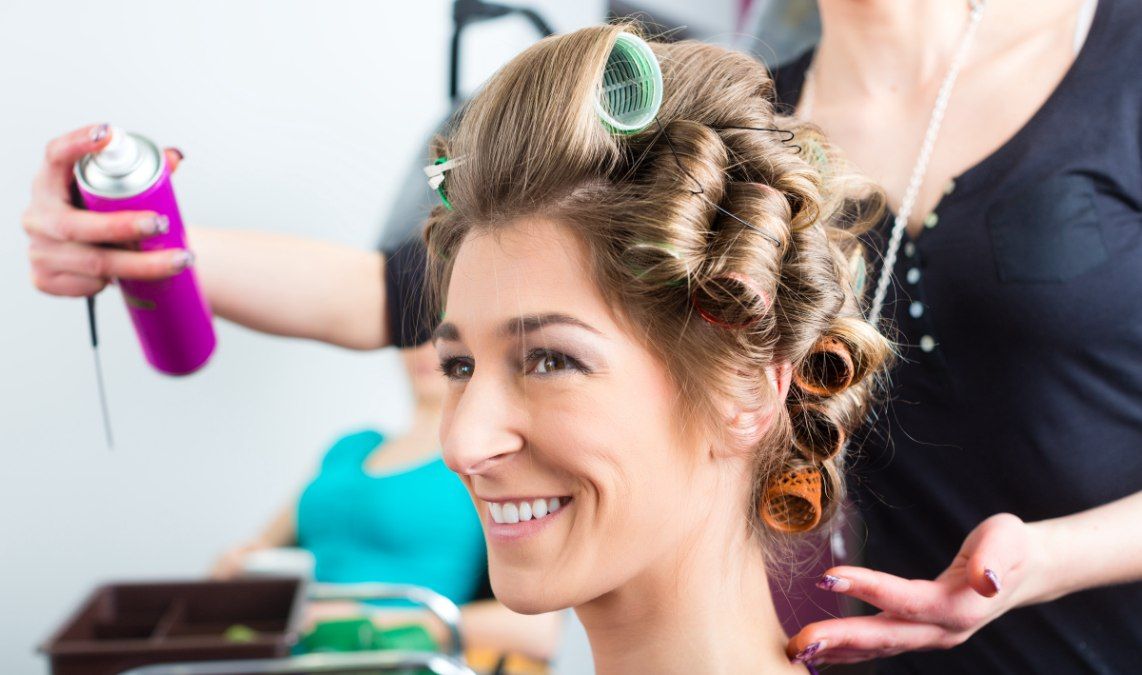
Hair fashion refers to the evolving styles, grooming techniques, and aesthetic choices that individuals make for their hair. This includes cuts, colors, textures, and styling methods that reflect personal identity, culture, and contemporary fashion influences. From classic styles like the bob and pixie cut to modern balayage and braids, hair fashion has become a dynamic form of self-expression.
The popularity of hair fashion can be seen in social media trends, runway shows, and even workplace culture. As fashion evolves, so do hairstyle preferences, making it essential for people to stay informed about what’s in style, what suits their hair type, and how to care for it.
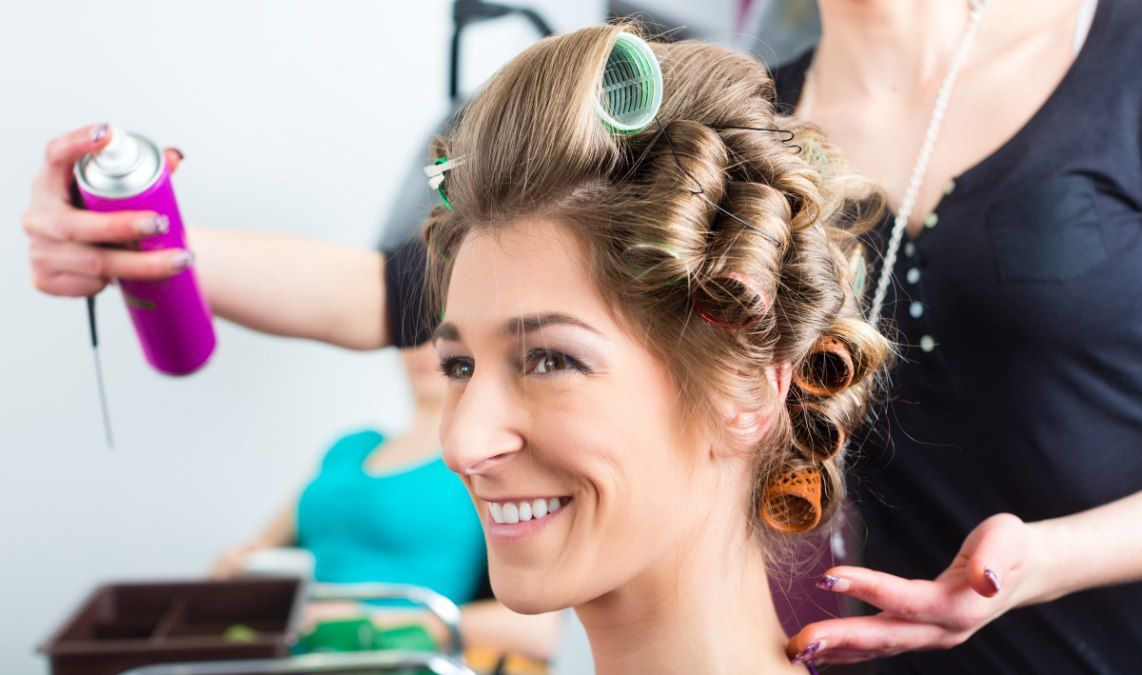
Hair fashion is not only about aesthetics it also affects confidence, personal branding, and cultural identity. Whether you’re a student, professional, or retiree, understanding the basics of hair fashion can help you make better grooming decisions.
Why Hair Fashion Is Important Today
Hair is one of the most visible parts of your appearance. It plays a role in how you present yourself and how others perceive you. In today’s fast-paced world, where image can impact everything from social presence to career opportunities, staying current with hair fashion can be empowering.
Who does it affect?
-
Women and men of all ages who want to maintain a stylish appearance
-
Professionals who aim for a polished look
-
Teenagers and young adults keeping up with fashion trends
-
People in entertainment, media, or customer-facing roles
Common problems hair fashion helps solve:
-
Feeling outdated or less confident in appearance
-
Struggling to manage frizzy, damaged, or unruly hair
-
Finding a suitable style for events or daily life
-
Keeping hair healthy while experimenting with colors or tools
A basic understanding of hair fashion helps people align their hairstyle with their lifestyle, hair type, face shape, and preferences, ultimately making grooming more enjoyable and less stressful.
Recent Hair Trends and Changes in 2024–2025
Over the past year, hair fashion has continued to evolve with the influence of social media, celebrities, and global beauty movements. Here are some notable trends from late 2024 into 2025:
| Trend | Description | Popular With |
|---|---|---|
| Shag Cut Revival | Layered and textured for volume and movement | All ages, especially Gen Z |
| Copper and Auburn Tones | Warm hues trending over cool blondes | Women 20–40 |
| Heatless Hairstyles | Overnight curls and braids to prevent damage | Health-conscious users |
| Butterfly Cut | Voluminous layers with curtain bangs | Medium to long hair types |
| Box Braids and Knotless Braids | Protective styles gaining popularity | Afro-textured hair |
| Gray Blending | Seamless blending of gray into natural tones | Older adults embracing aging gracefully |
Hair-Related Laws, Guidelines, and Cultural Sensitivities
While hair fashion is largely personal, it is influenced in some regions by workplace policies, school dress codes, and broader cultural or legal considerations.
1. Anti-discrimination laws:
Countries like the United States have implemented laws such as the CROWN Act, which bans hair-based discrimination. This is especially relevant for people wearing natural Black hairstyles like afros, locs, or braids.
2. Dress codes in schools or workplaces:
Some employers or educational institutions may have grooming policies requiring “neat and professional” hair. In response, many governments have begun reviewing such rules to ensure they don’t unfairly target specific ethnic or cultural groups.
3. Health and hygiene regulations:
In industries like food service, healthcare, or manufacturing, regulations may require hairnets or restrict certain hairstyles for safety reasons.
Understanding your region's cultural or legal framework ensures your hair choices remain appropriate and respected across various settings.
Tools, Resources, and Apps for Hair Styling and Trends
Whether you're new to hair fashion or looking to explore advanced techniques, these tools and platforms can support your journey:
Hair Styling Apps:
-
YouCam Makeup – Virtual hairstyle try-on with AI technology
-
Style My Hair by L'Oréal – Visualize different cuts and colors
-
Hair Zapp – Compare styles side by side on your photo
Hair Care Resources:
-
NaturallyCurly.com – Community and product tips for curly hair
-
AllThingsHair.com – Tutorials, inspiration, and care advice
-
Reddit r/FancyFollicles – Peer-to-peer tips, reviews, and style debates
Tools to Keep at Home:
-
Wide-tooth combs for detangling
-
Heat protectant sprays before styling
-
Diffusers for curly/wavy hair drying
-
Microfiber towels to reduce frizz
-
Hair masks and leave-in conditioners
Recommended Routine Template:
| Step | Morning Routine | Weekly Care |
|---|---|---|
| 1 | Detangle gently | Deep conditioning |
| 2 | Apply light serum | Clarifying shampoo |
| 3 | Style with heat or air dry | Trim split ends |
| 4 | Protect with scarf/hat (if outdoors) | Scalp massage for circulation |
Frequently Asked Questions (FAQs)
Q1: How do I choose a hairstyle that suits my face shape?
A: Oval faces suit most styles, while round faces benefit from volume at the crown. Heart-shaped faces look great with side bangs. Always consider your facial features, hair texture, and lifestyle.
Q2: Are heatless hairstyles effective for all hair types?
A: Yes, but results vary. For thick or coarse hair, results may take longer or need overnight setting. Fine hair may need light styling products for hold.
Q3: How often should I trim my hair?
A: Every 6–8 weeks for short to medium styles. For long hair or protective styles, trims every 10–12 weeks are enough to maintain healthy ends.
Q4: What’s the best way to manage frizz naturally?
A: Use sulfate-free shampoos, microfiber towels, and avoid overwashing. Oils like argan or coconut can help seal moisture and reduce frizz.
Q5: Can I color my hair frequently without damage?
A: Frequent coloring can cause dryness or breakage. Use bond-repair treatments and opt for semi-permanent dyes when possible. Spacing out color sessions and using nourishing products are key.
Conclusion: Hair Fashion as a Form of Self-Care and Expression
Hair fashion is more than just appearance it’s an evolving blend of culture, health, and personal style. As trends and tools change, staying informed can help you find hairstyles that suit your needs without compromising hair health. With accessible resources, virtual styling apps, and growing acceptance of diverse hair types, everyone can find ways to embrace and enjoy hair fashion.
Whether you're maintaining a timeless cut or trying out the latest TikTok trend, understanding the basics helps you make confident, informed decisions.