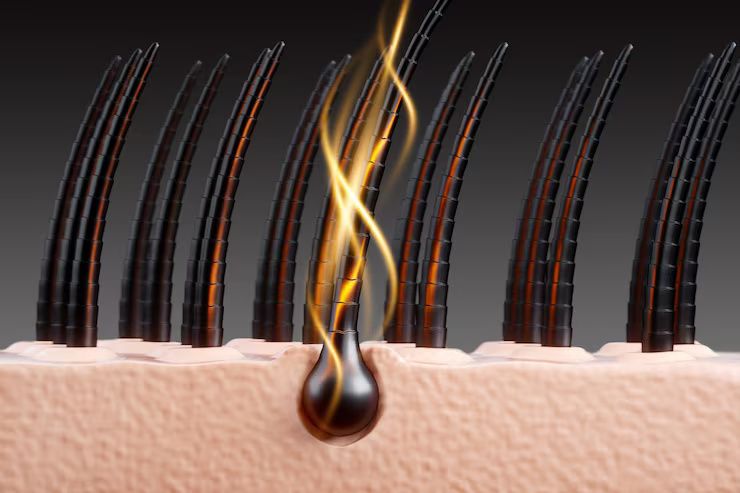
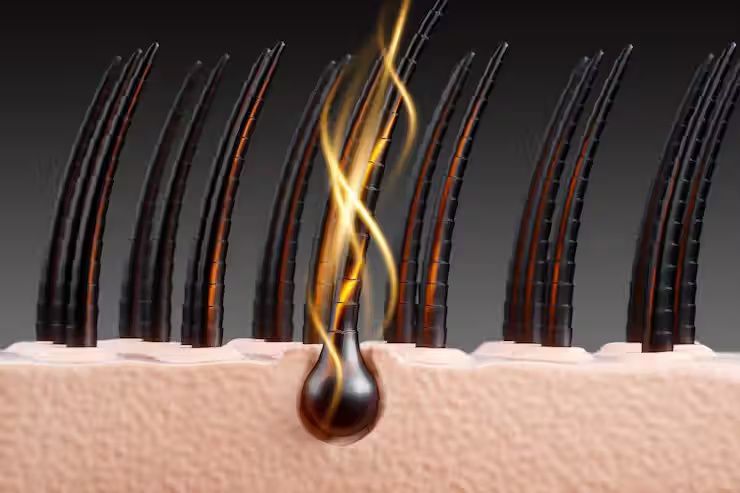
Hair growth refers to the natural biological process through which hair fibers are produced from follicles located in the scalp. This topic exists because hair is closely linked to human biology, appearance, and overall scalp function. Each strand of hair grows from a follicle that extends into the scalp’s dermal layer, where blood supply, nutrients, and cellular activity support continuous growth.
Hair growth is closely linked to the condition of the scalp, which provides the environment where hair follicles develop and regenerate. Healthy scalp conditions support normal hair structure, while imbalances such as irritation or buildup may disrupt the growth cycle.
Understanding how hair and scalp function helps explain why hair changes over time due to factors like age, lifestyle, and environment. This knowledge supports better awareness and realistic expectations.
Importance: Why Hair Growth Knowledge Matters Today
Relevance in Modern Life
Hair concerns affect people across different age groups and backgrounds. Changes in hair density, texture, or shedding patterns are often linked to scalp condition, nutrition, stress, and hormonal balance.
Growing awareness of wellness, environmental exposure, and stress-related effects has increased interest in understanding hair growth scientifically.
Key Reasons This Topic Matters
- Increased focus on personal health and wellness
- Rising discussions around stress-related hair changes
- Environmental factors like pollution affecting the scalp
- Interest in evidence-based hair care knowledge
Understanding these factors helps reduce misinformation and promotes better daily care practices.
Hair Structure: How Hair Is Formed
Main Components of Hair
Hair consists of both visible and internal structures that work together:
- Hair shaft: The visible part above the scalp
- Cuticle: Outer protective layer
- Cortex: Middle layer providing strength and color
- Medulla: Inner core found in thicker hair
Hair Structure Layers and Functions
| Hair Layer | Location | Primary Function |
|---|---|---|
| Cuticle | Outer layer | Protection and shine |
| Cortex | Middle layer | Strength and elasticity |
| Medulla | Inner core | Structural support |
Damage to these layers can affect hair texture, strength, and appearance.
Scalp Health and Its Role in Hair Growth
How the Scalp Supports Hair
The scalp contains follicles, glands, and blood vessels that support hair growth. Each follicle functions independently and requires a balanced environment.
Key Factors Influencing Scalp Health
- Proper blood circulation
- Balanced oil production
- Clean follicle openings
- Stable skin barrier function
Imbalances such as dryness or excess oil may interfere with normal follicle activity. Maintaining balance is essential for supporting natural growth cycles.
Hair Growth Cycle Explained
Stages of Hair Growth
Hair grows in a repeating cycle rather than continuously. Each follicle follows its own cycle, which explains daily shedding and regrowth.
- Anagen phase: Active growth stage
- Catagen phase: Transition stage
- Telogen phase: Resting and shedding stage
Hair Growth Cycle Phases
| Phase | Duration | Description |
|---|---|---|
| Anagen | 2–6 years | Active hair production |
| Catagen | 2–3 weeks | Growth slows and stops |
| Telogen | 2–4 months | Hair rests before shedding |
Disruptions in this cycle can affect hair density and shedding patterns.
Recent Trends and Research (2024–2025)
Focus on Scalp Health
Recent research emphasizes scalp-focused care rather than only treating hair strands. The scalp microbiome has gained attention for its role in maintaining balance and follicle function.
Digital Scalp Analysis
New tools allow visualization of scalp condition, including oil levels and follicle density. These tools are used in educational and clinical environments.
Stress and Hair Cycle Awareness
Studies highlight that prolonged stress may influence hair growth cycles, particularly the timing of the resting phase. This can lead to temporary changes in shedding patterns.
Laws and Policies Related to Hair Information
Cosmetic and Health Guidelines
Hair-related information is regulated by guidelines that ensure accurate labeling and prevent misleading claims.
Advertising Standards
Rules exist to ensure that hair care information is presented clearly and factually. This helps protect consumers from exaggerated or unsupported claims.
Public Health Resources
Government agencies often provide educational materials explaining hair biology and scalp care. These resources promote evidence-based understanding.
Tools and Resources for Understanding Hair Growth
Helpful Educational Resources
- Scalp assessment charts for oil and dryness
- Hair growth cycle diagrams
- Nutritional guidelines for hair health
- Academic research on hair biology
- Public health websites on scalp care
Factors Affecting Scalp Condition
| Factor | Potential Effect | General Impact |
|---|---|---|
| Environment | Pollution exposure | Scalp irritation |
| Hygiene | Buildup or dryness | Follicle blockage |
| Nutrition | Imbalance | Weakened hair structure |
| Stress | Cycle disruption | Temporary shedding |
These tools support better understanding without overstating results.
FAQs
How fast does hair grow?
Hair typically grows about 1–1.5 cm per month, depending on genetics and overall health.
Does scalp oil affect growth?
Natural oil protects the scalp, but imbalance can affect follicle conditions. Balance is key.
Is daily hair shedding normal?
Yes, losing 50–100 hairs per day is part of the natural growth cycle.
Can scalp condition change hair texture?
Yes, dryness or irritation can influence how hair feels and appears.
Do all hairs grow at the same time?
No, each follicle follows its own cycle, preventing simultaneous shedding.
Conclusion
Hair growth is a complex biological process influenced by scalp health, hair structure, and natural growth cycles. Understanding these factors helps explain common changes in hair over time.
Recent developments highlight the importance of scalp-focused care, digital analysis tools, and lifestyle influences such as stress. Regulatory guidelines ensure that information remains accurate and evidence-based.
By focusing on balanced scalp conditions and informed awareness, individuals can better understand hair growth patterns and maintain long-term scalp health.