Learn how to build a balanced diet and healthy meal plan for weight loss — with practical tips on portion control, nutrient balance, and sustainable eating habits that last.
Why Most Weight Loss Diets Fail — And What Actually Works
Every year, millions of people start a new diet hoping to lose weight, only to abandon it within weeks. The problem usually isn't willpower — it's the approach. Extreme calorie restriction, cutting out entire food groups, or following trendy fad diets often leads to short-term results followed by rebound weight gain. The real key to sustainable weight loss isn't a "quick fix" — it's building a proper, balanced meal plan that you can realistically stick to long-term.
This guide breaks down how to structure healthy meals for weight loss in a way that supports your metabolism, keeps you satisfied, and fits into everyday life.
What Makes a Meal Plan "Balanced"?
A balanced diet for weight loss isn't about eating less of everything — it's about eating the right combination of foods. A well-structured plate typically includes:
- Lean protein — chicken, fish, eggs, tofu, legumes, or Greek yogurt
- Fiber-rich carbohydrates — vegetables, whole grains, fruits, and legumes
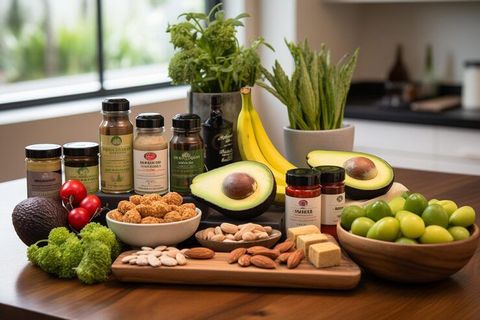
- Healthy fats — olive oil, avocado, nuts, and seeds
- Hydration — water, herbal tea, and minimizing sugary drinks
Protein and fiber are especially important because they help you feel full longer, reducing the temptation to snack on processed, calorie-dense foods between meals.
Building Your Daily Meal Structure
Rather than following a rigid, one-size-fits-all plan, most nutrition experts recommend structuring your day around consistent, balanced meals:
Breakfast: Start with protein and fiber to stabilize blood sugar and avoid mid-morning cravings. Think eggs with vegetables, oatmeal topped with fruit and nuts, or a protein smoothie with greens.
Lunch: Build a plate with a palm-sized portion of protein, a generous serving of vegetables, and a modest portion of whole grains like brown rice or quinoa.
Dinner: Keep it similar to lunch but lighter on starchy carbs if you're less active in the evening — focus on vegetables, lean protein, and healthy fats.
Snacks (if needed): Choose whole foods over packaged snacks — think fruit with nut butter, a handful of nuts, or vegetables with hummus.
Portion Control Without Obsessive Counting
While tracking calories can work for some people, many find it more sustainable to focus on portion awareness instead:
- Use the "plate method" — half vegetables, a quarter protein, a quarter whole grains or starchy vegetables.
- Eat slowly and stop when you feel satisfied, not stuffed.
- Avoid eating directly from packages, which makes it easy to lose track of portions.
- Plan meals ahead of time so you're not making decisions when you're overly hungry.
Foods That Support Weight Loss Naturally
Certain foods tend to support weight management better than others because they're nutrient-dense but relatively low in calories:
- Leafy greens (spinach, kale, arugula)
- Cruciferous vegetables (broccoli, cauliflower, Brussels sprouts)
- Lean proteins (chicken breast, turkey, white fish, tofu)
- Legumes (lentils, chickpeas, black beans)
- Berries (lower in sugar than many other fruits, high in fiber)
- Whole grains (quinoa, oats, brown rice) in moderate portions
These foods provide volume and nutrients without the calorie density of heavily processed alternatives.
Common Meal-Planning Mistakes to Avoid
- Skipping meals — This often backfires by increasing hunger later, leading to overeating.
- Cutting out entire food groups — Severely restricting carbs or fats can be unsustainable and unnecessary for most people.
- Relying on "diet" packaged foods — Many are highly processed and don't keep you full.
- Not planning ahead — Lack of preparation is one of the biggest reasons people fall back on fast food or takeout.
- Expecting rapid results — Sustainable weight loss is typically gradual; extreme approaches are harder to maintain and more likely to be regained.
Meal Prepping for Consistency
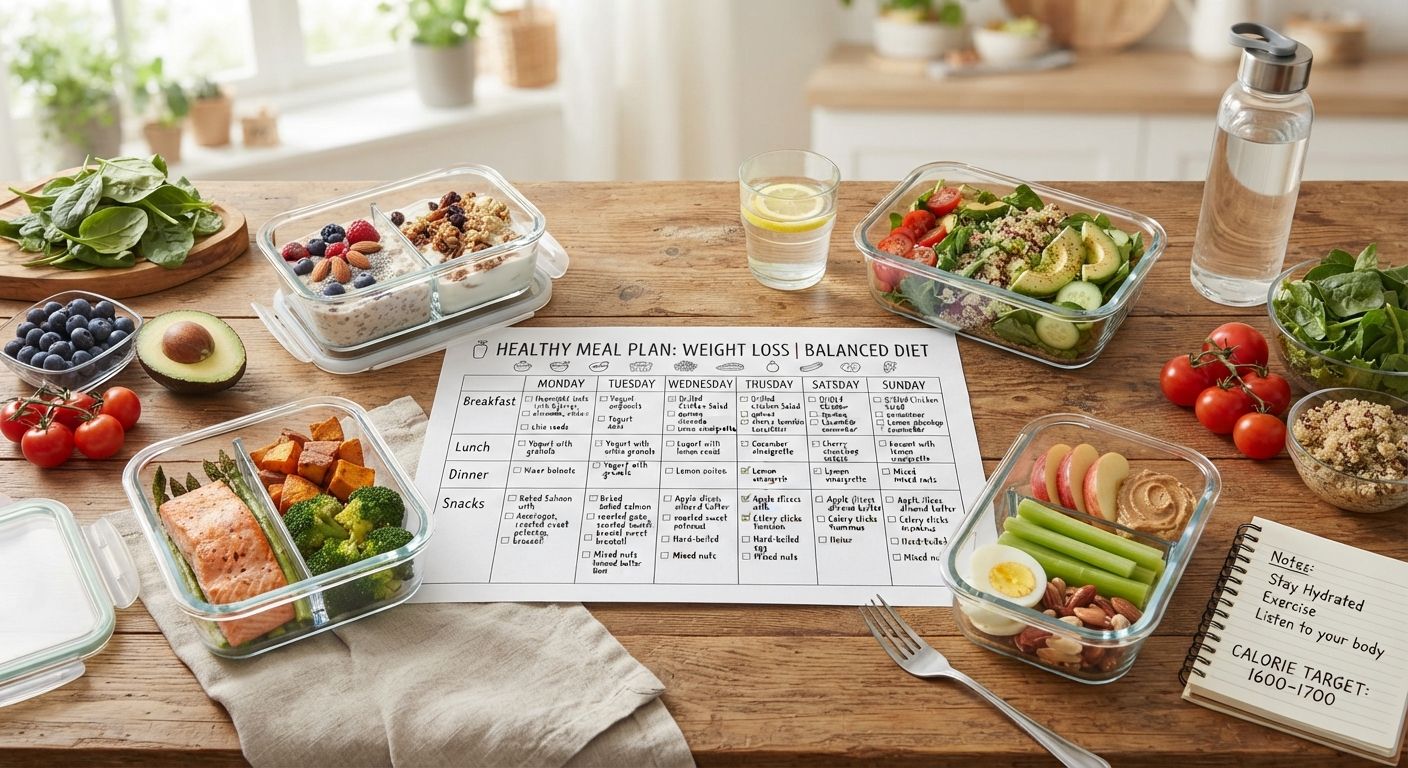
One of the most effective habits for sticking to a healthy meal plan is meal prepping. Setting aside time once or twice a week to prepare proteins, chop vegetables, and portion out grains makes it far easier to make healthy choices during busy weekdays. Batch-cooking staples like grilled chicken, roasted vegetables, and cooked grains means healthy meals are always just minutes away — reducing the temptation to order takeout.
Staying Consistent Long-Term
The most successful approach to weight loss isn't a temporary diet — it's building habits you can maintain indefinitely. Some tips for staying on track:
- Allow flexibility. A rigid all-or-nothing mindset often leads to giving up after one "off" meal. Balanced eating includes room for occasional treats.
- Focus on how you feel, not just the number on the scale — more energy, better digestion, and improved mood are all signs of progress.
- Stay active. Pairing a balanced diet with regular movement supports both weight management and overall health.
- Get enough sleep, since poor sleep is linked to increased hunger hormones and cravings for high-calorie foods.
The Bottom Line
A healthy meal plan for weight loss doesn't require extreme restriction or complicated rules. It comes down to consistently choosing balanced meals — built around lean protein, fiber-rich carbohydrates, healthy fats, and plenty of vegetables — while practicing mindful portion control. Small, sustainable changes to your daily eating habits tend to produce far better long-term results than any short-term fad diet.
If you're just getting started, focus on improving one meal at a time rather than overhauling your entire diet overnight. Consistency, not perfection, is what leads to lasting results.