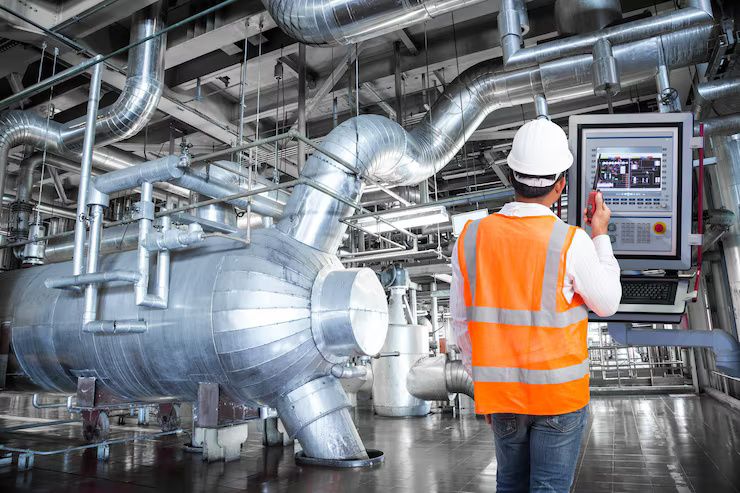
Heat tunnel systems are industrial machines used to apply controlled heat to products, typically for processes such as shrink wrapping, drying, curing, or heat treatment. These systems are widely used in packaging, food processing, pharmaceuticals, and manufacturing industries. A common application is shrink wrapping, where heat tunnels shrink plastic film tightly around products to provide protection and improve presentation.
In recent years, heat tunnel systems have gained importance due to increased demand for efficient packaging solutions, automation in production lines, and improved product safety standards. Businesses are adopting advanced heat tunnels with precise temperature control, energy efficiency, and uniform heat distribution to enhance output quality.
This topic is relevant today as industries focus on optimizing packaging processes, reducing material waste, and improving operational efficiency. Understanding how heat tunnel systems work and how to select the right equipment helps businesses achieve consistent results and meet production requirements.
Who It Affects and What Problems It Solves
Heat tunnel systems impact a variety of industries including packaging, food and beverage, pharmaceuticals, and consumer goods manufacturing. Packaging companies use these systems to ensure secure and visually appealing product wrapping. Food manufacturers rely on heat tunnels for sealing and preserving products. Pharmaceutical companies use them for safe and hygienic packaging.
Operators and production managers benefit from automated heat tunnel systems, which reduce manual effort and improve process consistency. Businesses gain from faster production speeds and improved packaging quality.
Problems It Solves
- Loose or Inconsistent Packaging: Ensures tight and uniform shrink wrapping
- Manual Packaging Limitations: Automates heat-based packaging processes
- Product Protection Issues: Improves durability and safety during transport
- Production Inefficiency: Increases speed and throughput
- Heat Distribution Problems: Provides controlled and even heating
- Material Waste: Optimizes film usage and reduces excess
Heat tunnel systems streamline packaging operations and improve product presentation.
Recent Updates and Industry Trends
The heat tunnel equipment industry has seen several advancements over the past year:
- Energy-Efficient Designs: Reduced power consumption with improved insulation and heating systems
- Digital Temperature Controls: Precise control for consistent results
- Integration with Automated Lines: Seamless operation with conveyors and packaging machines
- Compact and Modular Designs: Suitable for small and medium enterprises
- Improved Airflow Technology: Enhanced heat distribution for uniform shrink results
- Sustainability Focus: Reduced energy usage and eco-friendly packaging materials
In India, growth in e-commerce and packaged goods industries is driving demand for efficient heat tunnel systems.
Comparison Table: Types of Heat Tunnel Systems
| Type of Heat Tunnel | Key Features | Common Applications |
|---|---|---|
| Shrink Tunnel | Uniform heat for shrink wrapping | Packaging, consumer goods |
| Conveyor Heat Tunnel | Continuous operation with conveyor system | High-volume production |
| Infrared Heat Tunnel | Direct heat transfer, energy efficient | Industrial drying, curing |
| Steam Heat Tunnel | Uses steam for gentle heating | Food processing |
| Electric Heat Tunnel | Controlled heating with electric elements | General industrial use |
| Gas Heat Tunnel | High heat output, cost-effective for large scale | Heavy-duty industrial applications |
Laws, Policies, and Government Regulations
Heat tunnel systems are subject to safety and environmental regulations.
Key Regulations
- Industrial Safety Standards: Ensure safe operation of heating equipment
- Electrical and Fire Safety Regulations: Prevent hazards in high-temperature systems
- Food Safety Standards (India): Apply to heat tunnels used in food processing
- Energy Efficiency Guidelines: Promote reduced power consumption
Practical Guidance
- Manufacturers: Should install safety features such as temperature controls and emergency shutdown systems
- Operators: Must be trained to handle high-temperature equipment safely
- Food Industry: Requires compliance with hygiene and safety standards
- Maintenance: Regular inspection ensures efficient and safe operation
Compliance ensures safe usage and reliable performance.
Tools and Resources
Several tools and resources support heat tunnel system operations:
Digital Tools
- Temperature monitoring and control systems
- Production line integration software
Maintenance Tools
- Preventive maintenance scheduling systems
- Diagnostic tools for heating elements
Quality Control Tools
- Heat distribution measurement tools
- Packaging inspection systems
Industry Resources
- Packaging standards and guidelines
- Equipment manuals and technical documentation
Training Resources
- Operator training programs
- Safety certification courses
These resources help improve efficiency, safety, and product quality.
Frequently Asked Questions (FAQ)
What is a heat tunnel system?
A heat tunnel system is a machine that applies controlled heat to products for processes like shrink wrapping, drying, or curing.
How does a shrink tunnel work?
It uses heated air circulated around the product to shrink plastic film tightly around it.
What industries use heat tunnel systems?
Industries such as packaging, food processing, pharmaceuticals, and manufacturing use these systems.
How do you choose the right heat tunnel?
Selection depends on production volume, product type, heating method, and energy requirements.
Are heat tunnel systems energy efficient?
Modern systems are designed to be energy-efficient with improved insulation and control features.
Conclusion
Heat tunnel systems are essential for efficient and high-quality packaging and industrial heating processes. They provide controlled heat application, ensuring consistent results and improved product protection. Advances in technology have enhanced their efficiency, precision, and integration with automated production lines.
Data-driven insights indicate that businesses adopting modern heat tunnel systems benefit from faster production, reduced waste, and improved packaging quality. While basic systems remain suitable for small-scale operations, advanced heat tunnels are increasingly preferred for large-scale manufacturing.
For businesses, selecting the right heat tunnel system depends on application requirements, production scale, and energy considerations. Overall, these systems play a crucial role in modern industrial and packaging operations, supporting efficiency and product quality.