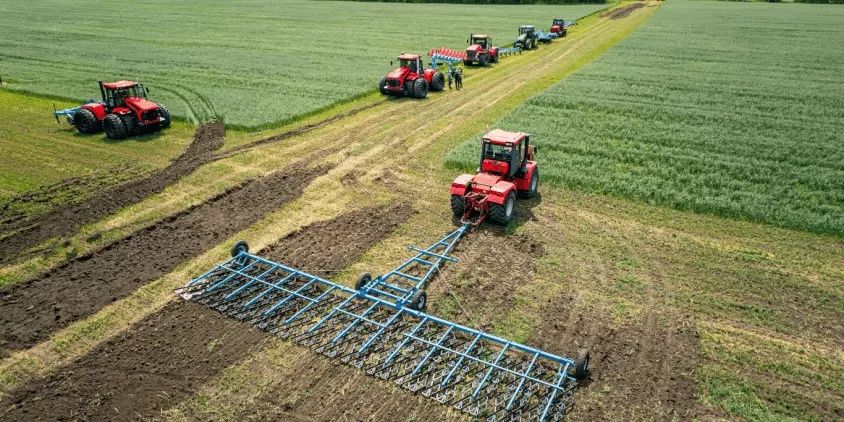
Heavy agriculture machinery refers to large, power-driven equipment used to support farming operations such as land preparation, planting, harvesting, material handling, and post-harvest processing. These machines are designed to manage tasks that require significant force, precision, and consistency across large agricultural areas.
The concept of heavy agriculture machinery developed as farming expanded beyond manual and animal-powered methods. Increasing food demand, larger cultivated land areas, and the need for consistent crop output created a requirement for mechanized solutions. Today, heavy agriculture machinery forms the backbone of modern farming systems by enabling large-scale operations to function efficiently.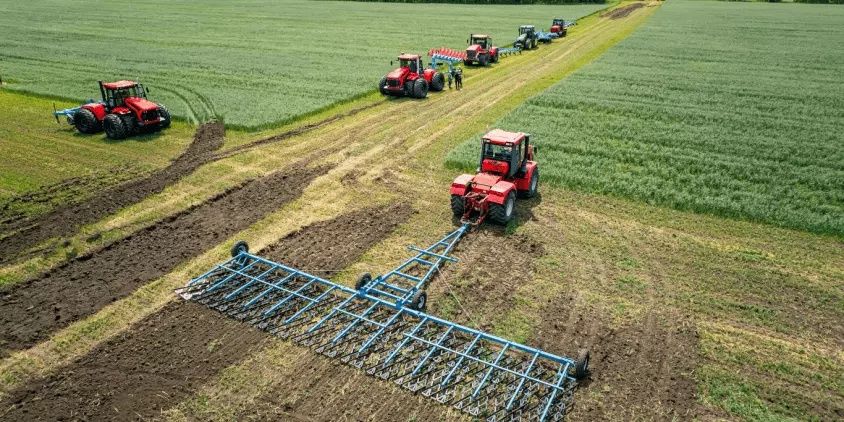
This category of machinery includes tractors, harvesters, loaders, seeders, sprayers, and soil preparation equipment. Together, these machines help transform raw agricultural land into productive farming environments.
Importance: Why Heavy Agriculture Machinery Matters in Modern Farming
Heavy agriculture machinery plays a central role in improving productivity, reducing physical labor, and supporting sustainable farming practices. Its impact is felt across farmers, agricultural planners, food supply chains, and rural economies.
Key reasons this equipment matters include:
-
Improved operational efficiency: Tasks that once took days can now be completed in hours.
-
Consistency in farming activities: Uniform planting, irrigation, and harvesting improve crop quality.
-
Labor optimization: Machinery reduces dependence on manual fieldwork.
-
Scalability: Large farms can operate effectively with fewer operational disruptions.
-
Timely execution: Seasonal activities can be completed within narrow agricultural windows.
Across many regions, agricultural equipment enables farmers to manage soil health, crop rotation, and yield planning with greater control. For both small and large operations, mechanization supports predictable production outcomes and long-term agricultural planning.
Recent Updates: Technology Trends in Farm Machinery
Recent developments in heavy agriculture machinery focus on automation, data integration, and operational accuracy rather than purely mechanical improvements.
Key trends observed in recent periods include:
-
Precision farming integration: Equipment increasingly uses GPS-guided navigation and digital mapping.
-
Sensor-based monitoring: Machines now track soil conditions, crop density, and moisture levels.
-
Automation support: Some systems assist with steering, planting depth, and harvesting alignment.
-
Fuel efficiency improvements: Newer designs emphasize reduced fuel consumption and optimized engine performance.
-
Data connectivity: Machinery can transmit operational data for analysis and planning.
These changes help farm machinery align with modern agricultural practices that prioritize resource optimization and environmental awareness.
Laws or Policies: Regulatory Considerations for Agricultural Machinery
Heavy agriculture machinery operates within regulatory frameworks designed to promote safety, environmental responsibility, and equipment standards. While requirements differ by region, several common policy areas influence machinery usage.
Typical regulatory considerations include:
-
Safety guidelines: Rules covering operator protection, machine guarding, and emergency controls.
-
Environmental regulations: Standards addressing emissions, noise levels, and soil impact.
-
Agricultural modernization programs: Government initiatives encouraging mechanized farming adoption.
-
Equipment certification: Requirements ensuring machinery meets performance and durability benchmarks.
These policies aim to balance productivity with worker safety and environmental stewardship.
Tools and Resources: References Used to Understand Agricultural Machinery
Several tools and informational resources help farmers and planners understand machinery performance and operational planning.
Commonly used references include:
-
Farm equipment calculators for estimating field coverage and fuel usage
-
Soil compatibility charts to match machinery with land conditions
-
Operation manuals outlining working principles and maintenance routines
-
Crop planning templates that align machinery use with seasonal activities
-
Agricultural standards documentation explaining safety and performance guidelines
These resources assist in evaluating how tractor equipment and related machinery fit into broader farming workflows.
Common Types of Heavy Agriculture Machinery
Different machines are designed for specific farming stages, from soil preparation to harvesting.
| Machinery Type | Primary Function | Typical Use |
|---|---|---|
| Tractors | Power source for multiple attachments | Towing, plowing, planting |
| Combine harvesters | Crop harvesting and separation | Grain and cereal crops |
| Seed drills | Precise seed placement | Row crop planting |
| Sprayers | Distribution of liquids | Crop protection and nutrition |
| Loaders | Material handling | Moving soil, feed, or produce |
Selecting the right combination of equipment depends on land size, crop type, and operational goals.
Working Basics: How Heavy Agriculture Machinery Operates
Most heavy agriculture machinery functions through coordinated mechanical, hydraulic, and electronic systems. Engines provide power, while transmissions control movement. Hydraulic circuits enable lifting and steering, and electronic controls manage precision tasks.
Typical operating stages include:
-
Field preparation: Plows and cultivators break soil and remove residue.
-
Planting: Seeders place crops at controlled depth and spacing.
-
Crop maintenance: Sprayers and spreaders distribute nutrients.
-
Harvesting: Harvesters collect and separate crops.
-
Material handling: Loaders move harvested produce or inputs.
Modern systems often integrate onboard computers that support navigation and performance tracking. These features help optimize productivity while minimizing waste.
FAQs
What is heavy agriculture machinery used for?
Heavy agriculture machinery supports large-scale farming tasks such as soil preparation, planting, harvesting, and material handling.
How does farm machinery improve productivity?
Farm machinery reduces manual effort, increases speed, and enables consistent execution of agricultural operations.
What factors influence machinery selection?
Land size, crop type, soil condition, and operational objectives all influence equipment choice.
Is agricultural equipment suitable for small farms?
Yes. Smaller-scale versions of agricultural equipment exist for limited land areas, while larger machines support commercial farming.
Why is maintenance important for tractor equipment?
Regular upkeep ensures reliable performance, extends equipment lifespan, and reduces unexpected downtime.
Conclusion: Understanding the Role of Heavy Agriculture Machinery
Heavy agriculture machinery remains a foundational element of modern farming by enabling efficient land management, crop production, and harvesting operations. From tractors to harvesters, these machines support every stage of agricultural activity. As technology advances, machinery continues to evolve toward greater precision, efficiency, and data integration. Understanding the types, uses, and working basics of heavy agriculture machinery helps farmers and planners align equipment choices with long-term agricultural goals.