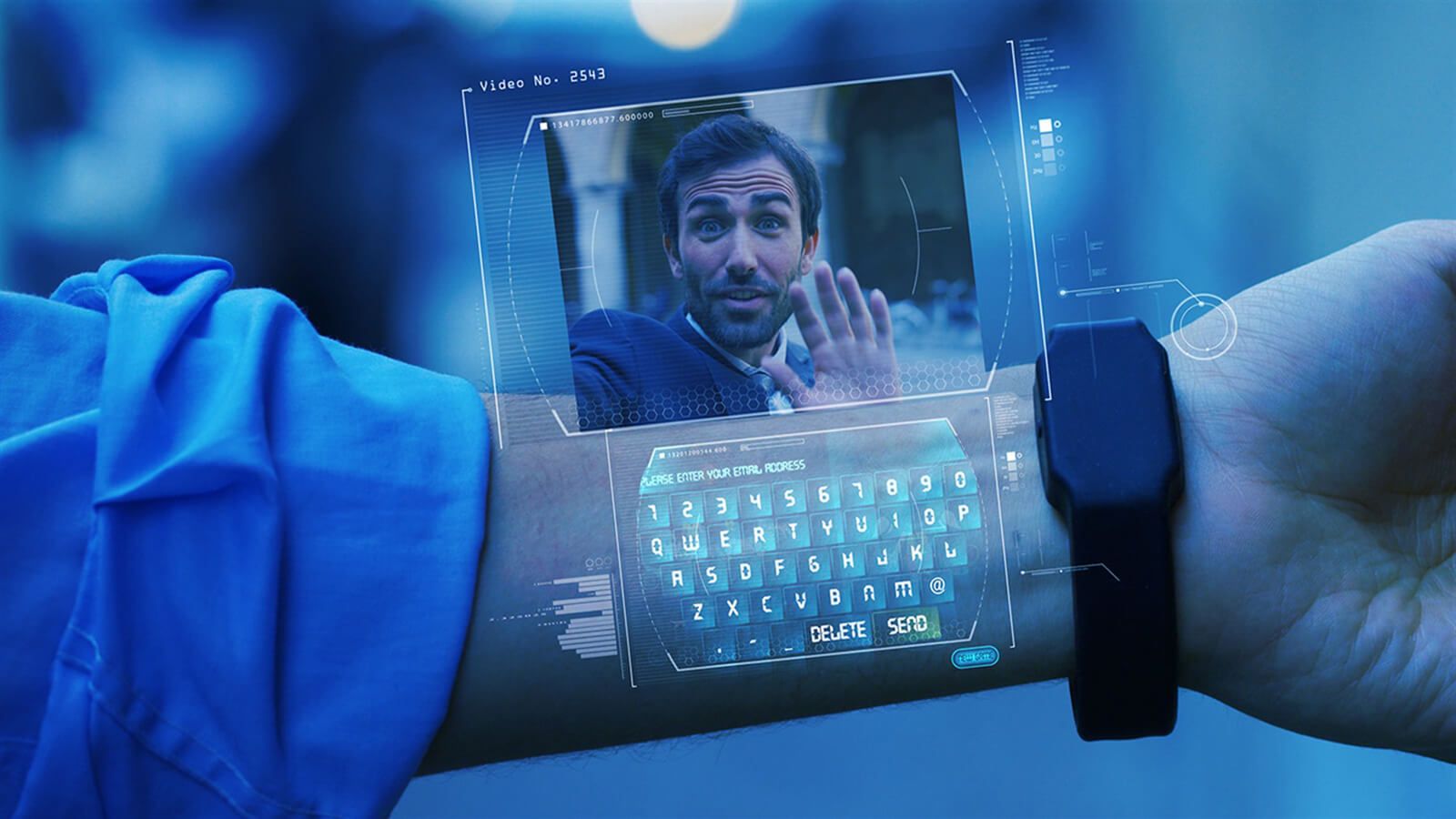
Holographic displays are advanced visualization systems that create three-dimensional images that appear to float in space. Unlike traditional screens, which show flat images, holographic technology reconstructs light fields so the human eye perceives depth, perspective, and motion naturally.
This concept originates from holography, a scientific method that records and reconstructs light patterns. Over time, developments in optics, computing, and digital signal processing have made it possible to generate dynamic holographic visuals in real time.
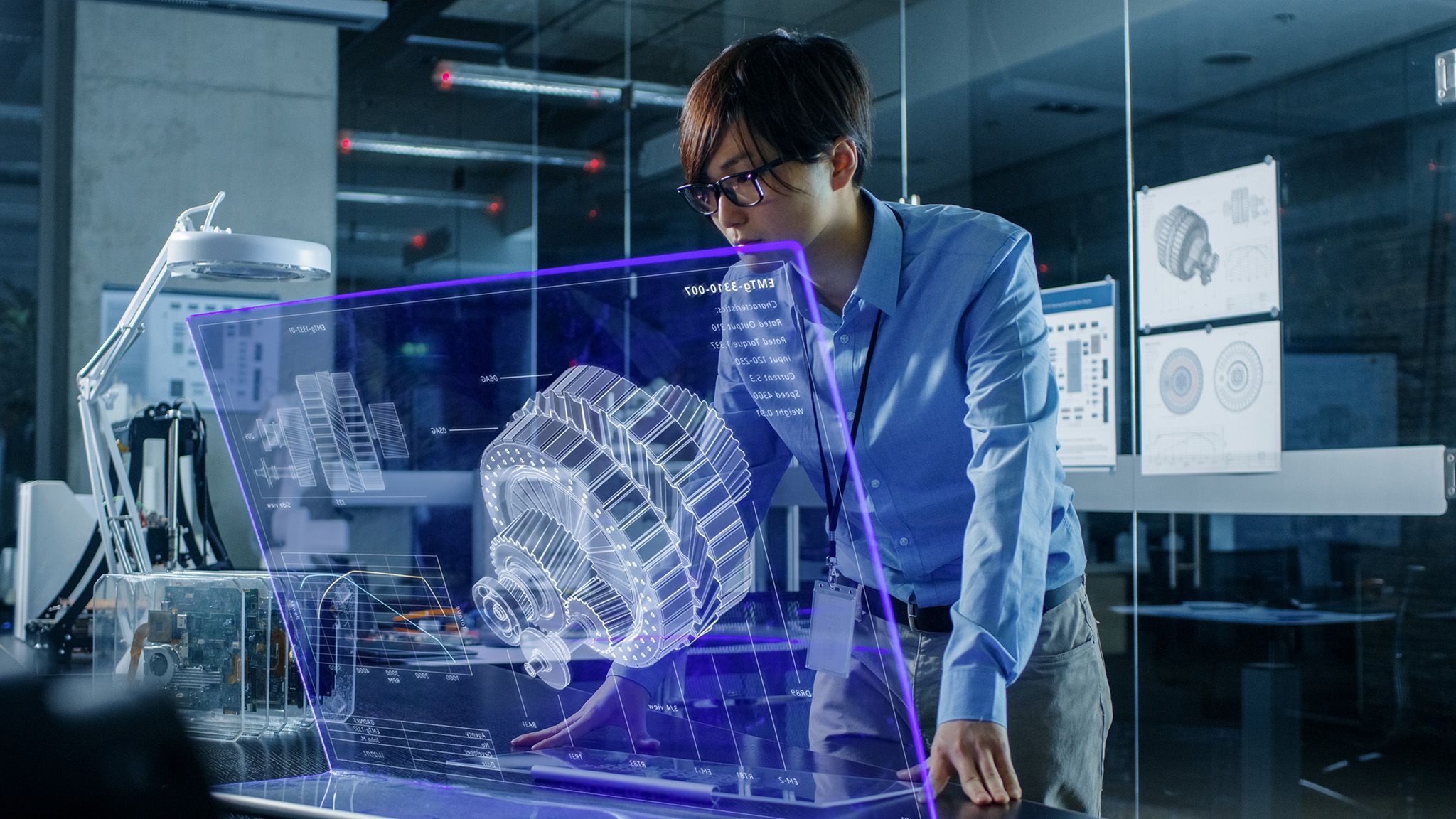
The need for holographic displays arises from limitations in conventional displays. Flat screens cannot fully replicate how humans perceive depth in the real world. As digital experiences become more immersive—especially in areas like simulation, visualization, and communication—there is a growing demand for technologies that bridge the gap between virtual and physical environments.
Holographic displays aim to meet this need by enabling more natural interaction with digital content, without requiring headsets or specialized glasses in some cases.
Why Holographic Displays Matter Today
Holographic display technology is gaining attention because it addresses several modern challenges in visualization and communication.
One key benefit is improved spatial understanding. In fields such as medical imaging and engineering design, being able to see objects in three dimensions helps users analyze complex structures more accurately.
Another important aspect is user interaction. Traditional interfaces rely on touchscreens or input devices, but holographic displays can enable gesture-based or spatial interaction, making digital systems more intuitive.
The technology affects a wide range of sectors:
-
Healthcare: Enables better visualization of anatomy and diagnostic data
-
Education: Enhances learning through interactive 3D models
-
Automotive and aerospace: Assists in design and simulation processes
-
Entertainment and media: Creates immersive viewing experiences
-
Retail and advertising: Improves product visualization and engagement
Holographic displays also help solve problems such as screen fatigue and limited field-of-view. By presenting information in a more natural format, they can reduce cognitive load and improve user experience.
Recent Updates and Emerging Trends
Holographic display technology has seen significant advancements recently, driven by progress in hardware, software, and artificial intelligence.
One major trend is the integration of real-time rendering engines. These systems use high-performance computing and AI algorithms to generate holographic images quickly and efficiently.
Another development is the shift toward compact and scalable designs. Earlier holographic systems were large and complex, but newer prototypes are becoming more practical for everyday environments, including desktops and mobile setups.
Cloud-based processing is also emerging as a key trend. Instead of relying entirely on local hardware, some holographic systems now use remote servers to process large datasets and stream visual outputs.
The following table highlights key trends and their impact:
| Trend | Description | Impact on Users |
|---|---|---|
| Real-time rendering | Faster image generation using advanced GPUs | Smoother and interactive visuals |
| AI-enhanced visualization | Improved image clarity and depth perception | More accurate representations |
| Compact display systems | Smaller and portable holographic devices | Increased accessibility |
| Cloud integration | Remote processing of complex data | Reduced hardware limitations |
| Multi-user interaction | Shared holographic environments | Better collaboration |
Another notable trend is the convergence with augmented reality and virtual reality technologies. While these fields are distinct, they increasingly share components such as sensors, rendering engines, and spatial mapping systems.
Laws, Policies, and Ethical Considerations
Holographic display technology is influenced by various regulatory and ethical frameworks, even though it is still evolving.
One important area is data privacy. Since holographic systems may capture and process spatial and visual data, they must comply with data protection regulations. This includes how user interactions and visual inputs are stored and managed.
Another aspect is content regulation. As holographic displays become more common in public and professional environments, guidelines are needed to ensure that content is appropriate, accurate, and non-misleading.
There are also health and safety standards to consider. These relate to prolonged exposure to visual displays, brightness levels, and potential eye strain. Manufacturers and developers are expected to follow established display safety guidelines.
In addition, intellectual property laws play a role. Holographic content creation involves unique designs and digital assets, which must be protected under copyright and licensing frameworks.
Governments and industry bodies are gradually developing policies to address these areas, ensuring that innovation aligns with user safety and ethical practices.
Tools, Platforms, and Learning Resources
Several tools and platforms support the development and understanding of holographic display technology. These resources are useful for learners, researchers, and professionals.
Development and Visualization Tools:
-
3D modeling software for creating holographic content
-
Real-time rendering engines for interactive visualization
-
Optical simulation tools for designing display systems
Educational Resources:
-
Online courses on optics and photonics
-
Tutorials on 3D graphics and spatial computing
-
Research publications and technical papers
Useful Platforms and Utilities:
-
Simulation environments for testing holographic projections
-
Visualization dashboards for analyzing 3D data
-
File formats and converters for holographic content
The following table summarizes common resource categories:
| Resource Type | Purpose | Example Use Case |
|---|---|---|
| 3D modeling tools | Create digital objects | Product visualization |
| Rendering engines | Generate realistic visuals | Interactive simulations |
| Optical simulators | Design holographic systems | Research and prototyping |
| Learning platforms | Provide theoretical knowledge | Skill development |
| Data visualization | Analyze complex datasets | Scientific research |
These tools help bridge the gap between theoretical knowledge and practical application, making holographic technology more accessible.
Frequently Asked Questions
What is a holographic display in simple terms?
A holographic display is a system that creates three-dimensional images in space, allowing viewers to see depth and perspective without relying on flat screens.
Do holographic displays require special glasses?
Some systems require glasses, while others are designed to be viewed with the naked eye. The requirement depends on the technology used.
Where are holographic displays commonly used?
They are used in healthcare, education, engineering, entertainment, and research for visualization and interaction.
Are holographic displays the same as virtual reality?
No, they are different. Virtual reality typically uses headsets to create immersive environments, while holographic displays project images into physical space.
What are the main challenges of this technology?
Challenges include high computational requirements, complexity in design, and the need for improved scalability and accessibility.
Conclusion
Holographic displays represent a significant step forward in how digital information is presented and experienced. By enabling true three-dimensional visualization, they address limitations of traditional screens and open new possibilities across multiple fields.
The growing importance of this technology is driven by the need for better interaction, improved understanding of complex data, and more immersive experiences. Recent advancements in computing, artificial intelligence, and display design are accelerating its development.
At the same time, regulatory frameworks and ethical considerations are shaping how holographic systems are used, ensuring that innovation remains responsible and user-focused.