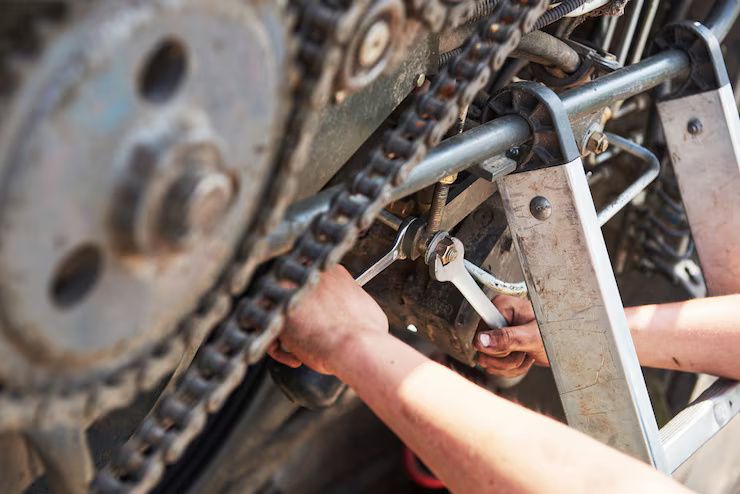
Hydraulic equipment assembly refers to the structured process of putting together hydraulic components so they function as a complete system. These systems use pressurized fluid to generate motion and force, enabling machines to lift, push, rotate, or control heavy loads. Hydraulic assembly exists because many industrial, construction, agricultural, and manufacturing tasks require controlled power that mechanical or electrical systems alone cannot always deliver efficiently.
A hydraulic system typically includes pumps, cylinders, valves, hoses, seals, reservoirs, and fittings. Each component must be assembled in the correct order and orientation to ensure proper fluid flow and pressure balance. Even small assembly errors can affect performance, reliability, or safety.
As machinery became more complex and workloads increased, standardized assembly processes were developed to improve consistency and reduce failures. Today, hydraulic equipment assembly is a carefully defined practice that combines engineering knowledge, material compatibility, and precise handling of components.
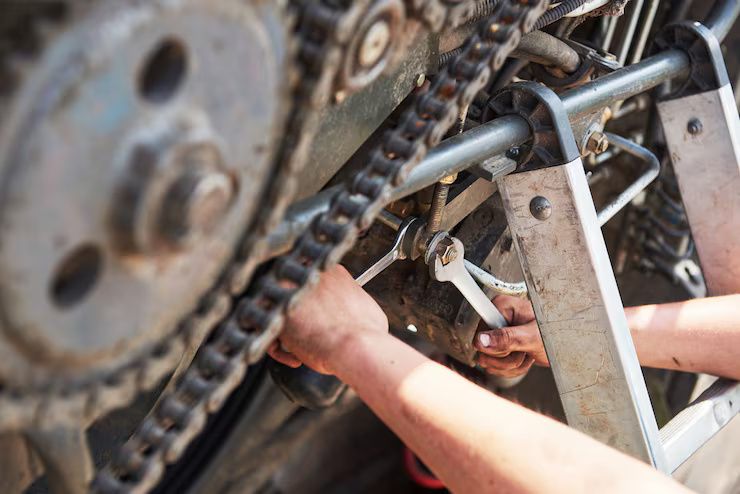
Importance: Why Hydraulic Equipment Assembly Matters Today
Hydraulic equipment plays a critical role in modern infrastructure and industry. Assembly quality directly affects how safely and efficiently hydraulic systems operate. A well-assembled system ensures smooth motion, predictable performance, and long-term durability.
Key reasons hydraulic equipment assembly is important include:
-
Ensuring correct pressure control and fluid movement
-
Reducing the risk of leaks, contamination, and system failure
-
Supporting reliable operation in demanding environments
-
Extending the operational life of hydraulic components
Hydraulic assembly affects many groups, including equipment operators, maintenance teams, engineers, and organizations that depend on heavy machinery. Improper assembly can lead to downtime, reduced efficiency, or safety hazards.
Common challenges addressed through proper assembly include:
-
Misalignment of components causing uneven wear
-
Fluid contamination leading to reduced efficiency
-
Pressure imbalance affecting system responsiveness
As automation and heavy-duty equipment usage continue to expand, the importance of accurate hydraulic assembly processes remains high.
Recent Updates: Trends and Developments in Hydraulic Assembly
Over the past year, hydraulic equipment assembly has seen gradual but meaningful updates driven by efficiency goals, digital integration, and safety awareness. Developments during 2025 focused on improving accuracy and reducing manual errors.
Notable trends observed in 2025 include:
-
Standardized modular components: Increased use of pre-engineered modules to simplify assembly
-
Digital documentation: Wider adoption of digital assembly manuals and interactive diagrams
-
Improved sealing technologies: Advances in seal materials to reduce leakage risks
-
Condition monitoring integration: Assembly designs supporting sensors for pressure and temperature tracking
Manufacturers also refined torque specifications and cleanliness standards to align with higher system pressures. These updates reflect a broader industry focus on reliability and predictive maintenance rather than reactive repairs.
As hydraulic systems are increasingly combined with electronic controls, assembly processes continue adapting to support hybrid designs.
Laws and Policies: Regulations Affecting Hydraulic Equipment Assembly
Hydraulic equipment assembly is influenced by safety regulations, engineering standards, and industry guidelines. These rules help ensure systems operate safely and consistently across different environments.
Common regulatory and policy considerations include:
-
Workplace safety requirements for pressurized systems
-
Equipment design and assembly standards
-
Environmental rules related to fluid handling and containment
-
Documentation and traceability guidelines
International organizations such as ISO define technical standards that influence hydraulic component design and assembly practices. In many regions, occupational safety frameworks also reference these standards to reduce risk during equipment operation.
Government-supported industrial programs often encourage the adoption of standardized assembly methods to improve manufacturing quality and equipment reliability. Compliance with these rules helps reduce accidents and supports consistent system performance.
Tools and Resources: Helpful References for Hydraulic Assembly Knowledge
A range of tools and resources support hydraulic equipment assembly by improving accuracy, documentation, and understanding. These resources are used across manufacturing floors, training environments, and maintenance planning.
Common categories of tools and resources include:
-
Precision measurement and torque tools
-
Assembly diagrams and technical manuals
-
Fluid cleanliness and inspection tools
-
Training references and safety checklists
Examples of commonly used resources:
| Resource Type | Purpose | Typical Use |
|---|---|---|
| Torque Charts | Define tightening limits | Prevent over-tightening |
| Assembly Diagrams | Visualize component order | Reduce errors |
| Cleanliness Guides | Maintain fluid purity | System reliability |
| Inspection Checklists | Verify assembly steps | Quality assurance |
Organizations such as IFPS publish educational materials that explain hydraulic principles, assembly practices, and system behavior in a structured manner.
These tools help ensure hydraulic systems are assembled consistently and operate as intended.
Visual Overview: Typical Hydraulic Assembly Workflow
The table below outlines a simplified hydraulic equipment assembly workflow:
| Assembly Stage | Description |
|---|---|
| Component Inspection | Checking parts for defects or damage |
| Cleaning and Preparation | Removing contaminants from surfaces |
| Sub-Assembly | Assembling smaller component groups |
| Final Assembly | Integrating all components into the system |
| Testing and Verification | Confirming pressure and flow behavior |
This overview highlights the importance of preparation and verification in hydraulic assembly processes.
FAQs: Common Questions About Hydraulic Equipment Assembly
What is the main goal of hydraulic equipment assembly?
The primary goal is to ensure that all components work together to control fluid flow and pressure safely and efficiently.
Why is cleanliness important during assembly?
Contaminants such as dust or metal particles can damage components and reduce system performance.
How does incorrect assembly affect hydraulic systems?
Incorrect assembly may cause leaks, pressure loss, uneven motion, or premature component wear.
Are hydraulic assembly processes standardized?
Yes. Many assembly practices follow established engineering standards and manufacturer guidelines.
Can hydraulic systems be modified after assembly?
Systems can be adjusted or expanded, but changes must follow proper procedures to maintain safety and performance.
Conclusion: Understanding Hydraulic Equipment Assembly in Modern Industry
Hydraulic equipment assembly is a foundational process that enables powerful and controlled machine operation across many industries. It exists to ensure that complex hydraulic components function together reliably under pressure and load.
By understanding the context, importance, recent developments, regulatory considerations, and available resources related to hydraulic assembly, readers gain clearer insight into how these systems are built and maintained. As machinery continues to evolve, careful and standardized assembly practices will remain essential to safe, efficient, and long-lasting hydraulic performance.