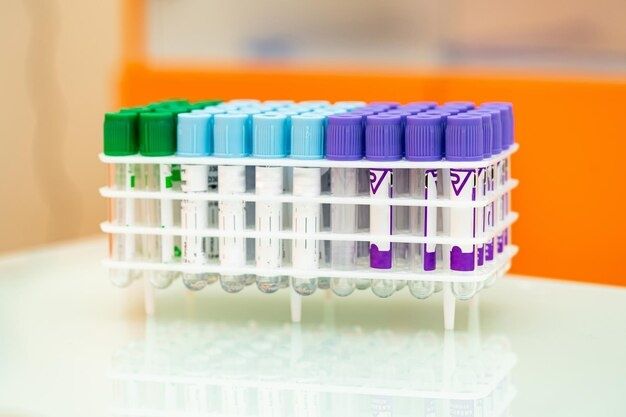
IL-6 ELISA kits are laboratory diagnostic tools used to detect and quantify Interleukin-6 (IL-6), a cytokine involved in immune response, inflammation, and disease progression. These kits are widely used in biomedical research, clinical studies, pharmaceutical development, and diagnostic laboratories to measure IL-6 levels in biological samples such as serum, plasma, cell culture supernatants, and tissue extracts.
IL-6 ELISA kits exist to provide accurate, reproducible, and sensitive detection of IL-6, enabling researchers and clinicians to study immune responses, disease progression, and therapeutic outcomes. As cytokine research continues to expand, IL-6 ELISA testing has become a standard method for inflammatory and immunological analysis.
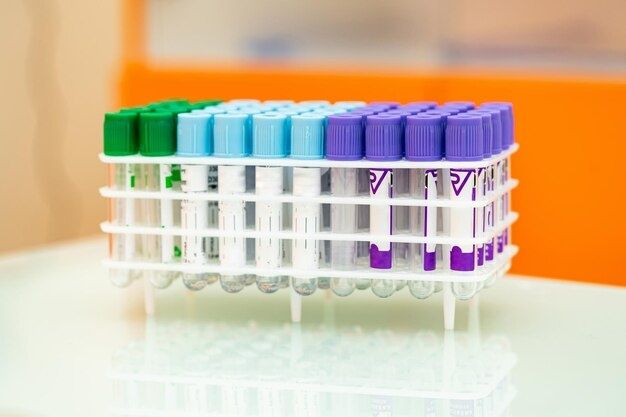
Context: What IL-6 ELISA Kits Are and Why They Exist
Interleukin-6 is a multifunctional cytokine produced by immune cells such as macrophages, T-cells, and fibroblasts. It plays a central role in inflammation, infection response, autoimmune disorders, and cancer biology. Measuring IL-6 levels is critical for understanding immune activation and disease mechanisms.
IL-6 ELISA kits exist to:
-
Enable precise cytokine quantification
-
Support immunological and inflammatory research
-
Provide standardized testing methods
-
Reduce variability in laboratory results
-
Support drug discovery and biomarker analysis
Before ELISA-based detection, cytokine measurement relied on less sensitive and less specific bioassays. ELISA technology transformed cytokine research by offering high sensitivity and reproducibility.
Importance: Why IL-6 ELISA Kits Matter Today
IL-6 ELISA kits are essential tools in modern life science and medical research.
Key Reasons IL-6 ELISA Kits Are Important
1. Inflammation Research
Helps study acute and chronic inflammatory responses.
2. Disease Biomarker Analysis
Supports research into autoimmune diseases, infections, and cancers.
3. Drug Development and Clinical Trials
Monitors treatment effectiveness and immune modulation.
4. Precision and Reproducibility
Provides consistent quantitative results.
5. Translational and Clinical Research Support
Bridges laboratory findings with clinical insights.
This topic is relevant to immunologists, molecular biologists, clinical researchers, pharmaceutical scientists, diagnostic labs, and academic institutions.
Recent Updates: IL-6 ELISA Research Trends (2024–2025)
IL-6 testing continues to evolve with advancements in laboratory diagnostics.
1. High-Sensitivity ELISA Kits
Improved detection of low-level cytokine expression.
2. Multiplex Cytokine Assays
Simultaneous measurement of multiple cytokines.
3. Automation-Compatible ELISA Platforms
Higher throughput and reduced manual error.
4. Improved Antibody Specificity
Lower cross-reactivity and higher accuracy.
5. Expanded Clinical Research Use
Increased use in inflammatory and immune response studies.
Laws & Policies Affecting IL-6 ELISA Kits
IL-6 ELISA kits are regulated under laboratory reagent and research-use guidelines.
Key considerations include:
-
Research-use-only (RUO) labeling requirements
-
Laboratory quality and validation standards
-
Good Laboratory Practice (GLP) guidelines
-
Biosafety handling regulations
-
Import and distribution compliance rules
Proper compliance ensures safe and ethical laboratory use.
Principle of IL-6 ELISA Kits
IL-6 ELISA kits typically operate using a sandwich ELISA principle.
-
Capture antibodies bind IL-6 from the sample
-
Unbound substances are washed away
-
Detection antibodies bind to captured IL-6
-
Enzyme-linked secondary antibodies are added
-
Substrate reaction produces a measurable signal
-
Optical density is measured using an ELISA reader
The signal intensity correlates with IL-6 concentration in the sample.
Types of IL-6 ELISA Kits
IL-6 ELISA kits are available in different formats based on sensitivity and application.
Standard IL-6 ELISA Kits
Used for routine cytokine measurement.
High-Sensitivity IL-6 ELISA Kits
Detect very low IL-6 concentrations.
Quantitative IL-6 ELISA Kits
Provide precise concentration values.
Species-Specific ELISA Kits
Human, mouse, rat, and other species.
Multiplex Compatible Assays
Support broader cytokine profiling.
IL-6 ELISA Testing Workflow
IL-6 ELISA testing follows a standardized laboratory protocol.
-
Sample preparation and dilution
-
Plate coating with capture antibody
-
Sample incubation
-
Washing steps
-
Detection antibody incubation
-
Enzyme conjugate addition
-
Substrate development
-
Reaction stopping
-
Optical density measurement
-
Data analysis using standard curves
Careful execution ensures accurate results.
Materials Used in IL-6 ELISA Kits
Each kit contains carefully validated components.
Microtiter Plates
Pre-coated or uncoated wells.
Capture and Detection Antibodies
High-affinity monoclonal or polyclonal antibodies.
Enzyme Conjugates
Typically horseradish peroxidase (HRP).
Standards and Controls
Known IL-6 concentrations.
Buffers and Wash Solutions
Ensure optimal binding and washing.
Substrate Solutions
Generate colorimetric signals.
IL-6 ELISA Kit Components and Functions
| Component | Function | Importance |
|---|---|---|
| Capture Antibody | Binds IL-6 | Assay specificity |
| Detection Antibody | Signal amplification | Measurement accuracy |
| Enzyme Conjugate | Signal generation | Sensitivity |
| Standards | Calibration | Quantification |
| Substrate | Color development | Result visualization |
Applications of IL-6 ELISA Kits
IL-6 ELISA kits are widely used across research and clinical domains.
Immunology Research
Studying immune activation pathways.
Inflammatory Disease Research
Rheumatoid arthritis, IBD, and sepsis studies.
Cancer Research
Tumor microenvironment analysis.
Pharmaceutical Research
Evaluating drug effects on cytokine levels.
Clinical and Translational Studies
Monitoring immune biomarkers.
Benefits of Using IL-6 ELISA Kits
High Sensitivity
Detects low cytokine levels.
High Specificity
Minimizes cross-reactivity.
Reproducibility
Standardized protocols ensure consistency.
Cost-Effective
Compared to advanced molecular assays.
Wide Compatibility
Works with common lab equipment.
Challenges & Considerations
IL-6 ELISA testing requires careful handling.
-
Sample degradation risks
-
Interference from serum components
-
Need for proper calibration
-
Storage condition sensitivity
-
Operator technique variability
Following protocols reduces errors.
How to Choose the Right IL-6 ELISA Kit
Identify Species Compatibility
Human, mouse, or rat kits.
Check Sensitivity Range
Match expected IL-6 levels.
Verify Validation Data
Accuracy and reproducibility.
Assess Sample Compatibility
Serum, plasma, or culture media.
Review Kit Components
Standards, controls, and reagents included.
Best Practices for IL-6 ELISA Use
-
Proper sample storage at recommended temperatures
-
Avoid repeated freeze-thaw cycles
-
Follow incubation times strictly
-
Use calibrated plate readers
-
Include controls in each assay run
-
Maintain clean laboratory conditions
These practices ensure reliable outcomes.
Frequently Asked Questions
1. What does IL-6 indicate in research?
IL-6 reflects inflammatory and immune activity.
2. Is IL-6 ELISA quantitative?
Yes, it provides concentration measurements.
3. Can IL-6 ELISA detect low cytokine levels?
High-sensitivity kits can detect very low levels.
4. Which samples are suitable?
Serum, plasma, and cell culture supernatants.
5. Are IL-6 ELISA kits reusable?
No, they are single-use consumable kits.
Conclusion
IL-6 ELISA kits are indispensable tools in immunology, inflammation research, and biomedical science. By providing accurate and reproducible measurement of interleukin-6, these kits support disease research, therapeutic development, and biomarker discovery.
Understanding ELISA principles, kit components, applications, regulatory considerations, and best practices enables laboratories to generate reliable data and meaningful insights. As cytokine research continues to advance, IL-6 ELISA kits will remain central to immune system analysis and translational research.