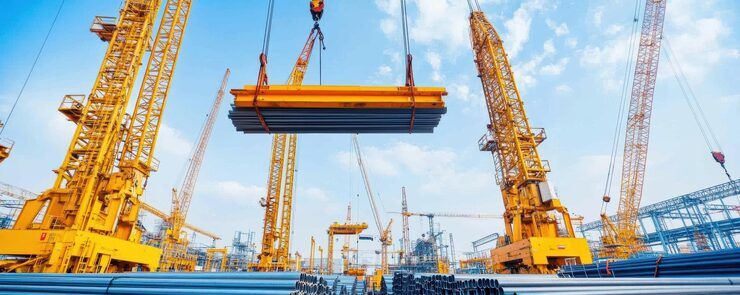
Heavy lift crane ships are specialized marine vessels designed to lift and transport extremely large and heavy structures at sea. These structures can include offshore platforms, subsea modules, wind turbine components, and large industrial equipment. A heavy lift crane ship combines the capabilities of a floating platform with powerful cranes, allowing it to perform complex lifting tasks in offshore environments where land-based cranes cannot operate.
The development of heavy lift crane ship technology is closely linked to the growth of offshore industries, particularly oil and gas and, more recently, offshore wind energy. As projects moved into deeper waters and harsher conditions, conventional lifting methods became impractical. This led to the evolution of crane vessels equipped with advanced systems for positioning, stability, and load handling.
Understanding crane vessel stability analysis and crane ship operations offshore is essential because these vessels operate under dynamic conditions. Waves, wind, and currents continuously affect the ship’s balance, making precise engineering and operational planning critical. Over time, heavy lift crane ship design standards have been established to ensure safety, reliability, and efficiency in these demanding environments.
Importance
Heavy lift crane ships play a crucial role in building and maintaining offshore infrastructure that supports energy production and maritime logistics. They enable the installation of offshore platforms, pipelines, and wind farms, which contribute to energy supply for industries and households.
Several real-world challenges highlight their importance. First, offshore construction often involves components weighing thousands of tonnes, requiring precise lifting and placement. Second, remote ocean locations limit the use of traditional equipment, making crane vessels the only viable solution. Third, safety risks are significant, as improper lifting or instability can lead to structural damage or environmental incidents.
Crane vessel stability analysis directly impacts operational safety. Engineers must calculate how lifting a heavy load affects the ship’s center of gravity and buoyancy. If not properly managed, the vessel could tilt excessively or become unstable. Offshore crane load chart analysis helps operators determine safe lifting limits based on conditions such as boom angle, radius, and sea state.
Additionally, offshore crane safety systems engineering ensures that both crew and equipment remain protected. These systems include load monitoring, automatic shutdown mechanisms, and redundancy features to prevent failures during critical operations.
Recent Updates
From 2024 to 2026, the heavy lift crane ship sector has seen gradual but meaningful changes driven by energy transition and digital technology. One major trend is the increasing demand for larger crane vessels to support offshore wind projects. Wind turbine components have grown significantly in size, requiring cranes with higher lifting capacities and extended reach.
Another development is the integration of digital monitoring systems. Modern crane vessels now use real-time data analytics to improve crane vessel stability analysis. Sensors track vessel motion, load weight, and environmental conditions, allowing operators to make informed decisions during lifts.
Automation has also advanced in offshore crane safety systems engineering. Semi-automated crane controls help reduce human error, especially during complex lifts. These systems can adjust crane movements based on pre-programmed parameters and live data inputs.
Environmental considerations have influenced heavy lift crane ship design standards as well. New vessels are being designed with reduced emissions and improved energy efficiency. Hybrid propulsion systems and optimized hull designs are becoming more common, reflecting broader sustainability goals in maritime operations.
Laws or Policies
Heavy lift crane ship operations are governed by a combination of international maritime regulations and national rules. These frameworks ensure that vessels operate safely and minimize risks to people and the environment.
Internationally, organizations such as the International Maritime Organization (IMO) set standards for ship safety, construction, and environmental protection. Guidelines related to stability, load handling, and emergency procedures are particularly relevant to crane vessels.
Classification societies, including bodies like Lloyd’s Register and DNV, establish heavy lift crane ship design standards. These organizations provide technical rules for vessel construction, crane systems, and stability calculations. Compliance with these standards is typically required for certification.
In countries with offshore industries, additional regulations apply. For example, offshore crane operations must follow safety protocols related to lifting procedures, crew training, and equipment inspection. These rules often require detailed offshore crane load chart analysis before any lifting activity begins.
Environmental policies also influence crane ship operations offshore. Regulations may limit emissions, control waste disposal, and require contingency planning for spills or accidents. Together, these policies create a structured framework that guides safe and responsible offshore lifting activities.
Tools and Resources
A range of tools and resources support engineers and operators involved in heavy lift crane ship activities. These tools help with planning, analysis, and real-time decision-making.
Some commonly used resources include:
- Stability analysis software, which models vessel behavior under different loading conditions and environmental factors
- Crane simulation programs, allowing operators to visualize lifts and assess risks before execution
- Load chart calculators, used for offshore crane load chart analysis to determine safe lifting capacities
- Weather forecasting platforms, providing data on wind, waves, and currents that affect crane ship operations offshore
- Digital monitoring systems, which collect and display real-time data on vessel motion, load weight, and crane performance
Below is a simplified table showing key factors considered in crane vessel stability analysis:
| Factor | Description | Impact on Stability |
|---|---|---|
| Load Weight | Total weight being lifted | Increases tipping risk |
| Lift Radius | Distance from crane to load | Affects leverage and balance |
| Vessel Draft | Depth of vessel below waterline | Influences buoyancy |
| Sea State | Wave height and motion | Causes dynamic instability |
| Wind Speed | Force acting on crane and load | Adds lateral pressure |
| Ballast Distribution | Water or weight used to balance the vessel | Helps maintain equilibrium |
These tools and factors work together to ensure that lifting operations remain within safe limits. Proper use of these resources is essential for maintaining stability and preventing incidents.
FAQs
What is a heavy lift crane ship and how does it work?
A heavy lift crane ship is a vessel equipped with large cranes designed to lift and install heavy structures offshore. It works by positioning itself near the load, stabilizing through ballast and positioning systems, and using cranes to lift and place objects with precision.
Why is crane vessel stability analysis important?
Crane vessel stability analysis ensures that the ship remains balanced during lifting operations. It evaluates how the weight and position of a load affect the vessel’s center of gravity, helping prevent excessive tilting or capsizing.
What is offshore crane load chart analysis?
Offshore crane load chart analysis involves reviewing charts that define the safe lifting capacity of a crane under specific conditions. These charts consider factors such as boom length, lifting radius, and environmental conditions to determine safe limits.
What are the key heavy lift crane ship design standards?
Heavy lift crane ship design standards include rules for structural strength, crane capacity, stability, and safety systems. These standards are set by classification societies and ensure that vessels can safely perform offshore lifting operations.
How do offshore crane safety systems engineering practices improve safety?
Offshore crane safety systems engineering incorporates technologies such as load sensors, automatic shutdown systems, and redundancy features. These systems monitor operations in real time and help prevent accidents caused by overloads or equipment failure.
Conclusion
Heavy lift crane ships are essential for modern offshore construction and energy projects. Their design combines advanced engineering with specialized equipment to handle extremely large loads in challenging marine environments. Stability analysis, load chart evaluation, and safety systems all play a central role in ensuring safe operations. As offshore industries evolve, these vessels continue to adapt through improved technology and stricter standards. Understanding their function and design helps clarify their importance in global infrastructure development.