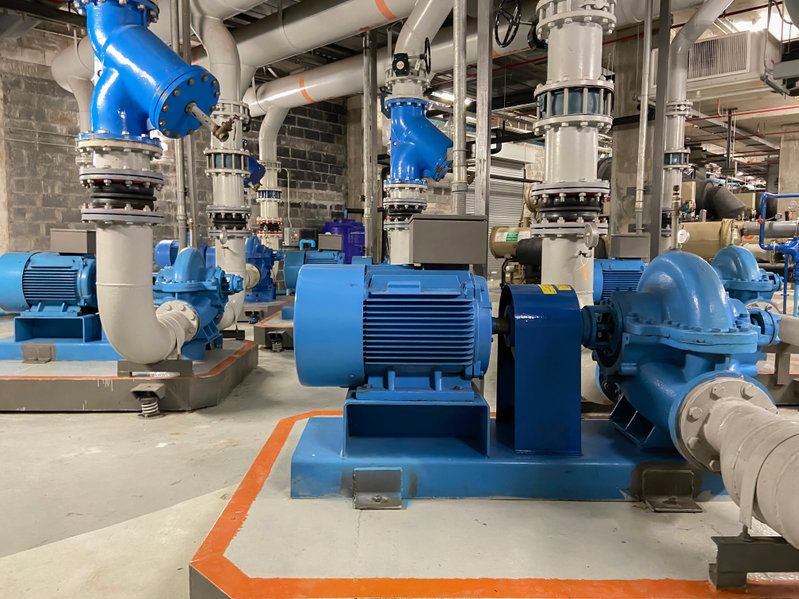
Industrial air compressors are mechanical systems designed to convert power into compressed air, which is then used to operate machinery, tools, and processes across multiple industries. These systems work by reducing the volume of air, increasing its pressure, and storing it for controlled use.
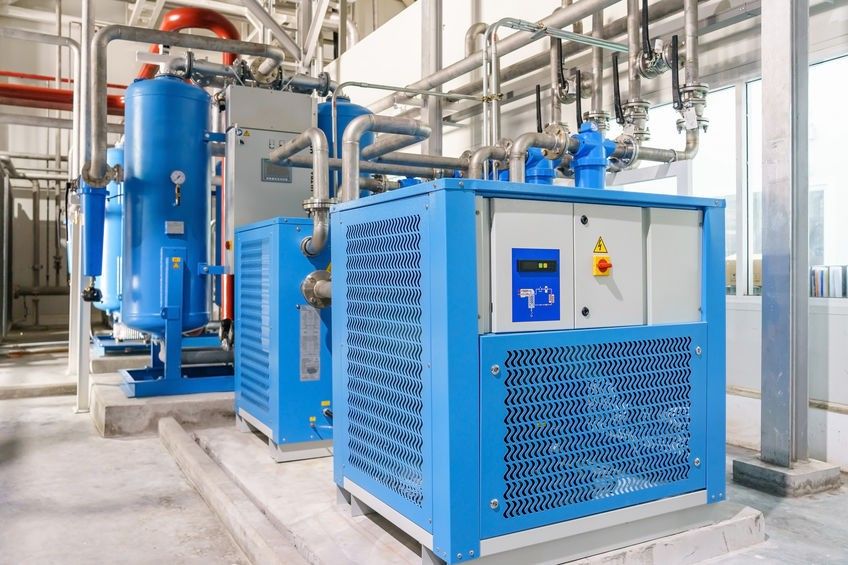
Compressed air is often described as the “fourth utility,” alongside electricity, water, and gas. It plays a central role in manufacturing, construction, energy production, and even healthcare environments.
Common types of industrial air compressors include:
-
Reciprocating compressors – Use pistons to compress air
-
Rotary screw compressors – Provide continuous airflow for large-scale operations
-
Centrifugal compressors – Suitable for high-capacity industrial systems
-
Scroll compressors – Known for quiet operation and precision
These systems are typically integrated into industrial automation systems, pneumatic control systems, and energy-efficient manufacturing processes, making them a key part of modern industrial infrastructure.
Importance – Why Industrial Air Compressors Matter
Industrial air compressors are essential because they enable reliable and efficient operation across multiple sectors. Their importance continues to grow as industries focus on productivity, automation, and energy optimization.
Key reasons why they matter:
-
Operational efficiency: They power tools and machines with consistent pressure and performance
-
Versatility: Used in industries like automotive manufacturing, food processing, pharmaceuticals, and construction
-
Energy management: Modern systems contribute to energy efficiency optimization and reduced operational waste
-
Automation support: Critical for industrial automation solutions and robotics
-
Clean energy applications: Oil-free compressors are used in sensitive environments such as healthcare and electronics
Industries that rely heavily on compressed air systems include:
| Industry Sector | Key Applications |
|---|---|
| Manufacturing | Assembly lines, pneumatic tools |
| Construction | Drilling, hammering, painting |
| Food & Beverage | Packaging, processing |
| Healthcare | Medical air supply systems |
| Energy & Power | Gas compression, system control |
Compressed air systems also help solve challenges such as:
-
Maintaining consistent production output
-
Reducing manual labor through automation
-
Supporting precision-based operations
-
Enhancing workplace safety
Recent Updates – Trends and Technological Developments
Industrial air compressor technology has evolved significantly, with a strong focus on sustainability, digital monitoring, and system efficiency.
Recent developments include:
-
Smart compressor systems: Integration with IoT for real-time monitoring and predictive maintenance
-
Variable speed drive (VSD) compressors: Adjust motor speed based on demand, improving energy savings
-
Energy-efficient compressor systems: Designed to reduce power consumption and carbon footprint
-
Oil-free air technology: Increasing demand in industries requiring contamination-free air
-
Heat recovery systems: Reuse of heat generated during compression for other industrial processes
Emerging trends shaping the industry:
-
Adoption of AI-driven maintenance insights
-
Increased use of remote monitoring dashboards
-
Growth in compressed air system audits
-
Focus on sustainable industrial solutions
Example of efficiency comparison:
| Compressor Type | Energy Efficiency | Maintenance Level | Typical Use Case |
|---|---|---|---|
| Reciprocating | Medium | High | Small-scale operations |
| Rotary Screw | High | Medium | Continuous industrial use |
| Centrifugal | Very High | Low | Large-scale facilities |
| Scroll | High | Low | Clean and quiet operations |
These advancements support industries aiming to improve productivity while minimizing environmental impact.
Laws or Policies – Regulatory and Compliance Framework
Industrial air compressors are subject to various regulations that ensure safety, energy efficiency, and environmental protection.
In many countries, including India, regulations typically focus on:
-
Energy efficiency standards: Governed by organizations like the Bureau of Energy Efficiency (BEE)
-
Emission control norms: Ensuring reduced environmental impact
-
Workplace safety regulations: Covering pressure systems and equipment safety
-
Industrial compliance guidelines: For installation, operation, and maintenance
Key regulatory considerations:
-
Pressure vessel safety standards
-
Noise level compliance
-
Air quality requirements for specific industries
-
Energy performance certification
Government initiatives often promote:
-
Adoption of high-efficiency industrial equipment
-
Implementation of energy audit programs
-
Use of sustainable manufacturing technologies
Compliance helps organizations maintain safe operations while aligning with environmental and industrial standards.
Tools and Resources – Helpful Solutions and Technologies
Several tools and resources are available to help industries optimize air compressor systems and improve performance.
Useful tools include:
-
Compressed air energy calculators – Estimate power consumption and efficiency
-
Leak detection tools – Identify and reduce air loss in systems
-
Maintenance management software – Track servicing schedules and system health
-
Energy monitoring systems – Analyze usage patterns and optimize performance
-
Pressure drop calculators – Ensure proper system design
Common digital solutions:
-
Industrial IoT dashboards
-
Predictive maintenance platforms
-
Performance analytics tools
-
System design simulation software
Practical resources:
-
Equipment manuals and technical documentation
-
Industry standards and guidelines
-
Training modules for system operation
These tools support industrial efficiency optimization, system reliability improvement, and data-driven decision making.
FAQs – Common Questions About Industrial Air Compressors
What is the main function of an industrial air compressor?
An industrial air compressor converts power into compressed air, which is used to operate tools, machinery, and automated systems in various industries.
Which type of compressor is best for continuous operation?
Rotary screw compressors are widely used for continuous operation due to their efficiency and ability to deliver a steady airflow.
How can energy efficiency be improved in compressor systems?
Energy efficiency can be improved by using variable speed drives, fixing air leaks, optimizing pressure levels, and implementing energy monitoring systems.
What is the difference between oil-free and oil-lubricated compressors?
Oil-free compressors provide clean air without contamination, making them suitable for sensitive industries, while oil-lubricated compressors are typically more durable for heavy-duty applications.
Why is maintenance important for air compressors?
Regular maintenance ensures system reliability, prevents breakdowns, improves efficiency, and extends the lifespan of the equipment.
Conclusion
Industrial air compressors play a foundational role in modern industrial operations, supporting everything from manufacturing to healthcare. Their ability to deliver reliable, high-pressure air makes them essential for productivity, automation, and operational efficiency.
With advancements in smart technology, energy-efficient systems, and sustainable practices, air compressors are becoming more intelligent and environmentally responsible. At the same time, regulatory frameworks ensure safe and efficient usage across industries.
Understanding compressor types, system optimization strategies, and available tools allows organizations to make informed decisions and improve overall performance. As industries continue to evolve, industrial air compressors will remain a critical component of efficient and scalable operations.