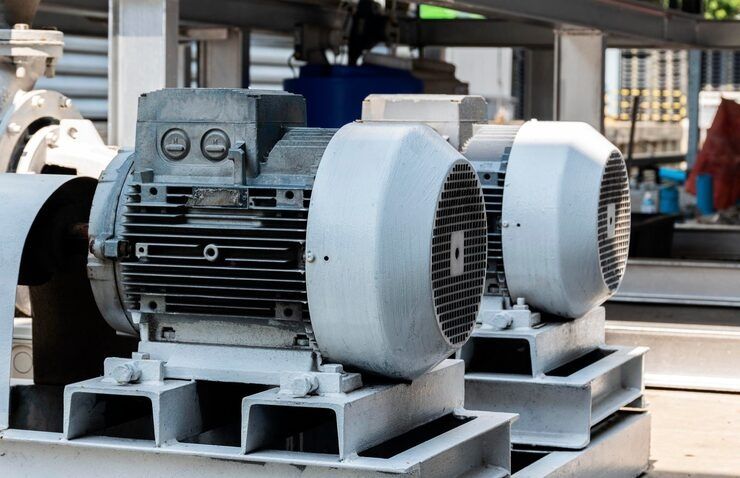
Industrial air movement systems are essential for maintaining airflow, ventilation, and pressure control in various environments. Among these systems, industrial blowers are widely used to move air or gases through ducts, equipment, and industrial spaces. Unlike simple fans, blowers are designed to deliver air at higher pressure levels, making them suitable for demanding industrial processes.
Unlike simple fans, blowers are designed to deliver air at higher pressure levels, making them suitable for demanding industrial processes. The concept of controlled airflow has existed for centuries, beginning with basic ventilation systems in workshops and furnaces. As industries expanded, the need for efficient air movement led to the development of mechanical blowers. Over time, improvements in engineering and materials allowed for more precise airflow control and higher performance.
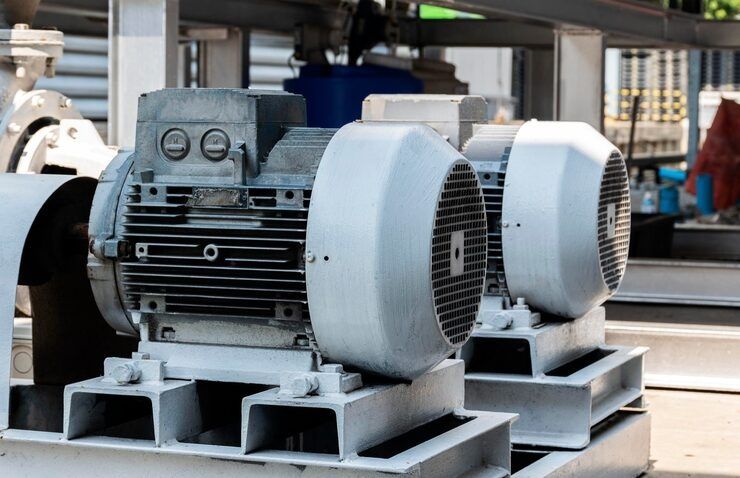
Today, industrial blowers are used in manufacturing plants, power generation facilities, wastewater treatment systems, and HVAC applications. These machines are designed to handle different airflow requirements, from low-pressure ventilation to high-pressure industrial processes.
Understanding the types, working principles, and applications of industrial blowers helps explain their role in maintaining safe, efficient, and controlled industrial environments.
Importance
Industrial blowers play a key role in supporting many everyday processes, even if they are not always visible. They are used to move air, remove contaminants, and regulate temperature in industrial settings. Without proper airflow management, many systems would face operational challenges.
One important function of industrial blowers is maintaining air quality. In factories, blowers help remove dust, fumes, and airborne particles, contributing to a safer working environment.
They also support process efficiency by ensuring consistent airflow in systems such as combustion chambers, drying units, and cooling systems.
Key reasons why industrial blowers are important include:
- Air circulation and ventilation: Helps maintain airflow in enclosed industrial spaces.
- Pollution control: Assists in removing harmful gases and particulate matter from industrial emissions.
- Temperature regulation: Supports cooling and heating systems in manufacturing processes.
- Material handling: Enables pneumatic conveying systems that transport powders and granules.
- Process support: Maintains airflow in equipment such as furnaces and boilers.
Industries such as cement production, chemical processing, food manufacturing, and power generation rely heavily on these systems to ensure stable operations.
Recent Updates
Recent developments in industrial blower technology reflect broader trends in energy efficiency, automation, and environmental management. These changes aim to improve performance while reducing energy consumption and environmental impact.
Energy-Efficient Designs
Manufacturers are focusing on improving motor efficiency and airflow design. Advanced impeller shapes and optimized airflow paths help reduce energy usage while maintaining performance.
Integration with Smart Systems
Modern industrial blowers often include digital monitoring systems. Sensors track parameters such as airflow rate, pressure, and temperature, allowing operators to monitor performance in real time.
Automation systems can adjust blower speed based on demand, improving overall system efficiency.
Noise Reduction Technologies
Noise control has become an important area of development. Improved casing designs and sound-dampening materials help reduce operational noise levels in industrial environments.
Adaptation for Environmental Applications
Industrial blowers are increasingly used in pollution control systems, including air filtration and emission management. These systems help industries align with environmental regulations and sustainability goals.
Compact and Modular Designs
Some newer systems are designed to occupy less space while maintaining functionality. Modular designs allow easier integration into existing industrial setups.
These trends indicate a shift toward more efficient, adaptable, and environmentally conscious airflow systems.
Laws or Policies
The use of industrial blowers is influenced by regulations related to air quality, workplace safety, and energy efficiency. These rules help ensure that industrial operations do not negatively impact workers or the environment.
Air Quality Regulations
In many countries, environmental authorities set limits on industrial emissions. Blowers are often part of systems that control or filter pollutants before they are released into the atmosphere.
In India, agencies such as the Central Pollution Control Board (CPCB) establish guidelines for emission control and air pollution management.
Workplace Safety Standards
Industrial ventilation systems must meet safety requirements to protect workers from harmful exposure. Proper airflow reduces the concentration of dust, fumes, and hazardous gases.
Factories are typically required to follow occupational safety standards related to ventilation and air handling.
Energy Efficiency Guidelines
Energy consumption is an important consideration in industrial operations. Some regulations encourage or require the use of energy-efficient equipment, including blowers with optimized motor systems.
Equipment and Design Standards
Engineering standards define the design and performance of industrial blowers. These standards ensure compatibility, safety, and reliability across different applications.
Compliance with these regulations helps industries maintain safe and responsible operations.
Tools and Resources
Various tools and resources are available to support the selection, operation, and maintenance of industrial blowers. These tools help engineers and technicians understand airflow requirements and system performance.
Common tools and resources include:
- Airflow calculation tools: Used to estimate required airflow rates for specific applications.
- Performance charts: Provide information on pressure, flow rate, and efficiency of blower systems.
- Monitoring systems: Digital platforms that track real-time performance data.
- Maintenance checklists: Structured guides for inspecting and maintaining blower components.
- Engineering software: Used to design airflow systems and simulate operating conditions.
Types of Industrial Blowers
Industrial blowers are categorized based on their design and working principle. The following table outlines common types and their characteristics.
| Type of Blower | Working Principle | Common Applications |
|---|---|---|
| Centrifugal Blower | Uses rotating impeller to increase air velocity and pressure | HVAC systems, dust collection |
| Axial Blower | Moves air parallel to the axis of rotation | Ventilation, cooling systems |
| Positive Displacement Blower | Traps and moves fixed volumes of air | Pneumatic conveying, wastewater treatment |
| High-Speed Blower | Operates at high rotational speeds for compact performance | Industrial processes requiring continuous airflow |
| Multistage Blower | Uses multiple impellers to increase pressure in stages | High-pressure industrial systems |
Each type is suited to specific airflow and pressure requirements, depending on the industrial application.
FAQs
What are industrial blowers used for?
Industrial blowers are used to move air or gases in industrial systems. They support ventilation, pollution control, cooling, drying, and material handling processes.
How do industrial blowers work?
Industrial blowers work by using rotating components such as impellers or rotors to increase air velocity and pressure. This movement forces air through ducts or systems where it is needed.
What are the main types of industrial blowers?
The main types include centrifugal blowers, axial blowers, and positive displacement blowers. Each type operates differently and is used for specific airflow and pressure requirements.
What is the difference between a fan and an industrial blower?
A fan typically moves air at low pressure, while an industrial blower delivers air at higher pressure. This allows blowers to handle more demanding industrial applications.
Where are industrial blowers commonly used?
Industrial blowers are commonly used in manufacturing plants, power stations, wastewater treatment facilities, chemical processing units, and HVAC systems.
Conclusion
Industrial blowers are essential components in modern industrial systems, providing controlled airflow for ventilation, cooling, and process support. Their ability to deliver air at higher pressure levels makes them suitable for a wide range of applications.
Advancements in energy efficiency, automation, and environmental performance continue to shape the development of industrial blower technology. At the same time, regulations related to air quality and workplace safety influence how these systems are designed and used.
Understanding the types, working principles, and applications of industrial blowers provides a clear view of their role in maintaining efficient and safe industrial operations.