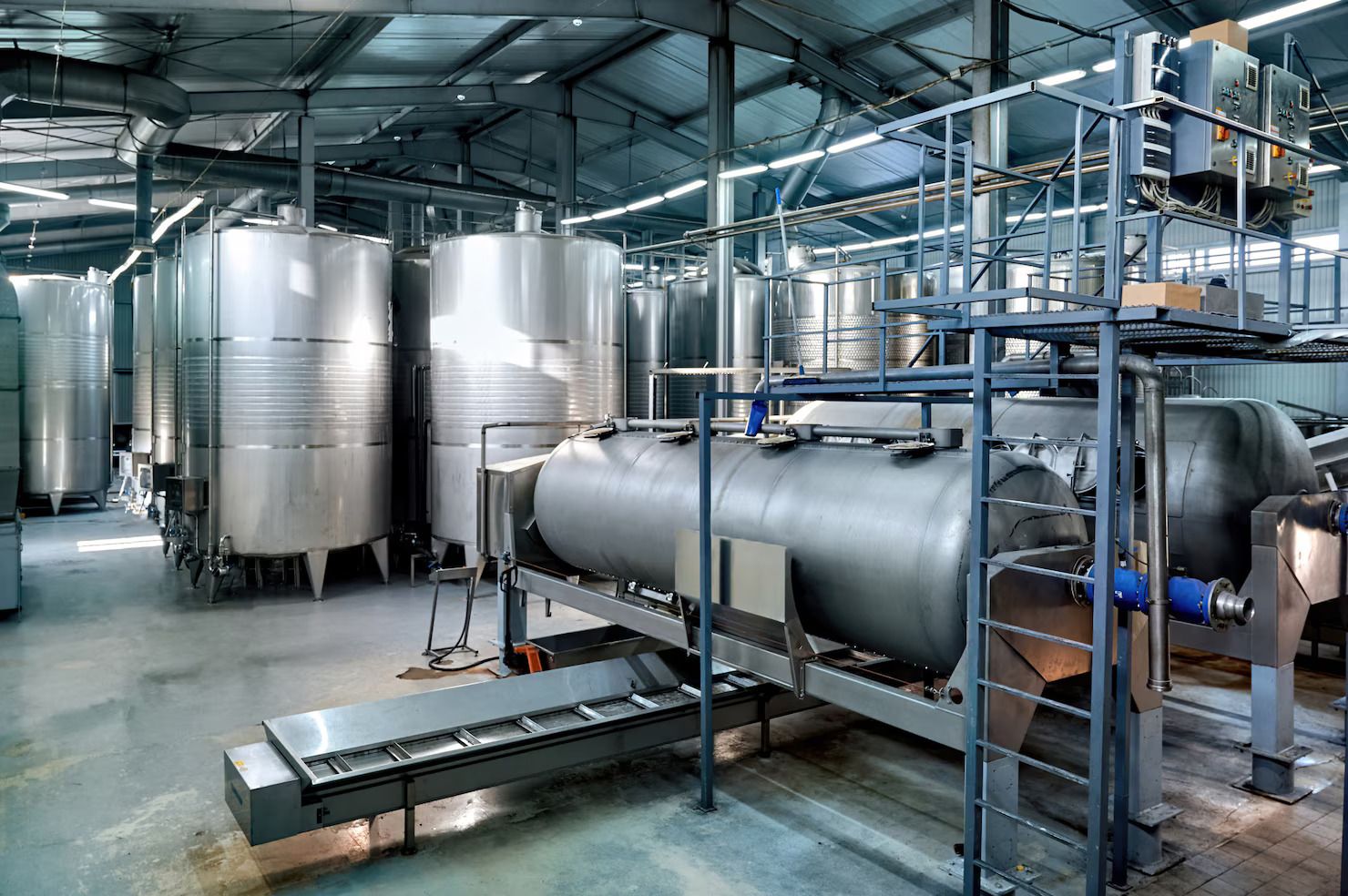
Industrial boilers and burners are key components used to produce heat and steam for manufacturing and processing operations. Boilers generate steam or hot water by heating water using fuels such as natural gas, biomass, oil, or electricity. Burners are the devices that mix fuel with air and ignite the mixture to create controlled combustion inside the boiler system.
Steam generated by industrial boilers powers turbines, sterilizes equipment, supports chemical reactions, and heats manufacturing facilities. Many industries depend on these systems, including food processing, pharmaceuticals, petrochemicals, textiles, and power generation.
Why These Systems Exist
Industrial processes often require consistent and high-temperature heat sources. Boilers and burners provide a controlled and efficient way to generate that energy. Historically, steam boilers were central to the Industrial Revolution, and modern systems have evolved with advanced automation, safety controls, and energy optimization features.
Today, industrial heating systems combine combustion technology, sensors, digital monitoring, and emissions control equipment to maintain performance and safety.
Basic Components of Industrial Boiler Systems
| Component | Function |
|---|---|
| Boiler Vessel | Contains water and converts it into steam |
| Burner | Combines fuel and air to create combustion |
| Heat Exchanger | Transfers thermal energy to water |
| Control System | Regulates temperature, pressure, and combustion |
| Exhaust Stack | Releases combustion gases safely |
These elements work together to ensure stable steam production and efficient heat transfer.
Importance of Industrial Boilers and Burners
Role in Modern Manufacturing
Industrial boilers are essential to many manufacturing operations because they supply thermal energy required for production processes. Industries rely on steam for heating, sterilization, drying, and mechanical power generation.
For example:
| Industry | Boiler Application |
|---|---|
| Food Processing | Cooking, sterilization, and packaging |
| Pharmaceuticals | Sterile production environments |
| Chemical Plants | Reaction heating and distillation |
| Textile Manufacturing | Dyeing and fabric treatment |
| Energy Sector | Steam turbines for electricity |
Without reliable heating systems, many industrial processes would be inefficient or impossible.
Energy Efficiency and Operational Stability
Modern boilers are designed to improve fuel efficiency and reduce emissions. High-efficiency burners ensure optimal air-fuel mixing, which increases combustion performance while minimizing wasted fuel.
Advanced control systems also help industries monitor steam demand and automatically adjust burner output. This helps maintain stable temperatures and pressure levels while reducing energy consumption.
Environmental Considerations
Industrial heating systems can contribute to emissions if not properly managed. New technologies focus on improving combustion efficiency and integrating emissions reduction equipment such as:
- Flue gas recirculation systems
- Low-NOx burners
- Heat recovery units
- Continuous emissions monitoring systems
These technologies help facilities reduce environmental impact while maintaining industrial productivity.
Recent Updates in Industrial Boiler Technology
Digital Monitoring and Smart Boiler Systems (2024–2025)
In the past year, industrial boiler technology has increasingly incorporated digital monitoring tools and predictive maintenance systems. Many manufacturers now use industrial Internet of Things (IIoT) sensors to track system performance in real time.
Sensors monitor parameters such as:
- Steam pressure
- Fuel consumption
- Exhaust temperature
- Combustion efficiency
These systems provide data analytics that help detect faults early and improve operational efficiency.
Growth of Hydrogen-Ready Burners (2025)
Another emerging trend is the development of hydrogen-compatible burner systems. As industries explore low-carbon energy options, some boiler manufacturers have begun designing burners capable of operating with hydrogen or hydrogen-blended fuels.
Hydrogen combustion produces water vapor instead of carbon dioxide, which makes it attractive for long-term decarbonization strategies.
Waste Heat Recovery Systems
Industrial facilities are also installing heat recovery technologies that capture exhaust heat from boiler flue gases and reuse it within the facility. This process improves overall energy efficiency and reduces fuel requirements.
Waste heat recovery boilers are increasingly used in power plants, steel production, and cement manufacturing.
Laws and Policies Affecting Industrial Boilers
Emission Standards
Industrial boilers operate under environmental regulations that limit pollutants such as nitrogen oxides (NOx), sulfur dioxide (SO₂), and particulate matter. These rules encourage the adoption of cleaner combustion technologies.
For example, many countries follow emission standards inspired by international frameworks for industrial pollution control.
Boiler Safety Regulations
Governments also enforce safety regulations to prevent accidents caused by high-pressure steam systems. Boiler operation typically requires regular inspections, certified operators, and compliance with engineering standards.
Important regulatory areas include:
- Pressure vessel safety codes
- Periodic inspection requirements
- Emission reporting standards
- Combustion efficiency guidelines
Energy Efficiency Programs
Some countries encourage industries to upgrade to efficient boiler systems through energy management initiatives. These programs promote technologies that reduce fuel consumption and greenhouse gas emissions.
In many industrial sectors, energy audits and efficiency reporting have become standard compliance practices.
Tools and Resources for Understanding Industrial Boilers
Industrial Boiler Calculators
Several engineering tools help professionals estimate steam output, energy efficiency, and fuel usage. These calculators allow engineers to evaluate system performance and optimize industrial heating processes.
Typical calculation tools include:
| Tool Type | Purpose |
|---|---|
| Steam Load Calculator | Estimates required steam capacity |
| Combustion Efficiency Calculator | Measures burner efficiency |
| Fuel Consumption Estimator | Predicts fuel usage |
| Heat Transfer Calculator | Evaluates boiler heat performance |
Monitoring and Control Platforms
Digital platforms now allow remote monitoring of industrial boilers. These systems track performance metrics and generate alerts when operational conditions change.
Common monitoring features include:
- Pressure monitoring dashboards
- Fuel efficiency analysis
- Emissions tracking
- Predictive maintenance alerts
Educational Resources
Engineers and facility managers often rely on technical guides, engineering standards, and professional training programs to improve their understanding of boiler systems.
Technical documentation commonly includes:
- Industrial energy efficiency guides
- Combustion engineering manuals
- Boiler operation training materials
- Industrial safety standards documentation
These resources help professionals maintain safe and efficient heating operations.
Frequently Asked Questions
What is the main purpose of an industrial boiler?
An industrial boiler produces steam or hot water that supplies thermal energy for manufacturing processes. This energy supports heating, sterilization, mechanical power generation, and chemical processing.
How do industrial burners work?
Industrial burners mix fuel with air in a controlled ratio and ignite the mixture to create combustion. The resulting heat transfers to water inside the boiler, producing steam or hot water.
What fuels are used in industrial boilers?
Industrial boilers can operate using several fuels including natural gas, oil, biomass, coal, and increasingly hydrogen blends. The choice of fuel depends on energy availability, environmental regulations, and facility requirements.
What is a low-NOx burner?
A low-NOx burner is designed to reduce nitrogen oxide emissions during combustion. It achieves this by controlling flame temperature, air distribution, and fuel mixing to minimize pollutant formation.
Why is boiler efficiency important?
Boiler efficiency determines how effectively fuel energy is converted into usable heat. Higher efficiency reduces fuel consumption, lowers emissions, and improves industrial energy management.
Conclusion
Industrial boilers and burners play a fundamental role in global manufacturing and energy systems. These technologies generate the heat and steam required for countless industrial processes, from food production to power generation.
Modern boiler systems have evolved significantly through the integration of digital monitoring, advanced combustion technology, and environmental controls. These innovations allow industries to improve energy efficiency while meeting increasingly strict environmental standards.
As global industries focus on sustainability and operational efficiency, the development of cleaner fuels, hydrogen-ready burners, and heat recovery systems will continue shaping the future of industrial heating technology.
Understanding how these systems function, the regulations that govern them, and the tools available for monitoring performance helps organizations maintain safe, efficient, and environmentally responsible industrial operations.