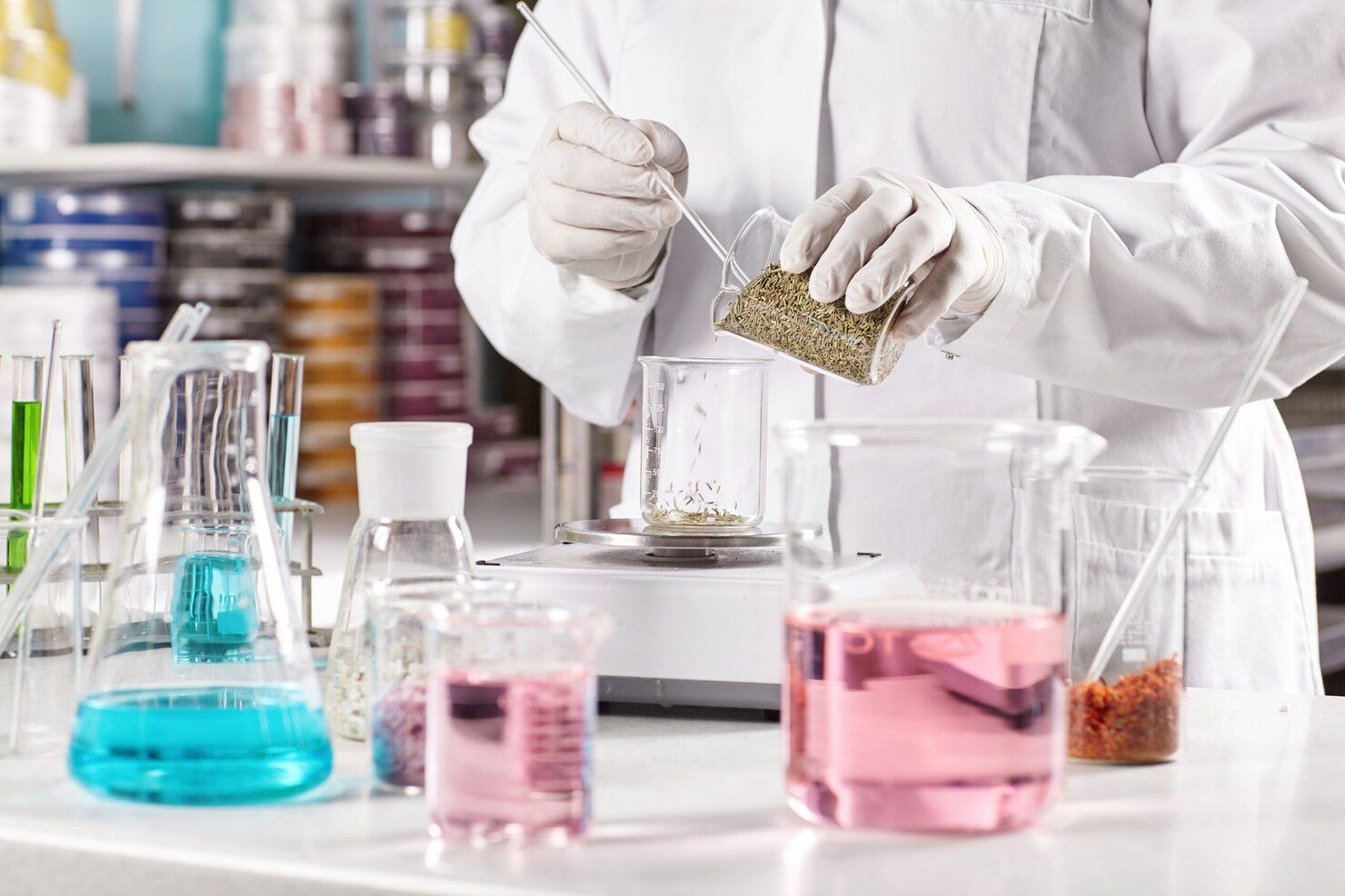
Industrial chemicals are substances produced in large quantities for use in manufacturing, agriculture, construction, energy production, pharmaceuticals, and many other sectors. These chemicals form the backbone of modern industrial systems and support countless everyday products.
Industrial chemical production exists to transform raw materials such as minerals, petroleum, natural gas, and biomass into useful compounds. These compounds are later used to create plastics, fertilizers, medicines, paints, detergents, electronic components, and construction materials.
Many industrial chemicals fall into broad categories such as:
- Basic chemicals (acids, alkalis, solvents)
- Petrochemicals
- Specialty chemicals
- Agrochemicals
- Performance chemicals
Each category serves a different role in industrial production chains.
For example, sulfuric acid, ammonia, ethylene, and methanol are among the most widely produced industrial chemicals globally because they are key building blocks for other materials.
Industrial chemical manufacturing relies on controlled reactions, purification systems, and strict safety procedures. Facilities typically include reactors, distillation columns, heat exchangers, and storage units to ensure stable and efficient production.
Why Industrial Chemicals Matter in Modern Industries
Industrial chemicals play a critical role in supporting global infrastructure and economic development. Nearly every manufacturing sector depends on chemical inputs to produce goods efficiently and at scale.
Some key industries that rely heavily on industrial chemicals include:
- Pharmaceutical manufacturing
- Agriculture and fertilizer production
- Automotive manufacturing
- Electronics and semiconductor production
- Construction materials
- Renewable energy systems
These chemicals help solve multiple global challenges.
Food production: Fertilizers and crop protection compounds improve agricultural productivity.
Healthcare: Pharmaceutical ingredients support the development of medicines and vaccines.
Energy production: Chemicals assist in refining fuels, producing batteries, and supporting renewable technologies.
Water treatment: Chemical treatment processes remove contaminants from drinking water and wastewater.
Industrial chemicals also contribute to innovation in advanced materials such as carbon fiber, biodegradable plastics, and high-performance coatings.
However, because many chemicals can be hazardous if handled improperly, strict safety standards and environmental controls are essential in chemical production and storage.
Industrial Chemical Production Trends and Updates (2024–2025)
The industrial chemical sector continues to evolve due to environmental concerns, technological advancements, and global supply chain adjustments.
Several important developments have emerged in the past year.
1. Expansion of Green Chemistry
In 2024, many chemical manufacturers increased investment in green chemistry technologies. These approaches aim to reduce waste, lower energy consumption, and replace hazardous substances with safer alternatives.
Bio-based chemicals derived from renewable sources such as corn, algae, and plant oils are gaining attention.
2. Carbon Reduction Initiatives
In 2025, several industrial regions introduced strategies to reduce carbon emissions from chemical plants. Technologies such as carbon capture, electrified reactors, and hydrogen-based production are being explored.
3. Automation and Smart Manufacturing
Digital technologies are becoming more common in chemical plants. Sensors, data analytics, and automated monitoring systems help improve efficiency and reduce operational risks.
Smart manufacturing tools now allow operators to monitor temperature, pressure, and reaction conditions in real time.
4. Supply Chain Resilience
Recent global disruptions highlighted the importance of stable chemical supply chains. Many companies have diversified raw material sources and increased regional production capacity.
These trends indicate that industrial chemical production is moving toward sustainability, efficiency, and technological integration.
Regulations and Safety Policies in the Chemical Industry
Because industrial chemicals can affect human health and the environment, governments around the world enforce strict regulatory frameworks.
These policies guide production, transportation, storage, and disposal.
Below is a simplified comparison of major regulatory frameworks.
| Region | Key Chemical Regulation | Purpose |
|---|---|---|
| European Union | REACH Regulation | Chemical registration and safety evaluation |
| United States | Toxic Substances Control Act (TSCA) | Chemical risk management |
| India | Chemical Safety Rules under Environment Protection Act | Safe handling and reporting |
| Global | Globally Harmonized System (GHS) | Hazard classification and labeling |
In India, industrial chemical facilities must comply with multiple safety and environmental standards. These regulations help ensure:
- Worker protection
- Environmental monitoring
- Emergency preparedness
- Hazard labeling and documentation
Manufacturers must also maintain Material Safety Data Sheets (MSDS), which provide detailed information about chemical hazards and safe handling procedures.
Environmental policies also encourage industries to reduce waste generation and adopt safer production technologies.
Tools and Resources Used in Industrial Chemical Analysis
Various tools and digital resources help researchers, engineers, and safety professionals understand industrial chemicals and manage chemical data effectively.
Some widely used resources include:
Chemical Databases
- PubChem
- ChemSpider
- European Chemicals Agency database
These platforms provide chemical structures, properties, toxicity data, and regulatory information.
Process Simulation Software
Chemical engineers often use modeling software to simulate chemical reactions and plant operations.
Examples include:
- Aspen Plus
- MATLAB chemical modeling tools
- COMSOL Multiphysics
These programs help predict reaction outcomes and optimize production efficiency.
Safety Documentation Tools
Facilities maintain safety records using digital platforms that track:
- Chemical inventory
- Hazard classification
- Emergency procedures
- Storage conditions
Environmental Monitoring Systems
Sensors and monitoring systems measure emissions, air quality, and wastewater composition to ensure regulatory compliance.
Example of Common Industrial Chemicals and Applications
| Chemical | Primary Use | Industry |
|---|---|---|
| Ammonia | Fertilizer production | Agriculture |
| Sulfuric Acid | Chemical synthesis | Manufacturing |
| Ethylene | Plastic production | Petrochemicals |
| Methanol | Fuel additives and solvents | Energy |
| Chlorine | Water purification | Public utilities |
These chemicals serve as building blocks for thousands of downstream products.
Industrial Chemical Production Flow (Simplified)
Raw Material Extraction
↓
Chemical Reaction Processing
↓
Separation and Purification
↓
Quality Testing
↓
Distribution to Manufacturing Industries
This simplified process illustrates how raw materials become industrial chemical products used worldwide.
Frequently Asked Questions About Industrial Chemicals
What is an industrial chemical?
An industrial chemical is a substance manufactured in large quantities for use in manufacturing processes or product development across industries such as agriculture, pharmaceuticals, and construction.
Why are industrial chemicals produced at large scale?
Large-scale production allows industries to meet the global demand for materials like plastics, fertilizers, fuels, and pharmaceuticals.
Are industrial chemicals harmful?
Some chemicals can be hazardous if handled improperly. Safety regulations, protective equipment, and monitoring systems help reduce risks.
How are industrial chemicals regulated?
Governments establish regulatory frameworks that require chemical registration, hazard labeling, safety testing, and environmental monitoring.
What industries rely most on industrial chemicals?
Industries such as agriculture, pharmaceuticals, construction, electronics, and energy production depend heavily on chemical materials.
Conclusion
Industrial chemicals are essential components of modern industrial systems. They support manufacturing processes, technological innovation, agricultural productivity, and healthcare advancements.
From basic compounds like ammonia and sulfuric acid to specialized performance chemicals used in electronics and pharmaceuticals, industrial chemicals enable the production of countless materials used in everyday life.
Recent trends in sustainability, digital monitoring, and green chemistry are reshaping how chemical facilities operate. These developments aim to reduce environmental impact while maintaining industrial productivity.
Government regulations, safety protocols, and international chemical standards play an important role in ensuring that these substances are handled responsibly.
As industries continue to innovate and global demand evolves, industrial chemical knowledge will remain an important resource for researchers, engineers, and policymakers seeking safer and more efficient production systems.