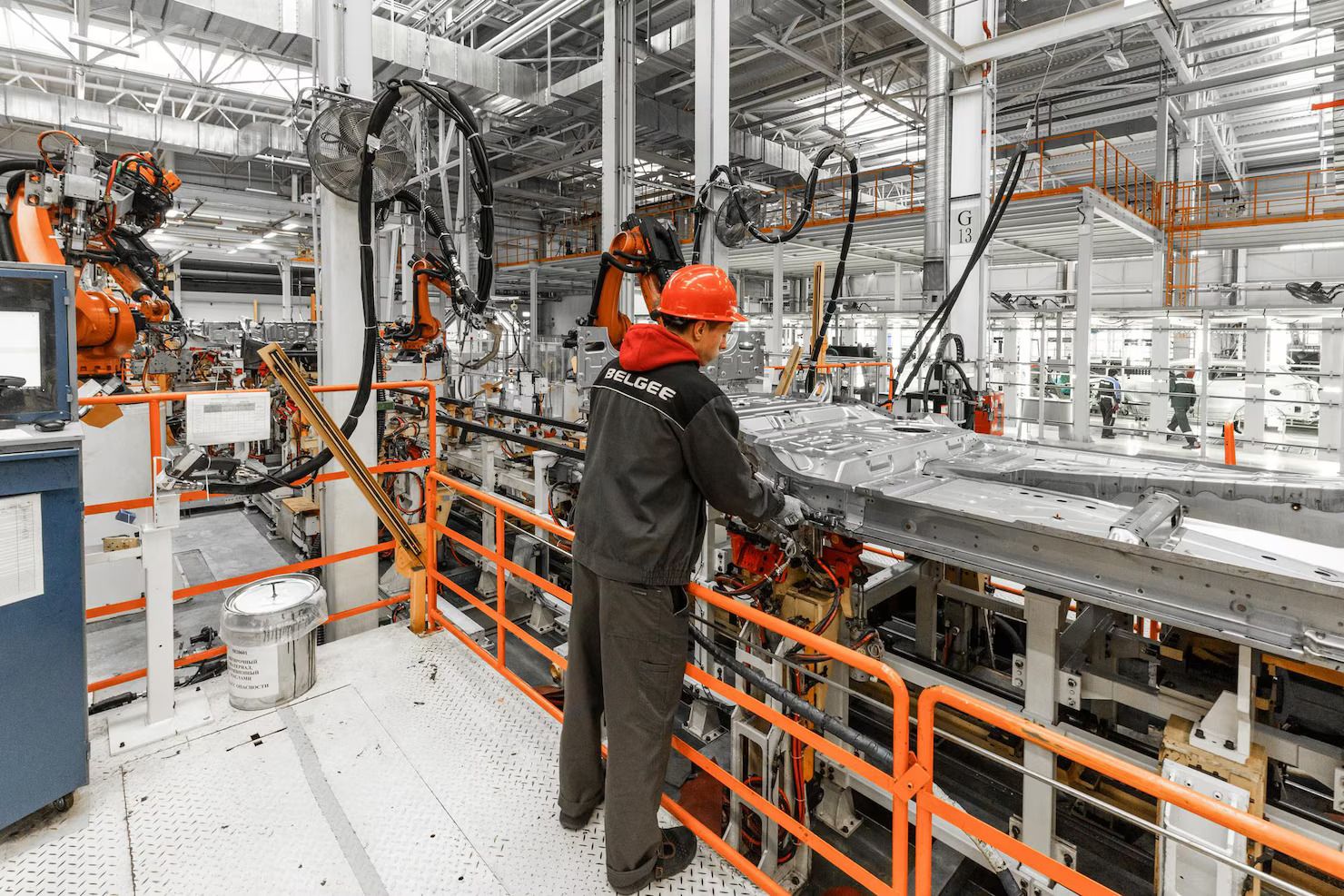
Industrial component manufacturing refers to the process of producing individual parts used in machinery, vehicles, electronics, infrastructure equipment, and many other industrial systems. These components may include gears, valves, bearings, housings, shafts, connectors, and structural parts that allow machines and systems to function efficiently.
Modern manufacturing facilities combine engineering design, precision machines, advanced materials, and quality control methods to produce components that meet strict performance standards. These parts are used in industries such as automotive, aerospace, electronics, energy, construction, and heavy machinery.
Industrial component production typically involves several stages including design, material selection, machining, finishing, inspection, and assembly preparation. Each stage focuses on accuracy, durability, and consistency.
Common Manufacturing Methods
| Manufacturing Method | Description | Typical Applications |
|---|---|---|
| CNC Machining | Computer-controlled cutting and shaping | Precision metal parts |
| Injection Molding | Molten material shaped inside molds | Plastic components |
| Casting | Molten metal poured into molds | Engine blocks, valves |
| Stamping | Press shaping metal sheets | Automotive panels |
| Additive Manufacturing | Layer-by-layer fabrication | Prototypes and complex parts |
These processes help manufacturers produce large quantities of identical parts while maintaining quality and efficiency.
Importance
Industrial components form the foundation of modern infrastructure and manufacturing systems. Without precisely manufactured components, complex machines such as turbines, vehicles, robotics, and industrial equipment could not function properly.
Reliable component manufacturing helps ensure safety, efficiency, and durability in industrial operations. Many industries rely on consistent production of components to maintain supply chains and keep equipment operating without interruption.
Industries That Depend on Industrial Components
| Industry | Example Components | Purpose |
|---|---|---|
| Automotive | Pistons, gears, brake parts | Vehicle performance |
| Aerospace | Turbine blades, fasteners | Aircraft safety |
| Energy | Valves, pump housings | Power generation systems |
| Electronics | Connectors, casings | Device functionality |
| Construction | Structural fittings | Infrastructure stability |
Industrial component manufacturing also supports technological innovation. As machines become more advanced, the demand for precision components with tight tolerances continues to grow.
Another important aspect is global supply chains. Many manufacturing companies collaborate internationally, sourcing materials and producing components across different regions.
Recent Updates
Over the past year, industrial component manufacturing has seen several technological and operational changes driven by automation, sustainability, and digital transformation.
1. Increased Automation in Production
In 2024–2025, many factories expanded the use of robotics and automated systems to improve productivity and reduce production errors. Collaborative robots, often called cobots, assist workers in assembly and precision tasks.
2. Expansion of Smart Manufacturing
Smart manufacturing integrates sensors, data analytics, and connected machines to monitor production processes in real time. This allows manufacturers to identify equipment issues quickly and optimize performance.
3. Growth of Additive Manufacturing
Additive manufacturing technologies such as industrial 3D printing continue to grow in adoption. In 2025, several aerospace and medical manufacturers increased their use of additive processes to produce complex geometries that traditional machining cannot easily create.
4. Focus on Sustainable Production
Manufacturers are increasingly adopting energy-efficient equipment, recyclable materials, and waste reduction practices. Environmental considerations have become an important part of production planning.
5. Supply Chain Diversification
Following supply disruptions in previous years, many companies in 2024 and 2025 began diversifying their supplier networks to improve resilience and reduce dependency on single regions.
These developments demonstrate how the manufacturing sector continues to evolve with technological advancements and changing economic conditions.
Laws or Policies
Industrial component manufacturing is often regulated by national and international standards to ensure safety, quality, and environmental compliance.
Quality and Production Standards
Many manufacturing organizations follow globally recognized standards such as:
| Standard | Organization | Purpose |
|---|---|---|
| ISO 9001 | International Organization for Standardization | Quality management |
| ISO 14001 | International Organization for Standardization | Environmental management |
| AS9100 | Aerospace industry standard | Aviation manufacturing quality |
These standards guide companies in maintaining consistent production methods and documentation.
Safety and Labor Regulations
Government agencies often regulate factory environments to protect workers. Regulations may include requirements for machine safety systems, protective equipment, and workplace hazard management.
Environmental Regulations
Manufacturers must also follow environmental regulations related to emissions, waste disposal, and energy usage. Many countries have introduced policies encouraging cleaner manufacturing technologies and responsible material usage.
Government Industrial Programs
Several countries have introduced industrial modernization programs supporting digital manufacturing, advanced robotics, and workforce training. Examples include manufacturing innovation initiatives that encourage research and development in advanced production technologies.
These policies help maintain product safety while encouraging modernization and sustainable industrial practices.
Tools and Resources
Industrial component manufacturing relies on various digital tools, software systems, and engineering resources that help improve design accuracy and production efficiency.
Engineering and Design Software
| Tool Type | Purpose |
|---|---|
| CAD Software | Create detailed component designs |
| CAM Software | Convert designs into machine instructions |
| Simulation Tools | Test performance before manufacturing |
| Quality Control Software | Analyze production measurements |
Computer-aided design and manufacturing systems allow engineers to design components digitally and simulate how they will perform under real-world conditions.
Manufacturing Equipment
Some widely used equipment includes:
- CNC milling machines
- CNC turning centers
- Laser cutting machines
- Injection molding systems
- Industrial robots
- Coordinate measuring machines (CMM)
Online Engineering Resources
Engineers and manufacturers often use digital platforms for reference data, material specifications, and technical documentation. These resources support research, design optimization, and process planning.
Training and Learning Platforms
Educational platforms provide courses on topics such as manufacturing engineering, materials science, and industrial automation. Continuous learning helps professionals adapt to new technologies and industry developments.
FAQs
What is industrial component manufacturing?
Industrial component manufacturing refers to the production of individual parts used in machinery, equipment, and industrial systems. These components are produced using processes such as machining, casting, molding, and stamping.
What materials are commonly used in industrial components?
Common materials include steel, aluminum, copper alloys, plastics, and advanced composites. The choice of material depends on factors such as strength, durability, heat resistance, and application requirements.
What is the role of CNC machines in manufacturing?
CNC machines use computer-controlled instructions to cut and shape materials with high precision. They are widely used to produce complex parts with consistent dimensions and minimal variation.
How does quality control work in manufacturing?
Quality control involves inspecting components during and after production using measurement tools and testing procedures. This ensures parts meet specified tolerances and performance standards.
How is technology changing manufacturing today?
Technologies such as automation, artificial intelligence, additive manufacturing, and digital monitoring systems are transforming production environments. These tools help improve efficiency, accuracy, and resource management.
Conclusion
Industrial component manufacturing plays a crucial role in supporting modern industry. From transportation systems and energy infrastructure to consumer electronics and construction equipment, nearly every technology depends on precisely manufactured parts.
Advances in automation, smart manufacturing systems, and digital engineering tools continue to improve production efficiency and product quality. At the same time, sustainability initiatives and regulatory standards guide manufacturers toward responsible and reliable production practices.
As industries evolve, the importance of precision components and advanced manufacturing technologies will continue to grow. Understanding how industrial components are designed, produced, and regulated provides valuable insight into the systems that power modern industrial development.