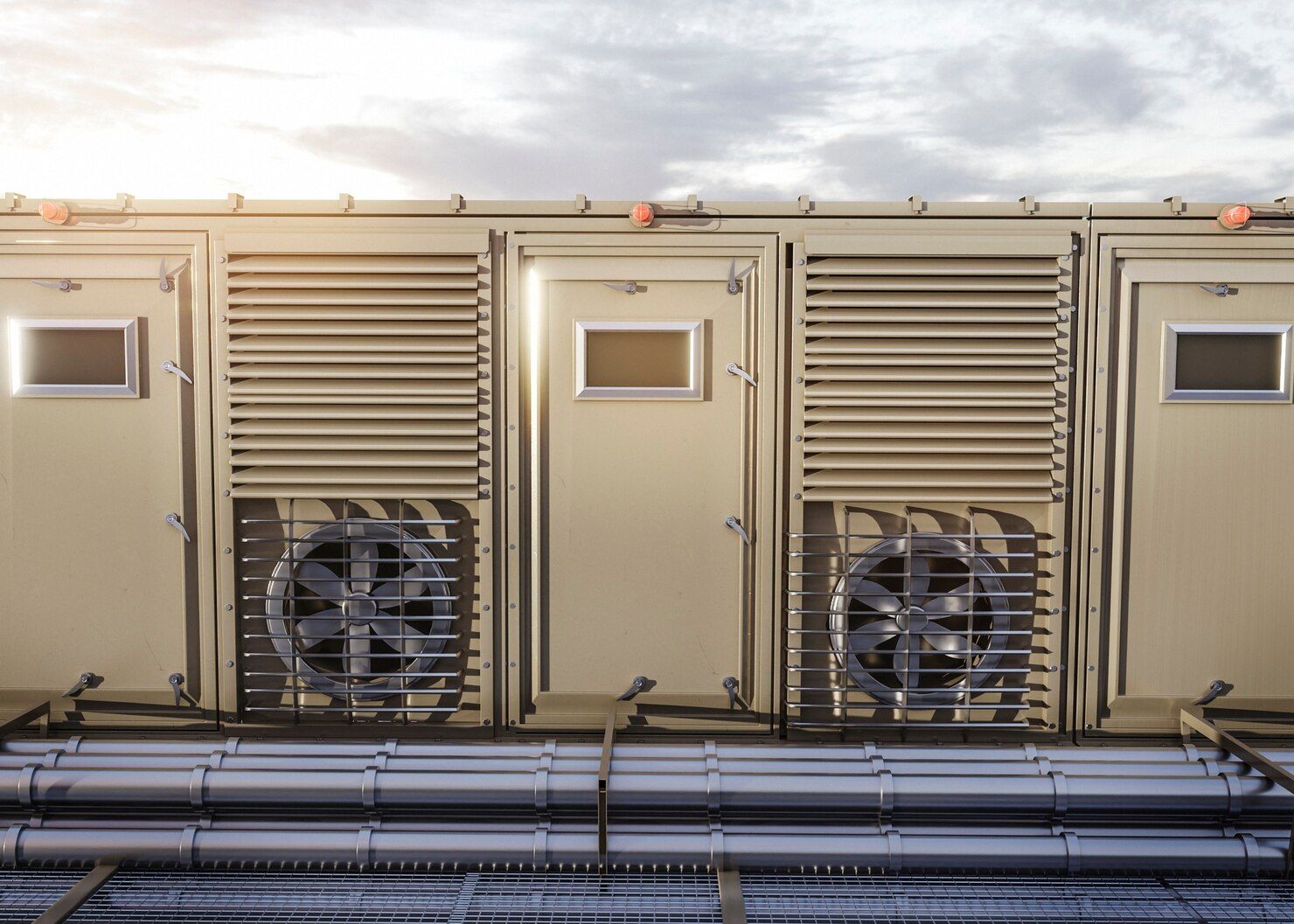
Industrial cooling equipment refers to specialized systems designed to regulate temperature in industrial environments. These systems remove excess heat generated by machinery, manufacturing processes, power systems, and data infrastructure.
Industries generate significant heat through mechanical operations, electrical systems, chemical reactions, and manufacturing processes. Without effective cooling, equipment performance may decline, operational safety risks may increase, and energy consumption can rise.
Industrial cooling equipment helps maintain stable operating temperatures, ensuring consistent production conditions and protecting critical equipment.
Common industrial cooling systems include:
| Cooling Equipment Type | Primary Function | Typical Applications |
|---|---|---|
| Cooling Towers | Dissipate heat through water evaporation | Power plants, manufacturing facilities |
| Industrial Chillers | Circulate cooled liquid to remove heat | Plastic processing, HVAC systems |
| Heat Exchangers | Transfer heat between fluids | Chemical plants, refineries |
| Air Cooling Systems | Remove heat using airflow | Electronics and machinery |
These technologies are used in many industries, including manufacturing, energy production, pharmaceuticals, food processing, and data centers.
Why Temperature Control Exists in Industrial Systems
Industrial processes often produce heat as a byproduct of energy conversion. Machines operating continuously can accumulate heat quickly, potentially affecting efficiency and component lifespan.
Cooling systems exist to:
- Maintain equipment stability
- Improve energy efficiency
- Reduce thermal stress
- Support continuous industrial operations
Temperature control is therefore an essential component of modern industrial infrastructure.
Why Industrial Cooling Equipment Matters Today
Increasing Industrial Automation
As manufacturing systems become more automated and digitally integrated, equipment density within production facilities has increased. Robotics, high-speed machinery, and electronics generate more concentrated heat.
Cooling equipment helps maintain stable operating conditions for these advanced systems.
Energy Efficiency and Sustainability
Energy consumption is a major concern for industrial facilities. Cooling systems play a role in energy management by improving heat recovery and reducing thermal losses.
Modern cooling technologies are increasingly designed to:
- Improve energy efficiency
- Reduce water consumption
- Minimize environmental impact
Supporting Data and Technology Infrastructure
Industrial cooling equipment is also essential for digital infrastructure. Data centers, semiconductor manufacturing facilities, and electronics assembly plants require precise temperature management.
Without proper cooling systems, sensitive equipment may experience overheating or performance degradation.
Industrial Processes That Depend on Cooling
| Industry Sector | Cooling Requirement |
|---|---|
| Chemical Manufacturing | Reaction temperature stabilization |
| Power Generation | Turbine and condenser cooling |
| Food Processing | Temperature-controlled production |
| Pharmaceuticals | Controlled laboratory environments |
| Electronics Manufacturing | Heat removal from circuit production |
These applications demonstrate how cooling equipment supports both productivity and safety in modern industry.
Recent Developments and Trends (2024–2025)
Industrial cooling technologies continue to evolve as industries prioritize energy efficiency and sustainability.
Smart Cooling Systems
In 2024, many industrial facilities began adopting smart cooling systems integrated with IoT sensors and automation software. These systems monitor temperature conditions in real time and automatically adjust cooling performance.
Key benefits include:
- Improved operational efficiency
- Reduced energy waste
- Predictive maintenance capabilities
Smart monitoring platforms can analyze temperature data continuously to detect equipment anomalies before failures occur.
Sustainable Cooling Technologies
Environmental considerations are also shaping cooling system design. Many industrial facilities are exploring alternatives to traditional refrigerants and water-intensive cooling methods.
Recent developments include:
| Technology | Key Benefit |
|---|---|
| Closed-Loop Cooling Systems | Reduces water consumption |
| Hybrid Cooling Towers | Combines air and water cooling |
| Magnetic Bearing Chillers | Lower mechanical friction and energy use |
| Heat Recovery Systems | Reuses industrial waste heat |
Data Center Cooling Expansion
Global growth in artificial intelligence and cloud computing infrastructure has increased demand for advanced cooling systems. Data centers require highly controlled thermal environments to maintain computing performance.
In 2025, liquid cooling technologies have gained attention because they provide higher thermal efficiency compared with traditional air cooling.
Industrial Digital Monitoring
Advanced cooling systems now integrate digital dashboards that track:
- Cooling performance
- Temperature variation
- Equipment efficiency
- Energy consumption patterns
These systems help facility operators optimize cooling operations and identify opportunities for improvement.
Laws, Standards, and Policies Affecting Cooling Systems
Industrial cooling equipment must comply with environmental and safety regulations that govern energy efficiency, refrigerants, and water use.
Environmental Standards
Many countries regulate refrigerants used in cooling systems due to their environmental impact.
Examples include:
| Regulation | Purpose |
|---|---|
| Energy Efficiency Standards | Encourage efficient cooling technologies |
| Refrigerant Regulations | Limit high-global-warming refrigerants |
| Industrial Water Management Rules | Control water consumption in cooling towers |
These policies encourage industries to transition toward environmentally responsible cooling technologies.
Industrial Safety Guidelines
Cooling systems must also meet safety standards to prevent mechanical failure or hazardous conditions. Proper maintenance and monitoring are typically required to ensure compliance.
Safety considerations include:
- Pressure control in cooling equipment
- Safe handling of refrigerants
- Thermal monitoring systems
Energy Management Programs
Some governments encourage industries to adopt efficient cooling systems through national energy-efficiency initiatives. These programs often support:
- energy-efficient industrial equipment
- sustainable manufacturing practices
- advanced thermal management technologies
Such programs aim to reduce industrial energy consumption and environmental impact.
Tools and Resources for Understanding Industrial Cooling Systems
Several digital tools and professional resources help engineers, facility managers, and researchers understand cooling system performance.
Engineering Calculation Tools
Industrial engineers frequently use specialized calculators to evaluate cooling requirements.
| Tool Type | Purpose |
|---|---|
| Cooling Load Calculators | Estimate heat removal requirements |
| Heat Transfer Calculators | Evaluate thermal exchange efficiency |
| Energy Efficiency Calculators | Compare system performance |
These tools assist in determining the appropriate cooling capacity for industrial environments.
Software Platforms
Digital simulation software allows engineers to model cooling systems before installation.
Examples of commonly used platforms include:
| Software Platform | Function |
|---|---|
| MATLAB | Thermal modeling and engineering analysis |
| ANSYS | Heat transfer simulation |
| EnergyPlus | Energy modeling for cooling systems |
Simulation tools help engineers design optimized cooling systems that improve efficiency and reliability.
Educational Resources
Professionals often rely on engineering organizations and technical publications to stay updated on cooling technologies.
Important resources include:
- engineering journals
- technical research papers
- industrial engineering conferences
- manufacturer technical documentation
These resources provide insights into emerging technologies and best practices.
Frequently Asked Questions
What industries use industrial cooling equipment?
Industrial cooling equipment is widely used in manufacturing, power generation, chemical processing, food production, electronics manufacturing, and data centers. These systems help maintain safe and efficient operating temperatures.
How do industrial chillers work?
Industrial chillers remove heat from equipment or process fluids using refrigeration cycles. The chilled liquid circulates through machinery or systems to absorb heat and maintain stable operating temperatures.
What is the difference between cooling towers and chillers?
Cooling towers dissipate heat through water evaporation and airflow, while chillers use refrigeration systems to produce chilled liquid. Cooling towers are often used for large-scale heat rejection, whereas chillers provide precise temperature control.
Why is industrial cooling important for energy efficiency?
Efficient cooling systems reduce excess heat buildup in machinery, allowing equipment to operate at optimal efficiency. Proper thermal management can also reduce energy consumption in industrial facilities.
Are modern cooling systems environmentally friendly?
Many newer systems are designed with sustainability in mind. Technologies such as closed-loop cooling, energy-efficient chillers, and low-impact refrigerants aim to reduce environmental impact while maintaining effective cooling performance.
Conclusion
Industrial cooling equipment plays a critical role in maintaining stable operating conditions across many industries. From manufacturing facilities and power plants to data centers and chemical processing units, cooling systems ensure that equipment operates safely and efficiently.
As industrial technology evolves, cooling solutions are becoming more advanced and environmentally responsible. Smart monitoring systems, energy-efficient designs, and sustainable cooling technologies are shaping the future of thermal management.
Understanding the principles behind industrial cooling equipment helps industries improve operational performance, reduce energy consumption, and support long-term infrastructure reliability. Continuous innovation in cooling technologies will likely remain an important part of modern industrial development.