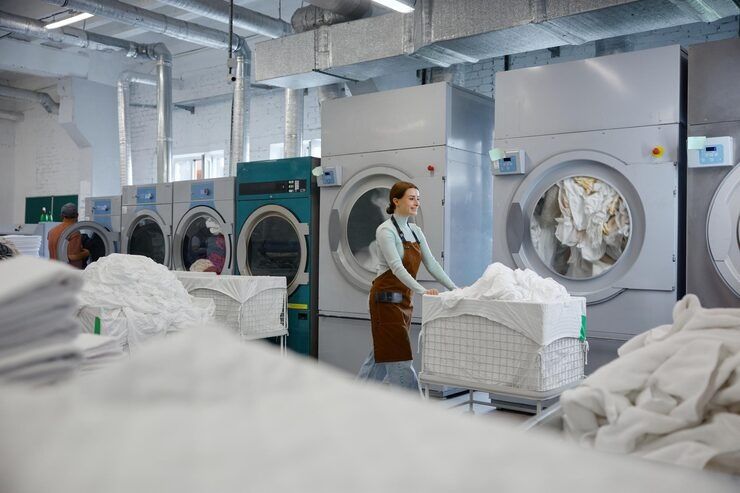
Industrial dryer machines are specialized equipment used to remove moisture from raw materials, semi-finished goods, or finished products through controlled heating, airflow, or pressure systems. These machines play a critical role in industries such as food processing, pharmaceuticals, chemicals, textiles, mining, agriculture, paper, and manufacturing.
Industrial dryers exist to improve product stability, extend shelf life, enhance material strength, and ensure consistent quality. As industrial production scales up and quality standards become stricter, drying technology has become an essential part of modern manufacturing processes.
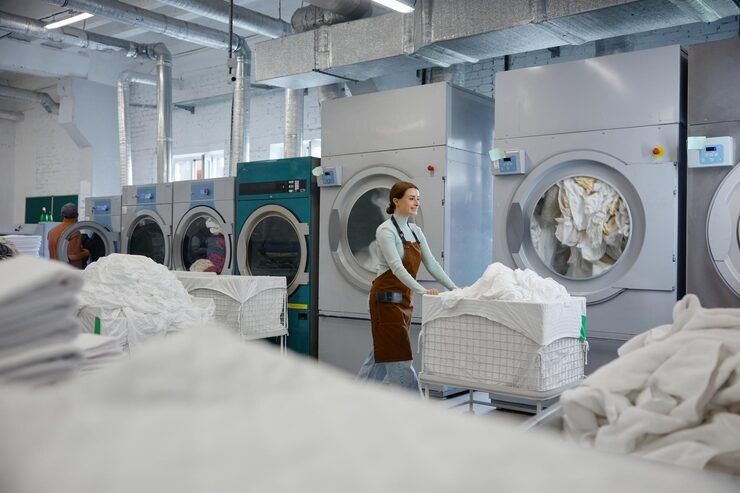
Context: What Industrial Dryer Machines Are and Why They Exist
In early industrial operations, drying was performed using natural air or sun exposure, which was slow, inconsistent, and weather-dependent. As production volumes increased and precision became necessary, mechanical drying systems were developed to control temperature, airflow, and moisture removal.
Industrial dryer machines exist to:
-
Remove moisture efficiently and uniformly
-
Improve product durability and performance
-
Enable continuous industrial production
-
Reduce processing time
-
Meet quality and safety standards
Modern industrial dryers integrate automation, energy recovery systems, and advanced controls to support large-scale manufacturing.
Importance: Why Industrial Dryer Machines Matter Today
Industrial dryers are vital to ensuring product quality, safety, and operational efficiency.
Key Reasons Industrial Dryer Machines Are Important
1. Product Quality Control
Prevents spoilage, corrosion, and material degradation.
2. Process Efficiency
Speeds up manufacturing cycles.
3. Shelf Life Extension
Essential for food, pharmaceutical, and chemical products.
4. Material Performance Enhancement
Improves strength, texture, and usability.
5. Compliance with Industry Standards
Supports hygiene and safety regulations.
This topic is relevant to plant managers, process engineers, production supervisors, equipment buyers, and industrial consultants.
Recent Updates: Industrial Dryer Technology Trends (2024–2025)
Industrial drying systems continue to advance with energy efficiency and automation.
1. Energy-Efficient Dryers
Heat recovery and low-energy consumption designs.
2. Smart Drying Systems
Sensors and PLC-based control for moisture monitoring.
3. Continuous Drying Lines
Improved throughput and consistency.
4. Low-Emission Drying Technology
Reduced environmental impact.
5. Hybrid Dryers
Combination of thermal and mechanical drying.
6. Industry 4.0 Integration
Remote monitoring and predictive maintenance.
Laws & Policies Affecting Industrial Dryer Machines
Industrial dryers are regulated by safety, environmental, and energy-efficiency standards.
Key considerations include:
-
Industrial safety and machinery regulations
-
Fire and explosion prevention standards
-
Environmental emission and pollution control laws
-
Energy efficiency and sustainability guidelines
-
Occupational health and safety requirements
Compliance ensures safe operation and regulatory approval.
Types of Industrial Dryer Machines
Industrial dryers are classified based on drying method, material type, and process design.
Rotary Dryers
Use rotating drums for bulk materials.
Tray Dryers
Use stacked trays for batch drying.
Fluid Bed Dryers
Use hot air to suspend and dry particles.
Spray Dryers
Convert liquid materials into powder form.
Belt Dryers
Use conveyor belts for continuous drying.
Vacuum Dryers
Dry heat-sensitive materials at low pressure.
Flash Dryers
Rapid drying using hot gas streams.
Drum Dryers
Dry slurries and pastes on heated surfaces.
How Industrial Dryer Machines Work
Industrial dryers operate by transferring heat and removing moisture in a controlled environment.
-
Material is fed into the drying chamber
-
Heat is applied using hot air, steam, or electricity
-
Moisture evaporates from the material surface
-
Airflow carries moisture away
-
Sensors monitor temperature and humidity
-
Dried material exits the system
-
Exhaust air is filtered or recycled
Process control ensures uniform drying and prevents overheating.
Core Components of Industrial Dryer Machines
Industrial dryers consist of multiple integrated components.
Heating System
Provides thermal energy.
Airflow System
Controls air circulation.
Drying Chamber
Holds and processes material.
Material Feeding Mechanism
Ensures consistent input.
Moisture and Temperature Sensors
Monitor drying conditions.
Control Panel
Manages system parameters.
Exhaust and Filtration System
Removes moisture-laden air safely.
Materials Used in Industrial Dryer Construction
Material selection affects durability and hygiene.
Stainless Steel
Used in food and pharmaceutical dryers.
Carbon Steel
Used for heavy industrial applications.
Aluminum
Used in lightweight designs.
Insulation Materials
Reduce heat loss.
Protective Coatings
Prevent corrosion and wear.
Industrial Dryer Types and Applications
| Dryer Type | Drying Method | Common Application |
|---|---|---|
| Rotary Dryer | Hot air rotation | Minerals, fertilizers |
| Tray Dryer | Batch hot air | Pharmaceuticals |
| Fluid Bed Dryer | Air suspension | Granules, powders |
| Spray Dryer | Liquid atomization | Milk powder |
| Belt Dryer | Continuous airflow | Food processing |
Industrial Applications of Dryer Machines
Industrial dryers are used across multiple sectors.
Food Processing Industry
Grains, fruits, vegetables, spices, dairy.
Pharmaceutical Industry
Granules, tablets, active ingredients.
Chemical Industry
Polymers, resins, catalysts.
Textile Industry
Fibers, yarns, fabrics.
Mining and Minerals
Ores, concentrates, coal.
Agriculture
Seeds, animal feed, fertilizers.
Paper and Pulp Industry
Pulp drying and paper finishing.
Benefits of Modern Industrial Dryer Machines
High Drying Efficiency
Consistent moisture removal.
Energy Optimization
Reduced operational costs.
Process Automation
Minimal manual intervention.
Scalability
Suitable for small to large operations.
Improved Product Consistency
Uniform texture and quality.
Challenges & Considerations
Industrial dryers require careful planning and operation.
-
High energy consumption
-
Capital investment costs
-
Space requirements
-
Material sensitivity to heat
-
Maintenance and downtime
Choosing the right dryer minimizes these challenges.
How to Choose the Right Industrial Dryer
Analyze Material Properties
Moisture content and heat sensitivity.
Determine Production Capacity
Batch or continuous operation.
Evaluate Energy Efficiency
Operating cost considerations.
Check Process Control Features
Temperature and moisture accuracy.
Ensure Regulatory Compliance
Food, pharma, or environmental standards.
Assess After-Sales Support
Maintenance and spare parts availability.
Maintenance & Best Practices
-
Regular cleaning and inspection
-
Calibration of sensors
-
Lubrication of moving parts
-
Monitoring energy usage
-
Checking airflow and filters
-
Scheduled preventive maintenance
Proper maintenance ensures long service life.
Frequently Asked Questions
1. What is the purpose of an industrial dryer?
To remove moisture from materials efficiently.
2. Are industrial dryers energy-intensive?
Modern designs focus on energy efficiency.
3. Can one dryer handle multiple materials?
Some dryers can, with proper adjustments.
4. Are industrial dryers automated?
Most modern systems support automation.
5. How long do industrial dryers last?
Typically 15–25 years with proper care.
Conclusion
Industrial dryer machines are essential components of modern manufacturing and processing industries, enabling efficient moisture removal, product stability, and consistent quality. From food and pharmaceuticals to chemicals and minerals, industrial dryers support a wide range of production needs.
Understanding dryer types, working principles, applications, regulations, and maintenance practices helps industries select suitable drying solutions and optimize performance. As energy efficiency and automation continue to advance, industrial dryer machines will remain vital to sustainable and high-quality industrial production.