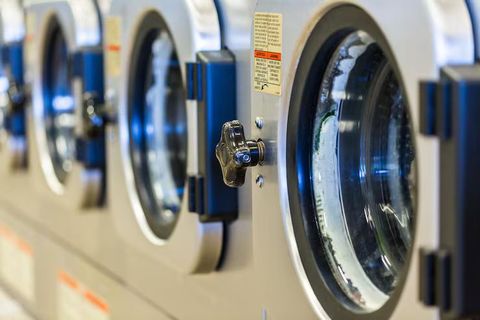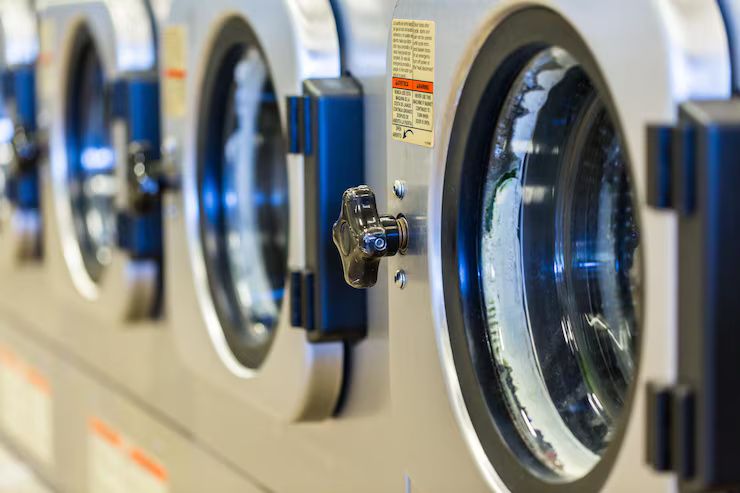
Industrial dryers are specialized machines designed to remove moisture from materials in manufacturing and processing environments. They are widely used across industries such as food processing, pharmaceuticals, chemicals, textiles, and construction materials. By applying controlled heat, airflow, or vacuum conditions, these systems ensure products achieve the desired moisture levels for storage, quality, and performance.
In recent years, the importance of industrial drying systems has increased due to rising demand for energy efficiency, sustainability, and consistent product quality. Industries are under pressure to reduce waste, improve throughput, and comply with stricter environmental standards. As a result, advanced drying technologies—such as heat pump dryers, vacuum dryers, and fluidized bed dryers—have gained attention.
The comparison of different dryer types matters today because businesses must balance operational cost, energy use, and product quality. Choosing the wrong drying method can lead to inefficiencies, higher emissions, or product degradation. With automation and digital monitoring becoming more common, industrial dryers are evolving into smarter, data-driven systems that support modern manufacturing goals.
Who It Affects and What Problems It Solves
Industrial dryers impact a wide range of stakeholders, including manufacturers, engineers, plant operators, and quality control teams. Industries dealing with moisture-sensitive products—such as food grains, chemicals, or pharmaceuticals—depend heavily on reliable drying systems to maintain product integrity and safety.
For example, in the food industry, improper drying can lead to microbial growth, reduced shelf life, and product spoilage. In pharmaceuticals, inconsistent moisture levels can affect drug stability and effectiveness. Similarly, in construction materials like cement or ceramics, excess moisture can weaken structural quality.
Industrial dryers solve several key problems:
- Moisture Control: Ensures products meet required dryness levels for storage and use
- Product Quality: Maintains consistency in texture, weight, and composition
- Operational Efficiency: Reduces drying time and increases production capacity
- Waste Reduction: Minimizes product loss due to spoilage or defects
- Energy Optimization: Modern systems improve heat recovery and reduce energy consumption
By addressing these challenges, industrial dryers play a critical role in improving productivity and maintaining compliance with industry standards.
Recent Updates and Industry Trends
The past year has seen notable developments in industrial drying technologies, driven by sustainability goals and digital transformation.
One major trend is the adoption of energy-efficient drying systems. Heat pump dryers and hybrid systems are gaining popularity due to their ability to recycle heat and reduce energy consumption compared to conventional dryers.
Another important shift is the integration of automation and IoT-based monitoring. Sensors and control systems now allow real-time tracking of temperature, humidity, and airflow, enabling precise adjustments and reducing human error.
Sustainability has also influenced innovation. Many manufacturers are focusing on reducing carbon emissions by switching to cleaner energy sources and improving thermal efficiency. This aligns with global environmental goals and stricter regulations.
Additionally, industries are increasingly using modular and compact dryer designs, which offer flexibility for small and medium enterprises. These systems are easier to install, maintain, and scale according to production needs.
Comparison of Common Industrial Dryer Types
| Dryer Type | Working Principle | Key Features | Common Applications | Advantages | Limitations |
|---|---|---|---|---|---|
| Rotary Dryer | Rotating drum with hot air | Continuous operation, high capacity | Minerals, cement, chemicals | Robust, handles large volumes | High energy consumption |
| Fluidized Bed Dryer | Airflow suspends particles | Uniform drying, fast process | Pharmaceuticals, food grains | Efficient heat transfer | Not suitable for sticky materials |
| Spray Dryer | Liquid converted into powder via hot air | Rapid drying, fine particle output | Dairy, chemicals, food powders | Produces uniform powders | High operational cost |
| Tray Dryer | Static trays with heated air circulation | Simple design, batch process | Food, herbs, chemicals | Low cost, easy operation | Slower and less efficient |
| Vacuum Dryer | Low pressure reduces boiling point | Low-temperature drying | Pharmaceuticals, heat-sensitive materials | Preserves product quality | Higher initial investment |
| Flash Dryer | High-speed hot air drying | Very fast process | Chemicals, minerals | Quick drying, compact design | Limited to fine particles |
Laws and Policies Affecting Industrial Dryers
Industrial drying systems are influenced by various environmental, safety, and energy regulations, particularly in countries like India.
Environmental Regulations
Industries must comply with emission standards set by regulatory bodies such as the Central Pollution Control Board (CPCB). Dryers that emit dust, volatile organic compounds (VOCs), or greenhouse gases must include filtration or emission control systems.
Energy Efficiency Standards
Government initiatives promoting energy conservation encourage the adoption of efficient machinery. Programs under agencies like the Bureau of Energy Efficiency (BEE) support industries in reducing energy consumption.
Workplace Safety Regulations
Industrial dryers operate at high temperatures and involve moving parts, making safety compliance essential. Regulations require proper insulation, ventilation, and operator safety measures to prevent accidents.
Practical Guidance
- Use vacuum or low-temperature dryers for heat-sensitive materials
- Choose fluidized bed dryers for uniform particle drying
- Opt for energy-efficient systems to meet regulatory and cost requirements
- Ensure compliance with emission norms by integrating filtration systems
Selecting the right dryer type depends not only on application needs but also on regulatory requirements and long-term operational goals.
Tools and Resources
Several tools and resources can help businesses select and optimize industrial dryers:
- Drying Calculators: تساعد estimate moisture removal rates and energy requirements
- Simulation Software: Tools like process simulation platforms help model drying performance
- Energy Audit Tools: Identify inefficiencies and suggest improvements
- Industry Standards Documents: Provide guidelines for safe and efficient operation
- Maintenance Checklists: تساعد ensure consistent performance and reduce downtime
- IoT Monitoring Systems: Enable real-time tracking of dryer performance
These resources support informed decision-making and improve operational efficiency.
Frequently Asked Questions (FAQ)
What is the main purpose of an industrial dryer?
Industrial dryers remove moisture from materials to improve stability, quality, and shelf life across various industries.
Which industrial dryer is most energy-efficient?
Energy efficiency depends on the application, but heat pump and fluidized bed dryers are generally considered more efficient due to better heat utilization.
How do I choose the right industrial dryer?
Selection depends on factors such as material type, moisture content, production scale, and energy requirements.
Are industrial dryers environmentally regulated?
Yes, they must comply with emission, energy, and safety regulations set by government authorities.
What industries commonly use industrial dryers?
Industries such as food processing, pharmaceuticals, chemicals, textiles, and construction materials rely heavily on industrial drying systems.
Conclusion
Industrial dryers are essential components of modern manufacturing, enabling efficient moisture removal and ensuring product quality across industries. With increasing emphasis on energy efficiency and sustainability, advanced drying technologies are becoming more important.
Data and industry trends suggest a shift toward automated, energy-efficient systems that reduce operational costs while meeting regulatory standards. Businesses that invest in the right drying technology can achieve better productivity, lower environmental impact, and improved product consistency.
In conclusion, the choice of an industrial dryer should be based on material characteristics, operational needs, and compliance requirements. A well-informed selection not only enhances efficiency but also supports long-term industrial growth and sustainability.