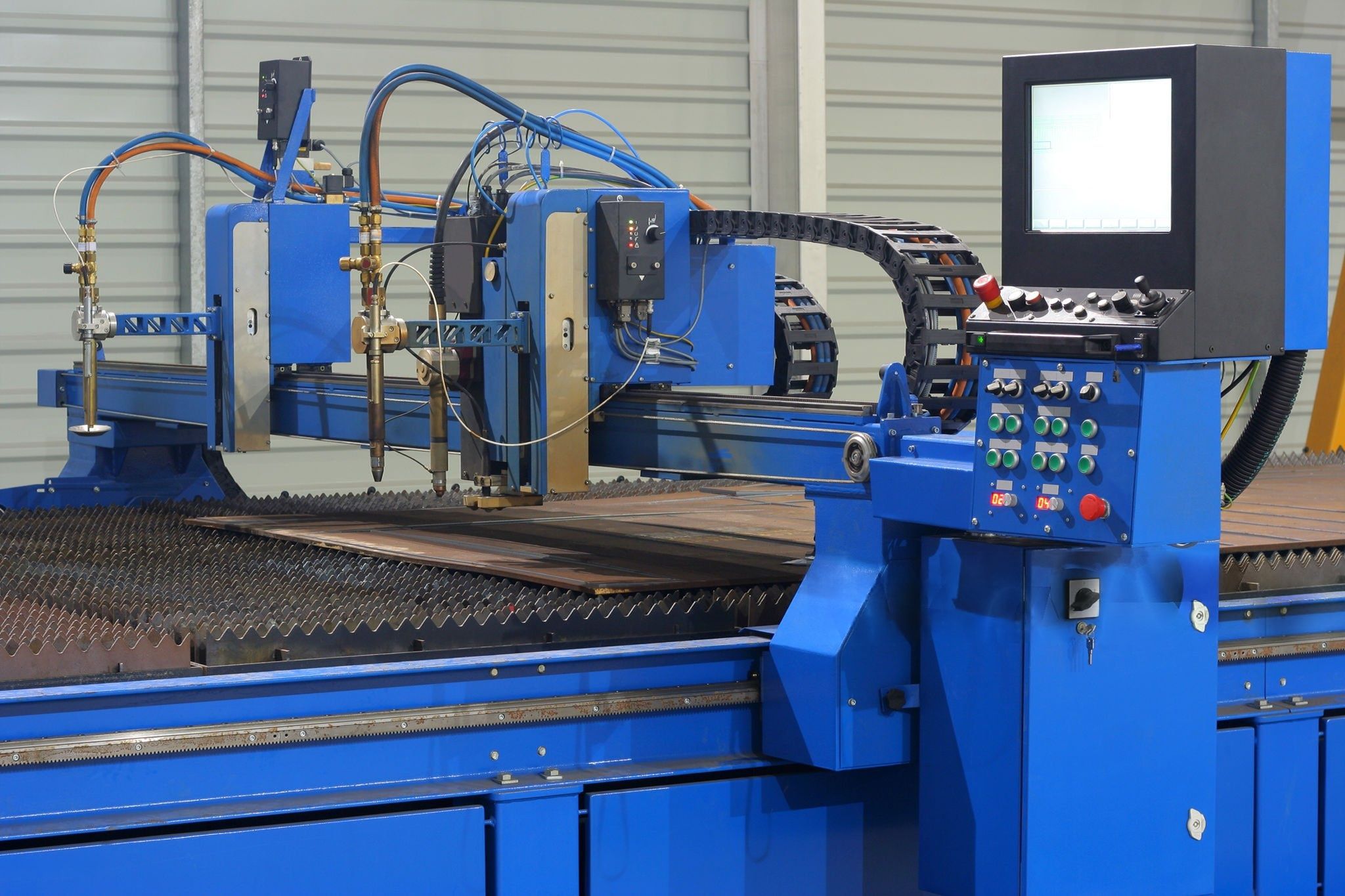
Industrial fabrication machines are systems used to shape, cut, join, and finish materials—primarily metals—into usable components and structures.
These machines form the backbone of manufacturing environments where raw materials such as steel, aluminum, and alloys are transformed into parts for construction, transportation, energy, and consumer goods.
The concept of fabrication has evolved from manual metalworking techniques to highly advanced, computer-controlled systems. Today, industrial fabrication machines include a wide range of tools such as cutting machines, welding units, bending equipment, and automated sheet metal fabrication systems. These machines help industries produce consistent and precise components at scale.
Modern metal fabrication machines are often integrated with software and automation technologies. This allows operators to manage complex designs, reduce manual errors, and improve overall efficiency. Fabrication machinery manufacturers continue to refine these systems to meet changing industrial needs and production demands.
Importance
Industrial fabrication machines play a central role in many industries that shape everyday life. From bridges and buildings to vehicles and appliances, fabricated metal components are found in nearly every physical structure or product.
These machines address several real-world challenges. First, they improve production efficiency by reducing manual labor and increasing output consistency. Second, they enhance precision, which is essential for industries such as aerospace and automotive manufacturing where accuracy is critical. Third, they help reduce material waste by optimizing cutting and shaping processes.
Industries that rely on fabrication machines for industry include:
- Construction: Steel fabrication equipment for factories is used to create beams, frames, and structural supports.
- Automotive: Industrial metal fabrication equipment helps produce chassis, panels, and engine components.
- Energy: Heavy duty fabrication machines are used in the creation of pipelines, turbines, and infrastructure.
- Electronics: Sheet metal fabrication machines produce enclosures and structural parts for devices.
For everyday consumers, the impact is indirect but significant. Reliable infrastructure, durable products, and safe transportation systems all depend on efficient fabrication processes.
Recent Updates
Recent developments in industrial fabrication machines reflect broader trends in automation, sustainability, and digital integration. Automated fabrication machines are becoming more common, reducing reliance on manual intervention while improving consistency.
One key trend is the integration of smart technologies. Many fabrication machines now use sensors and data systems to monitor performance, detect errors, and optimize workflows. This shift supports predictive maintenance, which helps prevent unexpected downtime.
Another important development is the use of energy-efficient systems. Manufacturers are designing machines that consume less power and produce less waste, aligning with environmental standards and sustainability goals.
Advanced software integration is also shaping the industry. Automated sheet metal fabrication systems can now interpret digital designs directly, allowing for faster transitions from concept to production. This reduces delays and improves design accuracy.
Robotics is increasingly used in industrial welding and fabrication systems. Robotic arms can perform repetitive tasks such as welding and cutting with high precision, especially in large-scale production environments.
Laws or Policies
Industrial fabrication machines are influenced by various regulations that focus on safety, environmental protection, and operational standards. These rules ensure that machines are used responsibly and do not pose risks to workers or the environment.
In many countries, workplace safety regulations require proper training, machine guarding, and protective equipment. These rules are often enforced by occupational safety authorities and apply to all industrial metal fabrication equipment.
Environmental policies also play a role. Fabrication processes can produce emissions, noise, and waste materials. Regulations often require industries to manage these outputs through filtration systems, recycling practices, and controlled disposal methods.
Standards organizations develop technical guidelines for fabrication machines for industry. These guidelines cover machine design, performance, and safety features. Compliance helps ensure that machines operate reliably and meet industry expectations.
In regions with advanced manufacturing sectors, governments may also support modernization efforts. This includes encouraging the adoption of automated fabrication machines and digital systems to improve productivity and competitiveness.
Tools and Resources
Several tools and resources help individuals and organizations understand and work with industrial fabrication machines more effectively. These tools support design, planning, and machine operation.
Commonly used resources include:
- Design software tools such as CAD (Computer-Aided Design), which allow users to create detailed models for fabrication.
- CAM (Computer-Aided Manufacturing) systems that convert design files into machine instructions for automated fabrication machines.
- Simulation tools that test fabrication processes virtually before actual production begins.
- Industry standards documentation that provides guidelines for machine operation and safety.
- Educational platforms offering training on fabrication machinery and industrial welding and fabrication systems.
Below is a simple table outlining types of fabrication machines and their typical uses:
| Machine Type | Primary Function | Common Industry Use |
|---|---|---|
| Cutting Machines | Slice metal into shapes | Construction, automotive |
| Bending Machines | Shape metal into angles/forms | Sheet metal production |
| Welding Systems | Join metal parts | Infrastructure, manufacturing |
| CNC Machines | Automated precision machining | Aerospace, electronics |
| Laser Fabrication Systems | High-precision cutting/engraving | Industrial design, engineering |
| Robotic Fabrication Systems | Automated repetitive tasks | Mass production environments |
These tools and machines work together to form a complete fabrication ecosystem.
FAQs
What are industrial fabrication machines used for?
Industrial fabrication machines are used to cut, shape, and assemble materials such as metal into finished components. They are widely used in manufacturing, construction, and engineering industries.
How do metal fabrication machines improve efficiency?
Metal fabrication machines improve efficiency by automating repetitive tasks, reducing errors, and increasing production speed. Advanced systems also optimize material usage, which helps minimize waste.
What types of sheet metal fabrication machines are commonly used?
Sheet metal fabrication machines include cutting machines, bending machines, and punching systems. Automated sheet metal fabrication systems can handle multiple processes with minimal manual input.
What is the role of automated fabrication machines in modern industry?
Automated fabrication machines play a key role in improving consistency and precision. They allow industries to produce complex components with reduced manual involvement and better quality control.
Are industrial welding and fabrication systems safe to use?
Industrial welding and fabrication systems are designed with safety features such as protective enclosures and monitoring systems. Proper training and adherence to safety guidelines are essential for safe operation.
Conclusion
Industrial fabrication machines are essential tools that support modern manufacturing and infrastructure development. They enable precise, efficient, and scalable production across multiple industries. Advances in automation, digital integration, and sustainability continue to shape how these machines operate. Understanding their functions and applications helps clarify their importance in everyday life. As industries evolve, fabrication systems remain a key part of industrial progress.