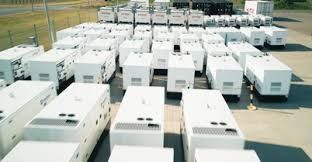
Industrial generator rental refers to the short-term or project-based use of large power generation equipment to supply electricity when grid power is unavailable, unreliable, or insufficient. These systems are commonly used during planned maintenance, construction projects, emergency outages, and large-scale events where continuous electricity is essential.
The concept of industrial generator rental exists because many organizations require dependable power only for limited periods. Installing permanent systems is not always practical for temporary operations. As a result, temporary power solutions provide flexibility, scalability, and rapid deployment across different environments.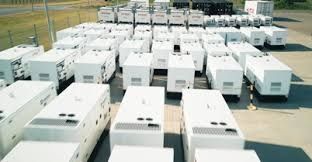
Modern industries rely on uninterrupted power for production lines, safety systems, data infrastructure, and critical operations. Temporary power solutions help bridge gaps during transitions, expansions, or unexpected disruptions, ensuring continuity without long-term infrastructure changes.
Importance: Why Temporary Power Solutions Matter Across Industries
Temporary power plays a vital role in maintaining operational stability. Industrial generator rental affects a broad range of stakeholders, including facility managers, construction planners, manufacturing teams, utilities, and event coordinators.
Key reasons this topic matters include:
-
Operational continuity: Backup power generators help prevent production downtime during outages.
-
Project flexibility: Temporary power solutions support short-term projects without permanent electrical installations.
-
Risk management: Emergency power generators provide essential electricity during grid failures.
-
Infrastructure support: Portable industrial generators enable power access in remote or developing locations.
-
Scalable deployment: Generator systems can be matched to changing load requirements.
Industries such as manufacturing, construction, healthcare infrastructure, telecommunications, logistics, and energy rely on temporary power solutions to maintain stability during planned and unplanned interruptions.
Without reliable short-term power options, many industrial processes would face operational delays, safety concerns, and logistical challenges.
Recent Updates: Evolving Trends in Industrial Power Generation
Recent developments in industrial generator rental focus on efficiency, monitoring, and environmental performance rather than basic mechanical upgrades.
Key trends observed in recent periods include:
-
Hybrid power configurations: Combining generators with battery systems to improve fuel efficiency.
-
Remote monitoring capabilities: Digital dashboards now allow operators to track performance metrics in real time.
-
Improved emissions control: Modern units emphasize cleaner combustion and reduced environmental impact.
-
Load-matching technologies: Advanced controllers adjust output based on actual demand.
-
Compact high-output designs: Smaller footprints with higher power density simplify deployment.
These updates reflect broader industrial shifts toward smarter infrastructure and optimized energy usage. As a result, backup power generators are becoming more adaptable to complex operating environments.
Laws or Policies: Regulatory Considerations for Temporary Power Systems
Industrial generators operate under regulatory frameworks related to safety, emissions, and electrical standards. While requirements vary by region, several common policy areas influence deployment.
Typical regulatory considerations include:
-
Environmental compliance rules: Limits on emissions and noise levels in industrial zones.
-
Electrical safety standards: Guidelines for grounding, cabling, and load management.
-
Fuel handling regulations: Requirements for storage and transportation of diesel or gas.
-
Workplace safety frameworks: Rules covering equipment placement and operational safeguards.
-
Local permitting processes: Authorization for operating portable industrial generators at temporary sites.
Understanding these policies is essential when planning temporary power solutions, ensuring equipment use aligns with environmental and safety expectations.
Tools and Resources: Planning and Managing Temporary Power Effectively
Several practical tools and reference resources support the planning and operation of industrial generator rental setups. These resources help organizations estimate power needs and monitor performance.
Commonly used tools and materials include:
-
Load calculation worksheets for estimating required generator capacity
-
Power planning templates to map equipment demand across sites
-
Remote monitoring platforms for tracking generator health and runtime
-
Fuel consumption estimators for forecasting operational duration
-
Electrical standards documentation outlining safe connection practices
These tools help engineers and facility planners design reliable temporary power solutions and reduce operational uncertainty.
Common Generator Configurations Used in Industrial Settings
Different generator configurations are selected depending on application size, duration, and environment.
| Generator Type | Typical Application | Key Characteristic |
|---|---|---|
| Portable industrial generators | Small sites or mobile projects | Easy relocation |
| Containerized generators | Construction and infrastructure | Weather-protected |
| High-capacity diesel generators | Manufacturing facilities | Continuous output |
| Gas-powered generators | Urban or regulated areas | Lower emissions |
| Hybrid generator systems | Variable load environments | Improved efficiency |
Choosing the right configuration depends on load requirements, operating conditions, and project timelines.
FAQs
What is industrial generator rental used for?
Industrial generator rental is used to provide temporary electricity during outages, maintenance activities, construction projects, and other short-term power needs.
How are temporary power solutions sized?
Sizing is based on total electrical load, startup requirements of equipment, and safety margins to ensure stable operation.
What industries rely on backup power generators?
Manufacturing, construction, logistics, healthcare infrastructure, telecommunications, and utilities frequently depend on backup power generators.
Are portable industrial generators suitable for large projects?
Portable industrial generators can support medium-scale projects, while larger sites typically require containerized or high-capacity units.
How is generator performance monitored?
Modern systems often include digital monitoring tools that track fuel usage, output levels, and operating status.
Conclusion: The Role of Temporary Power in Industrial Operations
Industrial generator rental provides a practical way to maintain power continuity across diverse industrial environments. From supporting infrastructure projects to ensuring stability during grid interruptions, temporary power solutions enable organizations to operate with confidence during transitional periods.
As technology advances, generators are becoming more efficient, easier to monitor, and better aligned with environmental standards. Understanding generator configurations, regulatory considerations, and planning tools helps organizations integrate backup power generators into broader operational strategies. In an increasingly power-dependent world, temporary energy systems remain an essential component of industrial resilience.