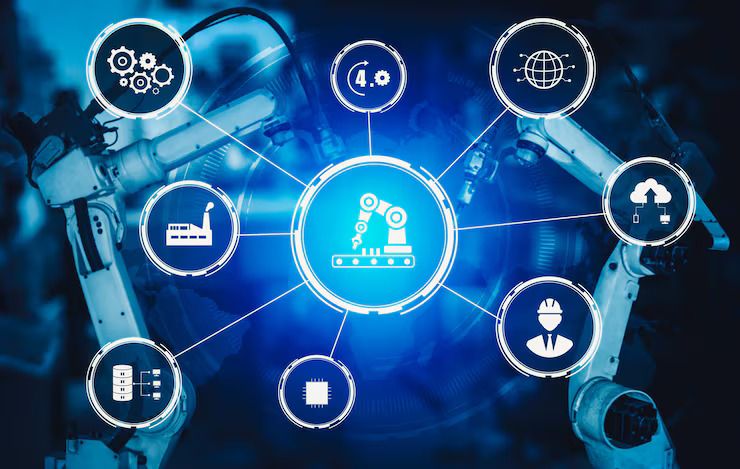
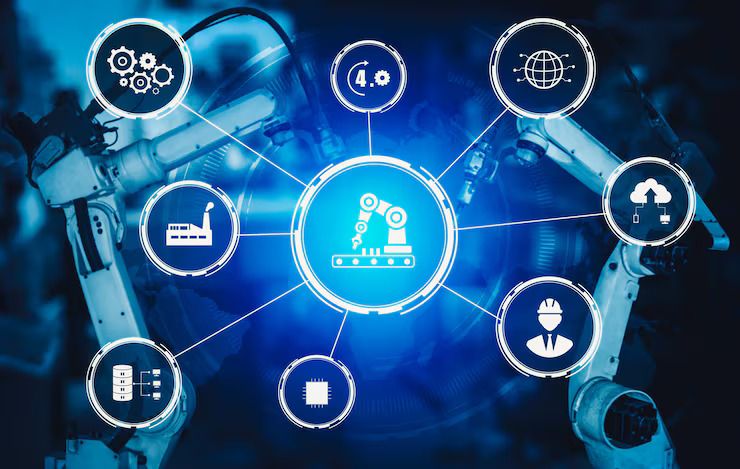
Industrial IoT ecosystems combine hardware and software elements.
IoT Sensors
These devices collect data such as vibration, temperature, humidity, and pressure from machinery.
Edge Computing Solutions
Edge devices process data locally before sending selected information to cloud IoT platforms. This reduces latency and bandwidth usage.
Cloud IoT Platforms
Cloud-based systems store, analyze, and visualize industrial data. They integrate with enterprise systems and dashboards.
SCADA Systems
Supervisory Control and Data Acquisition systems provide centralized control and monitoring of industrial processes.
Industrial Cybersecurity Tools
Protect connected assets from unauthorized access and cyber threats.
Industrial IoT Architecture Table
| Layer | Function | Example Use Case |
|---|
| Device Layer | Sensors and actuators collect data | Machine vibration monitoring |
| Edge Layer | Local data processing | Real-time anomaly detection |
| Connectivity Layer | Secure data transmission | Ethernet, 5G, LoRaWAN |
| Cloud Platform Layer | Data storage and analytics | Predictive maintenance dashboard |
| Application Layer | Visualization and reporting | Smart factory KPI tracking |
Recent Updates
Industrial IoT continues to evolve rapidly. Over the past year (2025–2026), several developments have influenced the sector:
-
Increased integration of artificial intelligence within predictive maintenance software
-
Expansion of 5G networks supporting low-latency industrial connectivity
-
Greater adoption of digital twin technology for manufacturing simulations
-
Strengthened industrial cybersecurity regulations following global cyber incidents
In 2025, multiple global manufacturers announced expansion of AI-driven analytics platforms to enhance smart factory performance. Industrial organizations also increased investment in zero-trust cybersecurity architectures.
Sustainability initiatives have further accelerated the deployment of IoT-based energy monitoring tools. Companies are using connected sensors to track carbon emissions and optimize resource utilization.
Laws or Policies
Industrial IoT is affected by various national and international regulations.
In the United States, cybersecurity standards and infrastructure protection guidelines influence industrial network design. Agencies such as the National Institute of Standards and Technology provide cybersecurity frameworks relevant to connected systems.
In the European Union, data protection laws such as the General Data Protection Regulation (GDPR) apply when Industrial IoT systems process personal data. The European Commission supports digital transformation and cybersecurity strategies across member states.
In India, digital manufacturing initiatives align with national programs like Digital India. Standards oversight is guided by the Bureau of Indian Standards, which influences equipment certification and compliance.
Key regulatory themes include:
-
Data security and privacy
-
Critical infrastructure protection
-
Industrial safety standards
-
Secure communication protocols
Organizations implementing Industrial IoT must ensure compliance with relevant industry-specific rules and cybersecurity frameworks.
Tools and Resources
Industrial IoT implementation often involves a combination of hardware platforms, analytics tools, and educational resources.
Cloud and Platform Resources
-
Microsoft Azure – IoT hub and industrial analytics tools
-
Amazon Web Services – IoT Core and data processing capabilities
-
Siemens – Industrial automation and digital twin solutions
Standards and Frameworks
Planning and Evaluation Tools
-
ROI calculators for predictive maintenance
-
Network security assessment templates
-
Asset lifecycle management software
-
Industrial data visualization dashboards
These tools assist in evaluating infrastructure readiness, cybersecurity posture, and performance metrics.
Implementation Considerations
Organizations evaluating Industrial IoT adoption often assess:
-
Network reliability and latency
-
Cybersecurity preparedness
-
Data governance policies
-
Integration with legacy industrial automation systems
-
Scalability of cloud IoT platforms
A structured approach helps minimize operational disruption while modernizing infrastructure.
FAQs
What is the difference between IoT and Industrial IoT?
IoT typically refers to consumer devices, while Industrial IoT focuses on industrial automation systems, predictive maintenance, and large-scale operational monitoring.
How does predictive maintenance software work?
It analyzes sensor data using analytics or AI models to identify patterns that indicate potential equipment failure.
Is Industrial IoT secure?
Security depends on implementation. Industrial cybersecurity tools, encrypted communication, and zero-trust architectures help reduce risks.
What industries use Industrial IoT the most?
Manufacturing, energy, transportation, utilities, and logistics are leading adopters.
Does Industrial IoT require cloud computing?
Many implementations use cloud IoT platforms, but some rely on hybrid or edge computing solutions depending on latency and data requirements.
Conclusion
Industrial IoT represents a significant advancement in industrial automation systems and digital transformation strategies. By connecting IoT sensors, leveraging edge computing solutions, and utilizing cloud IoT platforms, organizations gain real-time operational visibility.
Recent advancements in artificial intelligence, cybersecurity frameworks, and digital twin technology continue to shape the evolution of smart factory technology. Regulatory standards and compliance requirements ensure secure and responsible deployment.
Understanding the tools, architecture, and policy landscape helps industries evaluate Industrial IoT adoption effectively. As connectivity and analytics technologies mature, Industrial IoT remains central to modern industrial infrastructure development.