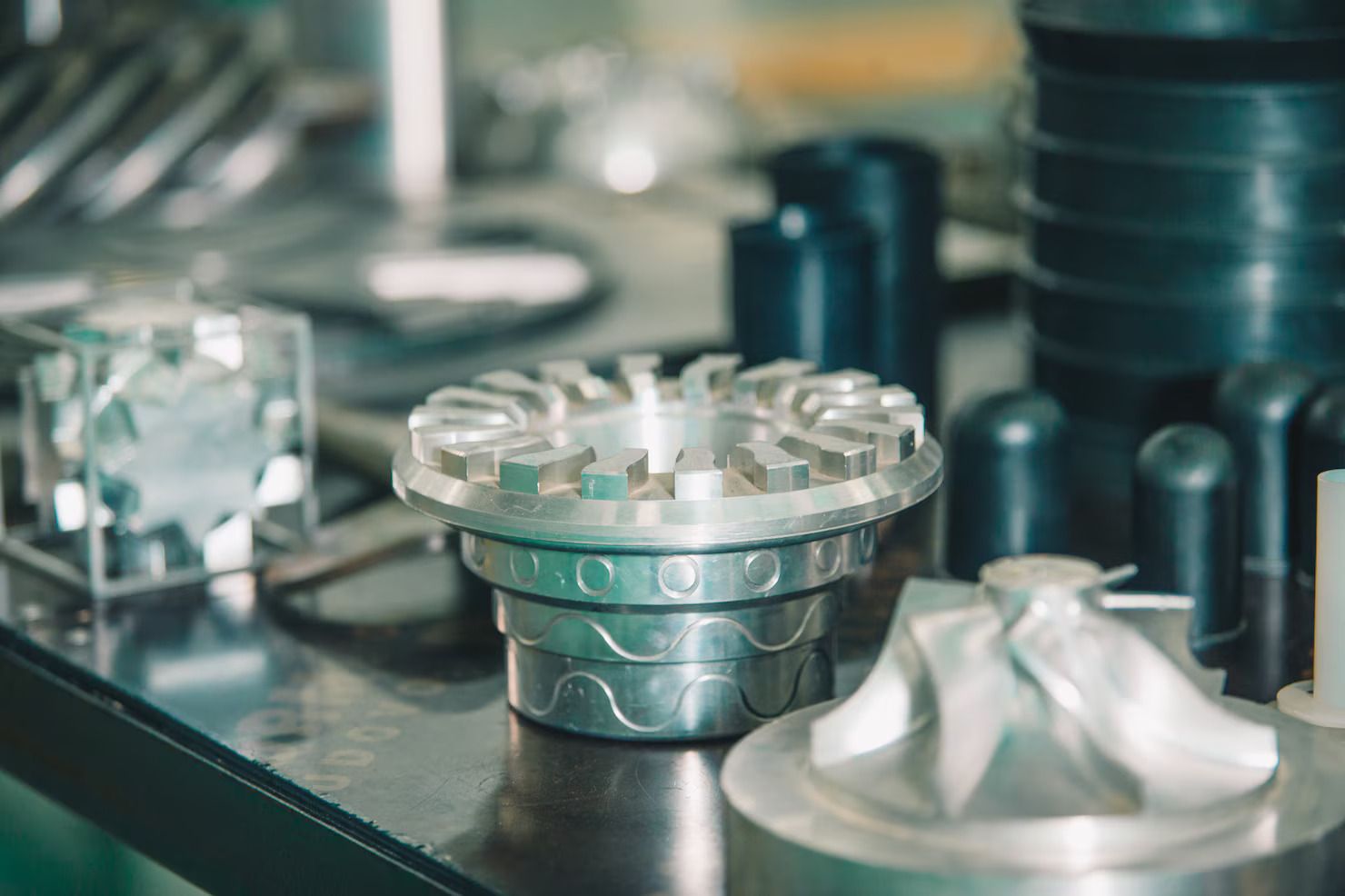
Industrial machine components are the individual mechanical, electrical, or structural parts that combine to form complex industrial machines. These components work together to perform tasks such as manufacturing, processing materials, assembling products, and operating automated systems in factories.
Modern industries depend on machines that can operate with precision, efficiency, and reliability. Each machine is built from a combination of components including gears, bearings, shafts, motors, controllers, sensors, and fasteners. These elements allow machines to move, transmit power, measure data, and maintain stable operation.
Industrial machines are commonly used in sectors such as:
- Automotive manufacturing
- Food processing
- Electronics production
- Construction equipment
- Pharmaceutical manufacturing
- Textile and packaging industries
Without properly designed machine components, industrial equipment would not function effectively. Every part plays a specific role in maintaining mechanical stability, transferring energy, and ensuring accurate performance.
Why Industrial Machine Components Matter in Modern Manufacturing
Industrial machine components are essential because they support the operation of automated production systems. As manufacturing processes become more advanced, machines require high-precision parts to maintain productivity and reliability.
Key reasons these components are important today include:
• Operational efficiency – Well-designed components reduce energy loss and improve mechanical performance.
• Industrial automation – Sensors, actuators, and control systems allow machines to operate automatically.
• Equipment durability – High-quality parts increase machine lifespan and reduce downtime.
• Production accuracy – Precision components maintain consistent product quality.
• Safety improvements – Proper machine design prevents mechanical failure and workplace hazards.
Industries that rely heavily on machine components include aerospace engineering, robotics, semiconductor manufacturing, heavy engineering, and renewable energy systems.
The increasing use of automated factories and digital manufacturing platforms means that components must meet strict performance standards. Modern machines often combine mechanical parts with electronics and smart control systems.
Recent Developments in Industrial Machine Technology
Industrial engineering has seen several technological advancements in the past year. Manufacturing systems are becoming smarter, more efficient, and more integrated with digital technologies.
Important trends from 2024–2025 include:
• AI-based predictive maintenance (2024) – Artificial intelligence systems analyze machine data to predict component wear before failure occurs.
• Smart sensors in industrial equipment (2024) – Sensors provide real-time monitoring of temperature, vibration, and pressure.
• Advanced materials adoption (2025) – Composite materials and advanced alloys are improving durability and reducing machine weight.
• Industry 4.0 integration (2024) – Machines are connected through industrial networks and cloud platforms for monitoring and analytics.
• Energy-efficient machine design (2025) – Manufacturers are focusing on reducing energy consumption in industrial equipment.
These developments are transforming traditional mechanical systems into intelligent production platforms capable of optimizing performance automatically.
Common Types of Industrial Machine Components
Different types of components are used depending on the function of the machine. Some transmit power, while others control motion or support structural stability.
| Component Type | Primary Function | Typical Use |
|---|---|---|
| Bearings | Reduce friction between moving parts | Motors, turbines |
| Gears | Transfer mechanical power | Gearboxes, conveyors |
| Shafts | Transmit rotational motion | Engines, pumps |
| Couplings | Connect rotating shafts | Industrial drives |
| Fasteners | Hold machine structures together | Assembly systems |
| Sensors | Monitor machine conditions | Automation systems |
| Actuators | Convert energy into motion | Robotics |
These components work together in a coordinated system that allows machines to perform complex tasks efficiently.
Basic Structure of an Industrial Machine System
Industrial machines generally follow a structured architecture composed of several functional layers.
| System Layer | Purpose |
|---|---|
| Mechanical Layer | Provides structural support and motion |
| Power Transmission | Transfers mechanical energy |
| Control System | Regulates machine operation |
| Sensor Layer | Collects operational data |
| Safety System | Prevents mechanical hazards |
This layered approach ensures machines operate safely and efficiently while allowing engineers to diagnose issues quickly.
Regulations and Industrial Policies Affecting Machine Components
Industrial machinery must comply with safety and manufacturing regulations set by national and international standards organizations. These rules ensure machines operate safely and maintain engineering quality.
Common regulatory frameworks include:
• ISO industrial standards for machine safety and component reliability
• Workplace safety regulations governing machinery operation
• Environmental efficiency standards for energy-consuming equipment
• Industrial equipment certification requirements
• Government manufacturing programs supporting automation
In many countries, including India, industrial development policies encourage modernization of manufacturing systems through programs supporting digital manufacturing and advanced production technologies.
Compliance with safety regulations ensures machines protect workers while maintaining stable production processes.
Helpful Tools and Resources for Understanding Machine Components
Engineers and students often use digital tools and technical platforms to analyze machine components and industrial systems.
Useful resources include:
Engineering Design Tools
- Computer-aided design (CAD) software
- Mechanical simulation platforms
- Industrial system modeling tools
Industrial Data Platforms
- Machine monitoring dashboards
- Predictive maintenance analytics tools
- Industrial IoT platforms
Learning Resources
- Engineering textbooks and industrial manuals
- Mechanical design reference databases
- Manufacturing research publications
Technical Websites
- Engineering education portals
- Mechanical design libraries
- Industrial technology knowledge bases
These resources help engineers design, analyze, and optimize machine components for different industrial applications.
Industrial Machine Performance Example
The performance of industrial machines often depends on component quality and design precision.
| Factor | Effect on Machine Performance |
|---|---|
| Component material quality | Increases durability |
| Precision engineering | Improves mechanical accuracy |
| Lubrication systems | Reduces friction and wear |
| Sensor integration | Enables condition monitoring |
| Maintenance strategy | Extends equipment lifespan |
Better component design directly improves manufacturing productivity and operational efficiency.
Frequently Asked Questions
What are industrial machine components?
Industrial machine components are mechanical and electronic parts used to build machines that perform manufacturing and industrial tasks.
Which components are most common in industrial machinery?
Common components include bearings, gears, shafts, motors, couplings, sensors, and control systems.
How do machine components improve manufacturing efficiency?
They enable accurate motion, efficient power transmission, and automated control systems that improve productivity.
What industries depend on machine components the most?
Automotive manufacturing, robotics, aerospace engineering, electronics production, and construction equipment industries rely heavily on these components.
Why are sensors becoming important in industrial machines?
Sensors allow real-time monitoring of machine conditions such as temperature, vibration, and pressure, helping prevent equipment failure.
Conclusion
Industrial machine components form the foundation of modern manufacturing systems. These mechanical and electronic parts allow machines to perform complex tasks with precision, efficiency, and reliability. From simple fasteners to advanced sensors and control units, each component contributes to the performance of industrial equipment.
Recent technological advancements such as predictive maintenance systems, smart sensors, and Industry 4.0 integration are transforming traditional machines into intelligent production platforms. At the same time, safety regulations and industrial standards ensure that machines operate securely and meet engineering requirements.
As industries continue to adopt automation and digital manufacturing technologies, the importance of high-quality machine components will continue to grow. Understanding how these parts work together helps engineers, students, and industry professionals better appreciate the systems that power modern production environments.